What is a Stepper Gearbox and How Does It Work?
A Stepper Gearbox is an essential component in various industries. It converts motor rotation into precise, controlled motion. Dr. Emily Hartman, a leading expert in mechanical engineering, states, "Stepper Gearboxes enhance precision in automated systems." This gearbox allows systems to achieve accuracy that is critical in robotics and CNC machines.
The design of a Stepper Gearbox helps in achieving high torque while maintaining smooth operation. Its mechanism involves stepping motors that move in discrete steps. This ensures that every move is deliberate and can be finely tuned. However, many overlook the complexities involved in selecting the right stepper gear configuration for specific applications.
Understanding a Stepper Gearbox's functionality is crucial for engineers and designers. It requires both theoretical knowledge and hands-on experience. Many professionals face challenges, such as optimizing performance for different loads. Reflecting on these factors leads to better designs and more effective implementations in various industries.
What is a Stepper Gearbox?
A stepper gearbox is a type of mechanical device that allows precise control of motion. It translates rotational input into controlled output, making it ideal for applications requiring high precision. These gearboxes are widely used in robotics, CNC machines, and various automation processes. The functioning mechanism generally involves a series of gears, which enhance torque while reducing speed. According to industry reports, the demand for stepper gearboxes has increased by 12% annually, indicating their growing importance in technology.
Choosing the right stepper gearbox can be challenging. It's vital to understand your application's torque requirements and speed range. Not all stepper gearboxes are created equal. Some may not deliver the expected performance under load. Consider conducting tests to evaluate real-world performance.
Tip: Regular maintenance can prolong the life of stepper gearboxes. Clean all components and check for wear regularly.
Additionally, an uneven load may cause unexpected results. You may experience jittering or loss of steps if the gearbox is overwhelmed. Always ensure alignment during installation to minimize these issues. Proper alignment can prevent early wear and tear, which is often overlooked.
Key Components of a Stepper Gearbox
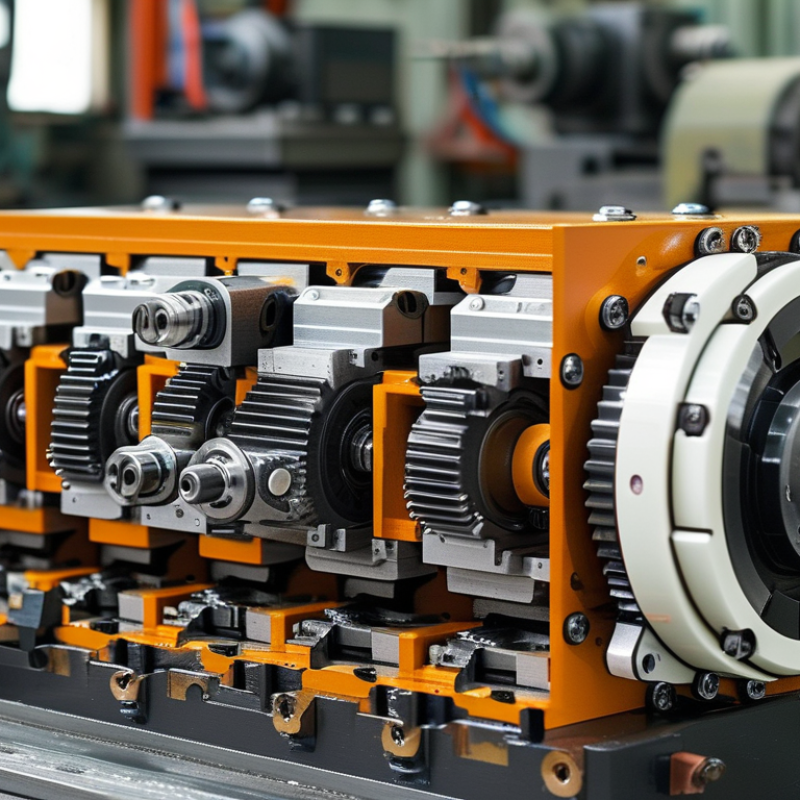
A stepper gearbox plays a crucial role in precision mechanics. Its key components determine how effectively it functions. The core of a stepper gearbox includes gears, a motor, and control electronics. Gears come in pairs, meshing smoothly to transfer motion. They reduce speed while increasing torque, essential for ensuring high performance in various applications.
The motor receives signals from control electronics. This interaction translates electrical signals into precise mechanical movements. The design of the gearbox allows for discrete steps in rotation. These steps enable exact positioning. However, achieving the desired precision can be challenging. Manufacturers must consider load capacity and step resolution carefully.
Another important aspect is the material used in construction. Quality materials can enhance durability but may add to costs. Regular maintenance of these components is also necessary. Wear and tear can affect the gearbox's accuracy over time. Addressing these factors is vital for optimal performance. The balance between cost, durability, and precision often requires deep reflection from engineers and designers.
How Stepper Gearboxes Operate Mechanically
Stepper gearboxes play an essential role in various mechanical systems. They provide precise control over rotational movements. This precision is crucial in applications like robotics and CNC machinery. A well-designed stepper gearbox allows the motor to achieve specific angles and speeds effectively.
Mechanically, a stepper gearbox operates using a series of gears and a worm drive. The worm drive converts rotational motion from the motor into linear motion at the output. According to industry reports, stepper gearboxes can achieve reduction ratios of up to 100:1. This means the output shaft can turn much slower than the input shaft, increasing torque. Such setups enable better performance in heavy-load scenarios.
The design also incorporates various materials for durability and efficiency. Common materials include steel and aluminum. Understanding these mechanics can help engineers choose the right gearbox for their needs. With advancements, some systems still face challenges with backlash and wear over time. Continuous improvement is necessary to mitigate these issues in future designs.
What is a Stepper Gearbox and How Does It Work? - How Stepper Gearboxes Operate Mechanically
| Dimension |
Value |
Unit |
| Gear Ratio |
1:5 |
- |
| Maximum Torque |
5.0 |
Nm |
| Step Angle |
1.8 |
Degrees |
| Input Voltage |
24 |
V |
| Operating Temperature |
-20 to 50 |
°C |
| Weight |
1.2 |
kg |
| Efficiency |
90 |
% |
Applications of Stepper Gearboxes in Industry
Stepper gearboxes play a crucial role in various industrial applications. They are widely used in robotics, CNC machines, and aerospace. These gearboxes provide precise control over motion, enabling accurate positioning. In industries where accuracy is paramount, stepper gearboxes excel. They convert electrical pulses into mechanical movement. This conversion allows machines to move in steps, ensuring precise operations.
In manufacturing, stepper gearboxes are integral to automation. They help in conveyor systems, ensuring products move systematically. This application minimizes errors and enhances productivity. Additionally, in automotive applications, these gearboxes control window lifters and seat adjustments. They require strong torque and precise control, and stepper gearboxes deliver efficiently.
Tips: Choose a stepper gearbox that matches your application needs. Assess torque requirements and load stability. Regular maintenance can enhance performance and longevity. Be mindful, as customization options may introduce complexities. Simplifying your design can sometimes yield better results. Knowing when to seek expert advice can save time and resources.
Advantages of Using Stepper Gearboxes in Machinery
Stepper gearboxes are essential components in modern machinery. They help convert rotational motion into precise movement. This mechanism allows for accurate positioning and control, making them ideal for applications where precision is crucial.
One notable advantage of stepper gearboxes is their ability to provide high torque at low speeds. This feature is essential for heavy machinery that requires power without sacrificing control. Additionally, stepper gearboxes have a simple design. This simplicity often leads to lower production and maintenance costs. Their reliability in function also enhances overall machinery performance.
However, there are challenges. Stepper gearboxes may produce noise during operation. This can be bothersome in quiet environments. Moreover, if not correctly sized, they might not deliver the expected performance. It's important for engineers to evaluate their specific needs. In the end, recognizing these pros and cons can lead to more informed decisions when integrating stepper gearboxes into machinery.
Advantages of Stepper Gearboxes in Machinery