Choosing the right reduction gearbox is crucial for optimal performance in various industrial applications. According to a recent report by the International Gearbox Market Research Group, the global reduction gearbox market is expected to grow at a CAGR of 5.3% by 2028. This growth highlights the increasing demand for efficient power transmission systems. Selecting the correct reduction gearbox requires not only knowledge of specific needs but also an understanding of different designs and their efficiencies.
Reduction gearboxes play a vital role in enhancing the torque delivered by motors. Improper selections can lead to significant inefficiencies and even equipment failures. Statistical data shows that nearly 30% of operational downtime in manufacturing can be traced back to gearbox failures. Therefore, ensuring that you choose a reliable reduction gearbox is essential. Consider factors such as load requirements, operating conditions, and maintenance needs. Each application presents unique challenges, which requires careful analysis and thoughtful decisions.
Ultimately, your choice of a reduction gearbox can influence overall productivity and equipment longevity. Understanding the key features and potential pitfalls can guide you toward making a more informed decision. Manufacturers often emphasize the importance of compatibility and durability in their specifications, yet it’s common for users to overlook these critical aspects. Engaging with knowledgeable suppliers can help mitigate risks and enhance results.
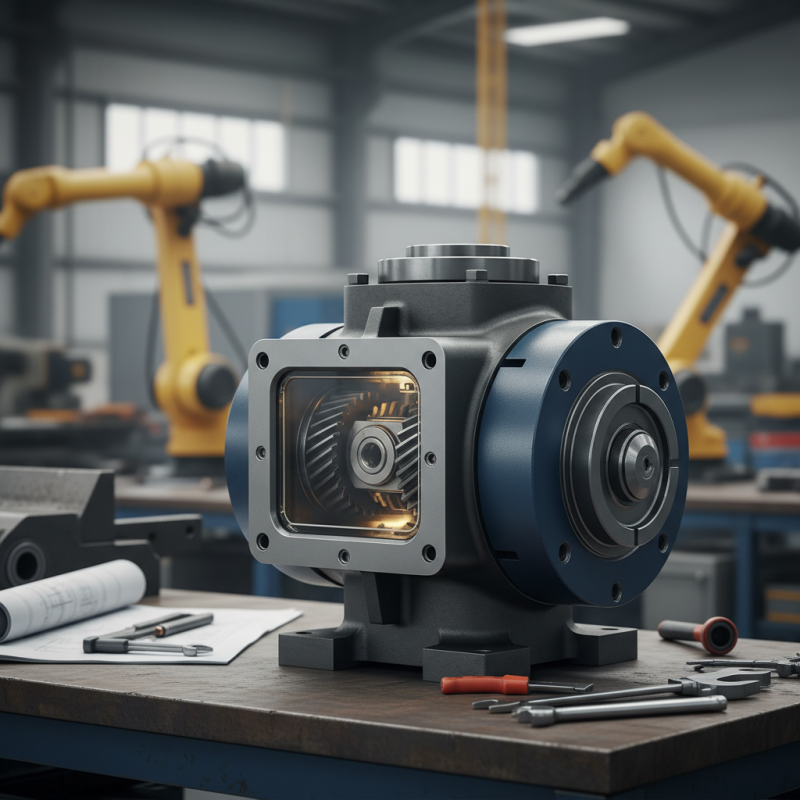
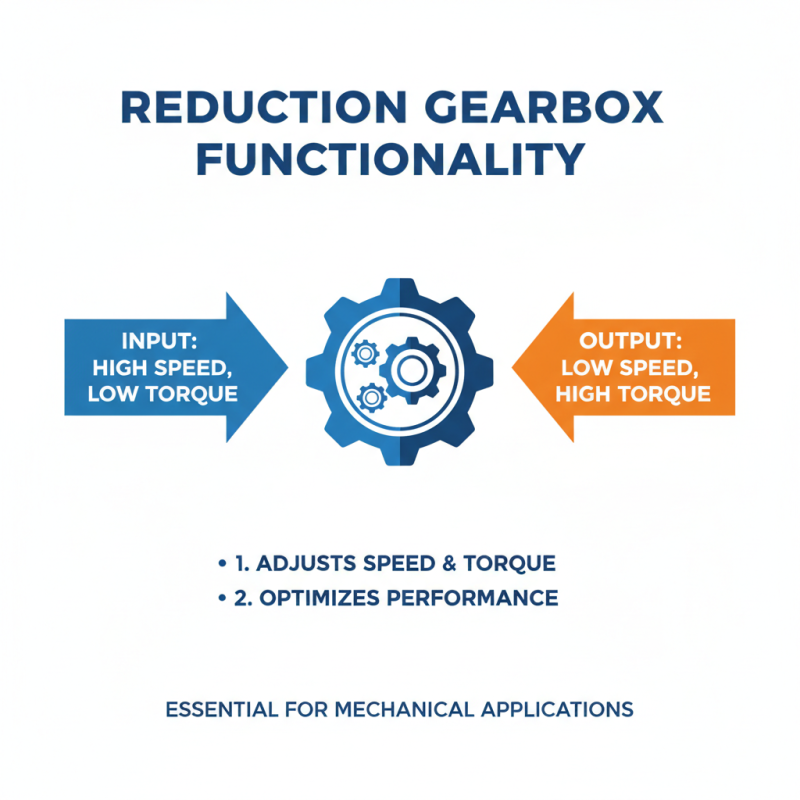
Reduction gearboxes play a critical role in various mechanical applications. They allow the adjustment of speed and torque, ensuring optimal performance. Understanding their functionality is essential when selecting the right unit for specific needs.
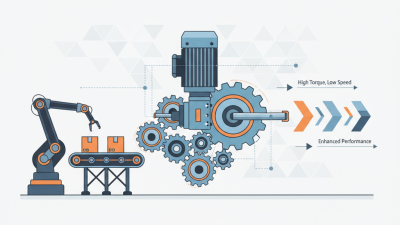
These gearboxes reduce the input speed from a motor. As the speed decreases, the output torque increases. This principle is vital in applications like cranes, conveyors, and robotics. A well-chosen gearbox enhances efficiency and control. However, selecting the wrong type can lead to mechanical failures and increased costs.
When choosing a reduction gearbox, consider factors like load, speed requirements, and space constraints. Not all products suit every situation. Some may even underperform, causing frustration. It's crucial to assess your application carefully. Thorough research and expert advice can guide you in the right direction. Remember that balance between speed and torque is key for long-term reliability.

Choosing the right reduction gearbox begins with evaluating load and torque requirements. Understanding your application’s demands is vital. Load refers to the weight the gearbox will support, while torque measures the rotational force needed to move that load. These factors can significantly impact efficiency and durability.
Consider the operational environment. Is it harsh or demanding? Operating conditions play a crucial role in the gearbox's performance. If your application involves high loads and frequent starts and stops, you will need a robust gearbox design. Analyze the peak and average loads carefully. Thermal effects and wear over time are also important; neglecting them may lead to premature failure.
Consult with experts if you’re unsure. They can provide insights tailored to your specific needs. Still, be aware that what works in theory may not always fit practical scenarios. Gathering feedback from real-world applications can help identify gaps or shortcomings in your initial evaluation. Ultimately, realizing that every application has unique challenges can lead to better decision-making.
When selecting a reduction gearbox, understanding the material and durability is crucial. Gearboxes made from high-quality materials can withstand heavy loads and prolonged use. Steel and aluminum are common choices, but the design is equally important. Consider how the gearbox will perform under various conditions. Will it face extreme temperatures or corrosive environments? These factors will influence your material choice.
Tip: Always check the manufacturer's specifications. They provide insights into the materials used, as well as performance ratings. Look for evidence of testing and certification. These indicators reflect the reliability and longevity of the gearbox.
Durability should be a top priority. A gearbox that might seem cost-effective now could lead to higher expenses later if it fails. Evaluate the gear teeth construction and lubrication systems. Some configurations can enhance durability significantly.
Tip: Seek expert advice if uncertain. Consulting with professionals can reveal critical nuances. They can guide you towards making an informed decision based on your specific requirements. Choosing the right gearbox isn't merely about cost; it’s about ensuring long-term efficiency and reliability.
| Tip | Description | Key Material Considerations | Durability Factors |
|---|---|---|---|
| 1. Define Load Requirements | Understand the application to determine the expected loads on the gearbox. | High-strength alloy steels for structural integrity. | Fatigue resistance and wear life under load. |
| 2. Evaluate Gearbox Ratio | Choose a ratio that fits the desired speed and torque requirements. | Materials that minimize heat during operations. | Thermal stability over prolonged use. |
| 3. Consider Mounting Options | Ensure the gearbox can be mounted appropriately for your design. | Corrosion-resistant materials for environmental protection. | Resistance to environmental factors (humidity, temperature). |
| 4. Inspect Gear Design | Choose the right gear tooth design for efficiency and longevity. | High-quality hardening or surface treatments. | Resistance to pitting and scuffing. |
| 5. Analyze Lubrication Needs | Determine appropriate lubrication types and intervals. | Materials compatible with the chosen lubricant. | Minimized friction and heat generation. |
| 6. Assess Noise Levels | Look for designs that minimize operational noise. | Vibration-dampening materials effective in noise reduction. | Durability of components subjected to vibrations. |
| 7. Review Maintenance Requirements | Select gearboxes that allow easy access for maintenance. | Durable seals and gaskets to prevent leaks. | Expected lifespan of moving parts and wear components. |
| 8. Verify Manufacturer Support | Check for availability of technical support and spare parts. | Proven track record in material quality. | Manufacturer's warranty and service history. |
| 9. Factor in Size and Weight | Select a gearbox that conforms to spatial constraints. | Lightweight materials versus strength trade-offs. | Durability under shifting weight loads. |
| 10. Research Market Options | Explore various manufacturers and models available. | Comparative analysis of materials used in different models. | Performance benchmarks and longevity reports. |
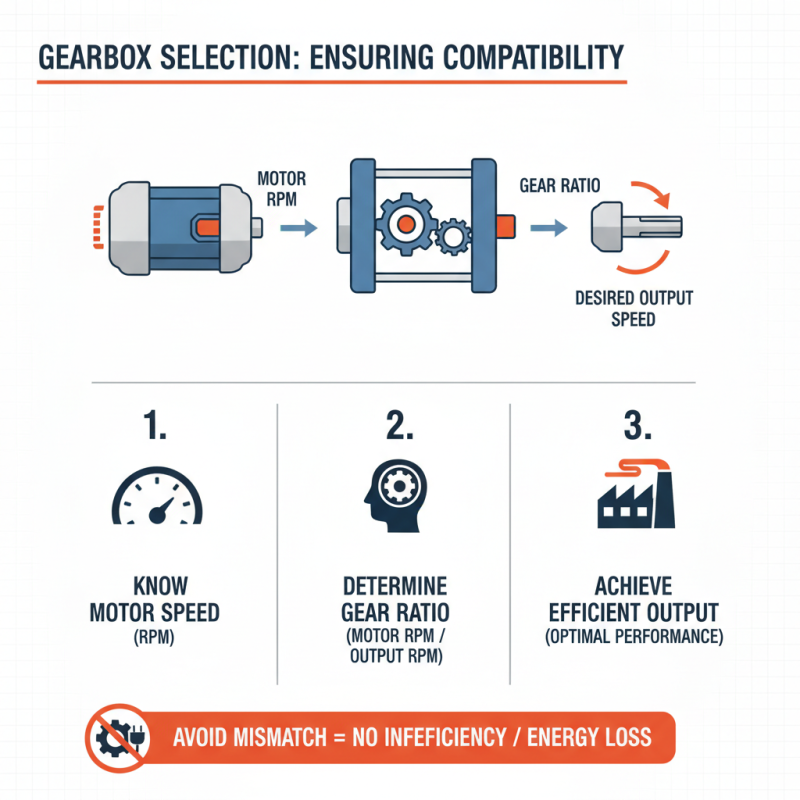
When selecting a reduction gearbox, motor speed compatibility is crucial. A mismatch can lead to inefficiency and increased energy consumption. It’s vital to know the motor’s RPM and the desired output speed. This knowledge helps you determine the correct gear ratio.
Consider the torque requirements as well. Higher loads demand higher torque. If the selected gearbox can't handle it, failures may occur. Check each component’s specifications. Often, manufacturers provide detailed performance curves, which can guide you in making informed choices.
Don’t overlook the mounting and alignment as well. Incompatibilities here may lead to vibrations and premature wear. Testing various configurations can reveal unexpected issues. While it may seem tedious, this step significantly influences the gearbox’s longevity and performance. A small oversight in alignment can result in major operational challenges.
When selecting a reduction gearbox, it’s critical to consider maintenance needs and repair access. Ease of access is often overlooked, yet it significantly impacts downtime. According to a recent industry report, 40% of maintenance delays stem from inadequate access to equipment. A gearbox that allows for easy inspection and replacement parts can save both time and cost.
Maintenance requirements vary widely across designs. Some gearboxes have complex components that are hard to reach. This complexity can lead to extended repair times and increased labor costs. Studies suggest that efficient maintenance can improve lifespan by up to 30%. Regular servicing combined with accessible components is essential for operational efficiency.
Selecting a gearbox with designed-in maintenance features can be beneficial. Simple tasks, like oil changes, need quick access points. Failure to account for this may lead to neglect. Many operators find themselves grappling with hard-to-reach areas. This can result in skipped maintenance schedules and degraded performance. Investing in a user-friendly design can mitigate these issues significantly.