Top 10 Benefits of Using a Reduction Gearbox for Industrial Applications?
In industrial settings, efficiency and power management are crucial. A Reduction Gearbox is a key component that promotes these goals. According to a report by Allied Market Research, the global gearbox market is projected to reach $32.23 billion by 2027, driven by the increasing demand for energy-efficient systems.
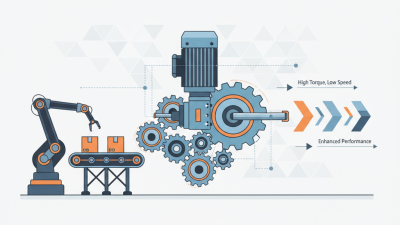
Reduction Gearboxes help reduce motor speed while increasing torque. This functionality is essential in various applications, from manufacturing to mining. For instance, they are vital in conveyors, mixers, and cranes where precision is paramount. Their ability to adapt to harsh conditions adds reliability.
Despite their advantages, not all Reduction Gearboxes perform equally. Choosing the right type relies on application requirements and operating conditions. Some users report challenges in integration, which can hinder performance. Thus, understanding these systems is crucial for maximizing their benefits and ensuring long-term effectiveness.
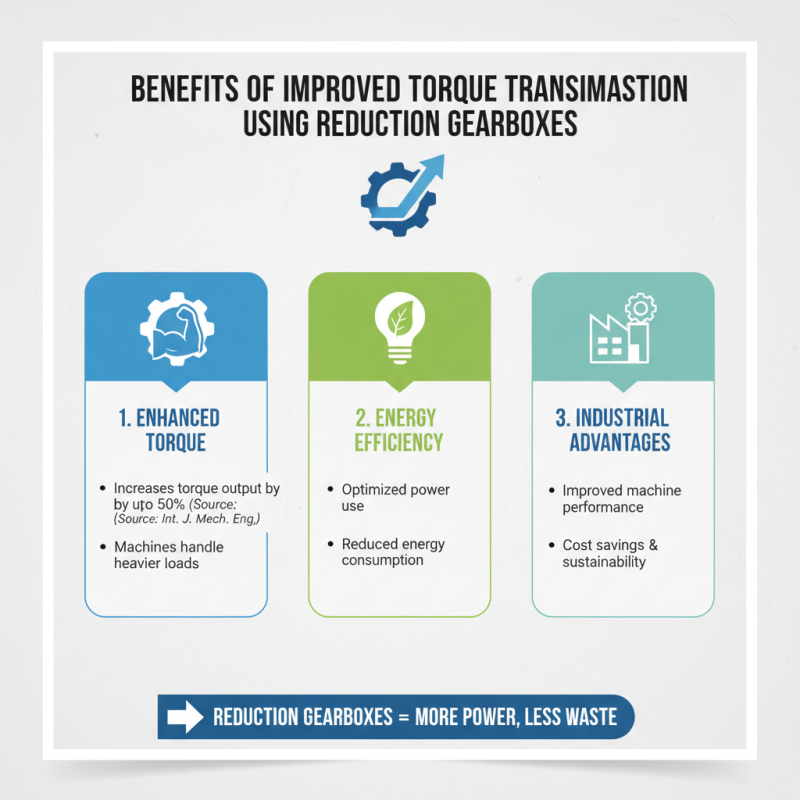
Benefits of Improved Torque Transmission Using Reduction Gearboxes
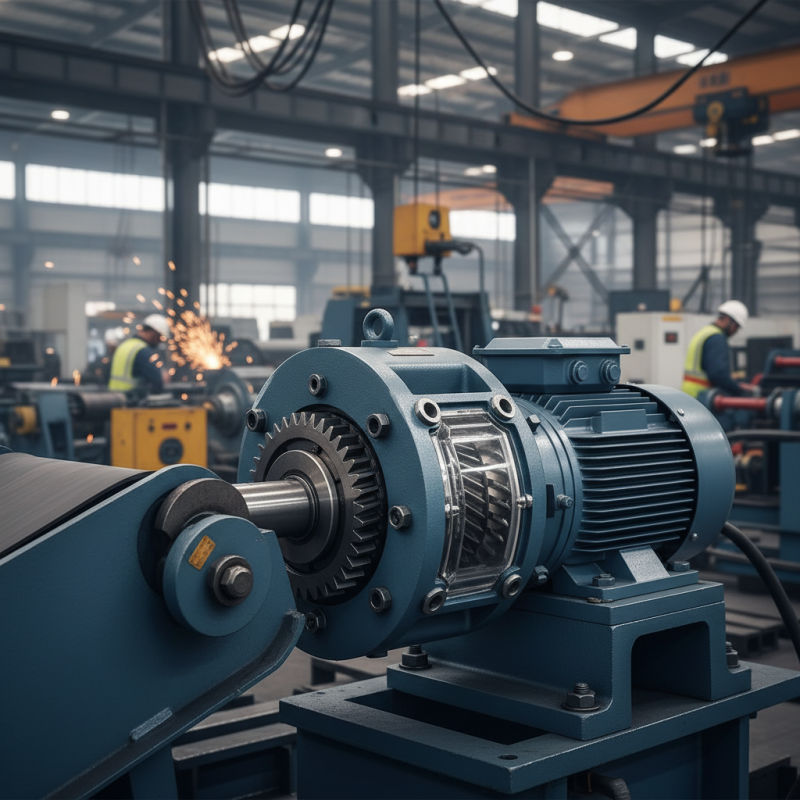
Reduction gearboxes play a crucial role in industrial settings. They enhance torque transmission, making energy use more efficient. For example, a study by the International Journal of Mechanical Engineering highlighted how using a reduction gearbox can increase torque by up to 50%. Higher torque means machines can handle heavier loads without additional energy consumption.
In terms of performance, reduction gearboxes help in maintaining stability. This stability reduces wear and tear on machinery. According to a report by the American Society of Mechanical Engineers, businesses observed a 30% increase in equipment lifespan due to reduced mechanical stress. However, not all applications may benefit equally. Some industries face challenges with maintenance, especially if gearbox specifications aren’t perfectly matched to their specific needs.
Maintenance also varies. While reduction gearboxes can be robust, they do require regular checks to avoid failure. The reliability of torque transmission is critical. A failure in a reduction gearbox can lead to significant downtime and repair costs. Organizations should weigh these factors carefully. Balancing efficiency gains with maintenance demands is essential for optimizing industrial processes.
Enhanced Operational Efficiency in Machinery with Reduction Gearboxes
Reduction gearboxes significantly improve operational efficiency in industrial machinery. They reduce the speed of motors while increasing torque. This transformation is crucial for applications requiring high power output with controlled speed.
According to a report by the International Journal of Advanced Manufacturing Technology, using reduction gearboxes can enhance system energy efficiency by up to 25%. Industries like manufacturing and logistics often rely on this technology. It allows equipment to maintain stability and precision under heavy loads. Operational consistency leads to higher productivity levels.
Despite these advantages, some users overlook maintenance requirements. Regular inspections and timely replacements are vital for optimal performance. Neglecting these aspects can lead to decreased efficiency and higher operational costs. This area needs careful consideration to fully harness the benefits of reduction gearboxes.
Reduction Gearboxes: Key to Energy Conservation in Industrial Processes
Reduction gearboxes play a crucial role in optimizing energy use within industrial processes. By converting high-speed input into lower speeds, they help machines operate more efficiently. This change reduces unnecessary energy consumption and decreases mechanical stress on equipment. For industries with heavy-duty machinery, this means less frequent maintenance and longer equipment life. The result is both cost savings and improved sustainability practices.
In many industrial settings, energy costs can represent a major portion of operational expenses. Using reduction gearboxes allows companies to fine-tune motor speeds without wasting power. This precise control improves torque output, which is essential for tasks requiring heavy loads. While the technology offers clear advantages, it is not always perfectly applied. Some installations still experience energy losses due to improper sizing or outdated designs. It urges engineers to continuously evaluate gearbox choices and upgrade when necessary to maximize energy benefits.
The adoption of reduction gearboxes signals a shift toward greener industrial operations. As energy efficiency standards tighten worldwide, these components become even more important. They act as a bridge between raw power and controlled motion, ensuring machines work smarter, not harder. Yet, there remains room for improvement in integrating these gearboxes with modern automation technologies. This ongoing development highlights the balance industries must strike between innovation and practical energy conservation.
Increased Longevity and Maintenance Reduction Through Gearbox Use
Using a reduction gearbox in industrial settings greatly enhances longevity and reduces maintenance needs. These gearboxes effectively manage speed and torque, allowing machinery to operate smoothly. This not only extends the life of your equipment but also minimizes unexpected downtime. A well-maintained gearbox can significantly reduce wear and tear, which is crucial for operational efficiency.
Tip: Regularly inspect your reduction gearbox for signs of wear. Look for unusual noises or vibrations that could indicate issues. Early detection can save time and costs in repairs.
The efficiency of a reduction gearbox is evident in its design. High-quality gears reduce friction, which translates to lower energy consumption. This impacts the longevity of the entire system. However, neglecting gearbox maintenance can lead to critical failures, so staying proactive is essential.
Tip: Implement a routine maintenance schedule. Check lubrication levels and replace oil as needed. Clean any debris that may accumulate to keep your gearbox running optimally.
Using a reduction gearbox is a thoughtful investment. While it offers numerous benefits, it requires responsibility and diligence to realize its full potential.
Versatility of Reduction Gearboxes Across Various Industrial Applications
Reduction gearboxes are versatile components widely utilized in various industrial applications. These gear systems efficiently convert high-speed motor rotation into lower speeds with increased torque. Industries like manufacturing and construction benefit significantly from this technology. For example, in conveyor systems, reduction gearboxes allow heavy loads to be moved smoothly and reliably, preventing operational delays.
Moreover, the adaptability of reduction gearboxes is evident across diverse settings. In robotics, they enhance precision in movement, crucial for assembling products. In the energy sector, they play a key role in wind turbines, where the gearbox ensures that the energy generated is effectively harnessed. However, the selection of the appropriate gearbox requires careful consideration. Factors like load conditions, desired speeds, and environmental factors must be assessed to achieve optimal performance.
Despite their benefits, there are challenges. Maintenance can be a burden, requiring regular checks to avoid failures. If not properly maintained, gearboxes may wear down, leading to costly downtimes. Operators must be vigilant and proactive in their approach. Understanding the specific needs of each application can lead to better outcomes. Engaging with experienced professionals may provide insights that can prevent common pitfalls.
Top 10 Benefits of Using a Reduction Gearbox for Industrial Applications
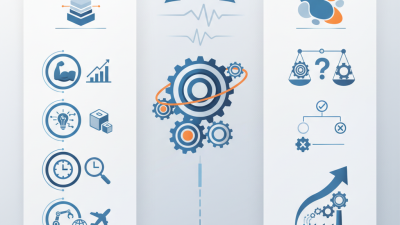
The following chart illustrates the top benefits of reduction gearboxes in various industrial applications. These benefits are essential for improving operational efficiency and productivity across different sectors.