2026 Top Reduction Gearbox Innovations and Trends Are You Ready?
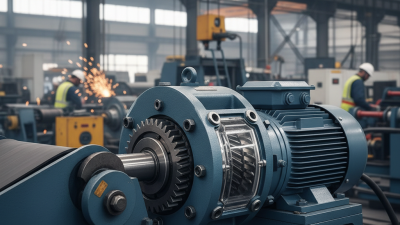
The reduction gearbox is at the forefront of mechanical innovation. As industries evolve, reducing size while increasing efficiency is crucial. In 2026, new trends will likely transform this essential component. Engineers are focusing on lightweight materials and advanced designs to enhance performance.
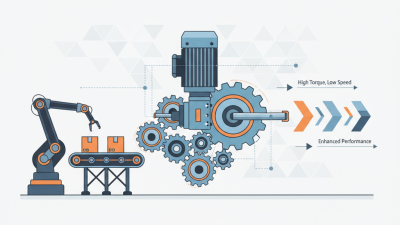
Emerging technologies promise higher torque and better reliability while optimizing energy consumption. These innovations can significantly influence various sectors, from automotive to renewable energy. However, some challenges remain. The balance between cost and quality is often debated. Manufacturers must consider how to implement these advancements without compromising safety.
As the market grows, staying informed is vital. Understanding the latest reduction gearbox trends can provide a competitive edge. Are industry professionals ready to embrace these changes? The next few years will reveal exciting possibilities, but preparedness is key.
2026 Gearbox Innovations: Key Trends Revolutionizing the Industry
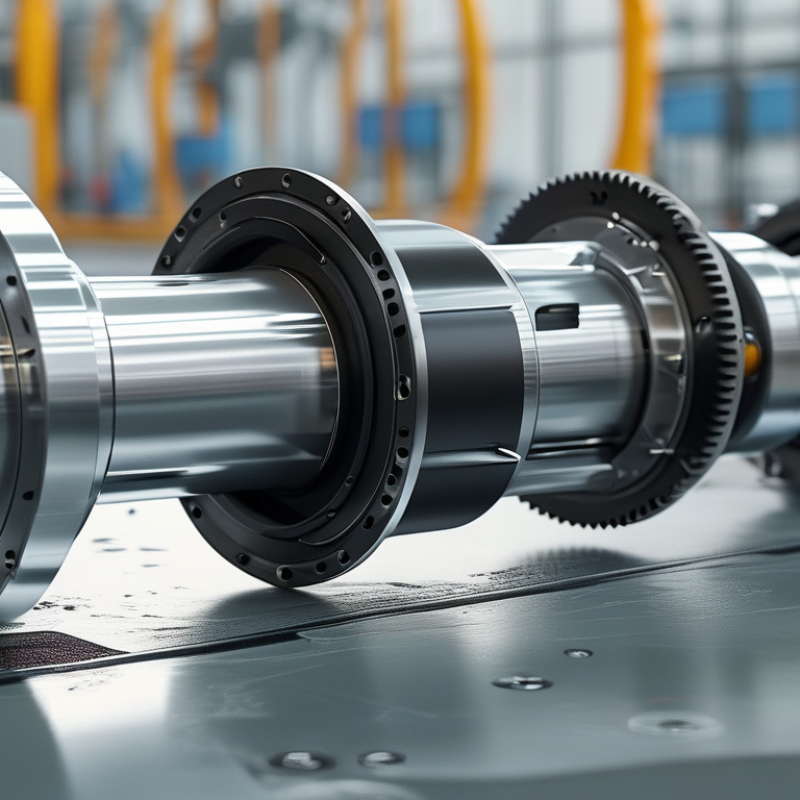
In 2026, the gearbox industry is witnessing significant changes driven by innovation. Recent studies indicate that the global gearbox market is projected to reach $36 billion by 2026. Innovations in materials and designs are leading this transformation. Lightweight materials not only reduce energy consumption but also enhance performance efficiency.
One noticeable trend is the integration of smart technology within gearboxes. This tech enables real-time monitoring and predictive maintenance. According to a report by Market Research Future, incorporating smart systems can decrease downtime by 20%. Users must adapt to this shift. Failing to embrace technology may lead to operational inefficiencies.
Tips: Consider investing in training programs. This prepares your team for upcoming challenges. Regularly evaluate your gearbox performance. Small issues can escalate into significant problems. Focus on continuous improvement to stay ahead in the competitive landscape. Observing the evolving trends can guide strategic planning, ensuring your operations align with industry standards.
Advancements in Materials: Lightweight Alloys and Composites in Gear Design
In the evolving landscape of gearbox design, the use of lightweight alloys and composites has emerged as a game-changer. According to a recent industry report from MarketsandMarkets, the global gears market is projected to reach $212 billion by 2026. This growth is driven by the increasing demand for efficiencies in performance and weight reduction in various applications, including automotive and aerospace.
Lightweight materials such as aluminum alloys and carbon fiber composites enable manufacturers to reduce the overall weight of gear systems significantly. Recent studies indicate that using these materials can lead to weight reductions of up to 30%. However, transitioning to new materials isn't without challenges. Issues related to cost, manufacturing processes, and material durability must be addressed. Many manufacturers are still hesitant due to the complex engineering required in adapting to these new materials.
Furthermore, research indicates a knowledge gap in the effective integration of composites into traditional designs. A 2023 survey by the Gear Research Institute found that only 25% of companies are fully utilizing advanced materials in their gearbox designs. This suggests that while the potential is enormous, many industry players need to enhance their understanding of these innovations. As manufacturers strategically navigate these hurdles, the future of gearbox innovations looks promising yet requires careful consideration of both material benefits and practical limitations.
Smart Gearbox Technologies: Integrating IoT for Enhanced Performance Monitoring
The integration of Internet of Things (IoT) technology in gearbox systems marks a significant shift in the industry. Smart gearboxes equipped with sensors can collect real-time data. This data provides insights into performance, efficiency, and potential failures. Monitoring conditions such as temperature, vibration, and load ensures systems operate at optimal levels.
These advancements enhance predictive maintenance capabilities. However, challenges remain. Not all gearboxes are designed for retrofitting IoT devices. There is a need for robust networks to support data transmission. Some companies face issues with data overload. Analyzing vast amounts of information can become unwieldy. It requires skilled professionals to interpret results accurately and make informed decisions.
Despite these hurdles, the benefits are undeniable. Smart gearboxes can significantly reduce downtime and maintenance costs. They enable engineers to make data-driven decisions. The trend toward smarter technologies is not merely a phase. It reflects a broader commitment to efficiency and innovation in mechanical systems. Embracing these technologies is vital for those wishing to stay competitive in 2026 and beyond.
2026 Top Reduction Gearbox Innovations and Trends
Sustainability in Gearbox Manufacturing: Reducing Environmental Impact
The gearbox manufacturing industry is shifting towards sustainability. According to a report by the International Energy Agency, manufacturing accounts for 20% of global carbon emissions. Therefore, reducing the environmental impact of gearbox production is vital. Companies are now focusing on eco-friendly materials and energy-efficient processes.
Recycling materials is one key trend. Research shows that using recycled metals can reduce energy consumption by up to 75%. This not only lowers emissions but also cuts costs. Many manufacturers are investing in innovative designs that minimize waste during production. For instance, modular designs allow for easier repairs and upgrades, extending product life cycles.
Collaboration within the industry is increasing. Companies share best practices to achieve sustainability goals. However, barriers remain, such as high initial costs for green technologies. Some manufacturers hesitate to adopt new practices due to uncertainty about return on investment. Balancing profitability with sustainability is a complex challenge. The path ahead is not purely clear, and ongoing reflection is necessary as the industry evolves.
2026 Top Reduction Gearbox Innovations and Trends Are You Ready? - Sustainability in Gearbox Manufacturing: Reducing Environmental Impact
| Innovation/Trend |
Description |
Impact on Sustainability |
Projected Adoption Rate by 2026 |
| Eco-Friendly Materials |
Use of biodegradable and recyclable materials in gearbox production. |
Reduces waste and the carbon footprint associated with material disposal. |
65% |
| Energy-Efficient Designs |
Optimized gearbox designs that minimize energy loss. |
Increases overall energy efficiency in machinery usage. |
75% |
| Smart Gearbox Technology |
Integration of IoT for real-time monitoring and efficiency improvements. |
Facilitates proactive maintenance, reducing waste and unnecessary replacements. |
55% |
| Modular Gearbox Systems |
Designs that allow for easy upgrades and repairs. |
Reduces the need for complete replacements, thereby minimizing resource use. |
70% |
| Revolutionized Lubrication Technologies |
Advanced lubricants that extend gearbox life and performance. |
Decreases environmental damage from lubrication spills and extends the lifespan of gearboxes. |
60% |
Future Market Projections: Growth Rate and Demand for Advanced Gear Systems
The future of advanced gear systems looks promising, with market projections indicating a steady growth rate. The demand for reduction gearboxes is expected to rise significantly as industries seek more efficient solutions. Factors driving this growth include technological advancements and increasing industrial automation. Companies are investing heavily in research and development, aiming to create innovative gear designs.
However, challenges remain. The complexity of integrating advanced gear systems into existing machinery poses significant hurdles. Many businesses struggle to adapt to the rapid pace of innovation. Additionally, cost considerations may hinder widespread adoption. While some manufacturers may excel in developing cutting-edge gearboxes, others may lag behind in updating their technology.
The focus on sustainability also influences market trends. Industries are increasingly looking for eco-friendly solutions. There’s pressure to reduce energy consumption and improve performance. Although progress is being made, there is still a long road ahead for many companies. The next few years will be critical for understanding and meeting these changing demands.