How to Choose the Right Brushless Gearbox for Your Needs?
Choosing the right Brushless Gearbox can be challenging. Many factors impact its performance and suitability. A Brushless Gearbox often provides efficiency, durability, and low maintenance. However, you must know your specific needs to make an informed decision.
It’s important to consider the application for which the gearbox is intended. Different industries have unique requirements. You might be tempted to pick the most advanced model. Yet, over-specifying can lead to higher costs and technical issues. Knowing your load, speed, and torque needs is essential.
Furthermore, quality matters. Reliable brands offer performance guarantees and customer support. Researching options will help you identify trustworthy manufacturers. Don't overlook user reviews. They provide real-world insights. You might find discrepancies in what works best. A careful evaluation will guide you to a suitable choice.
Understanding Brushless Gearbox Basics and Key Components
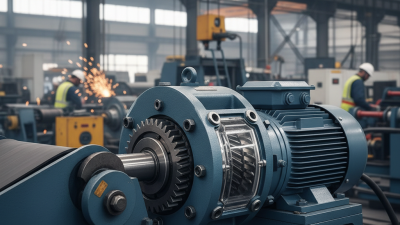
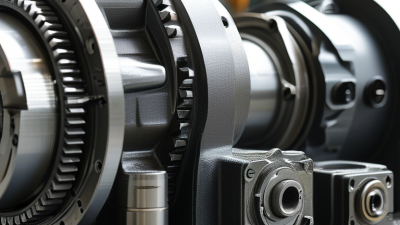
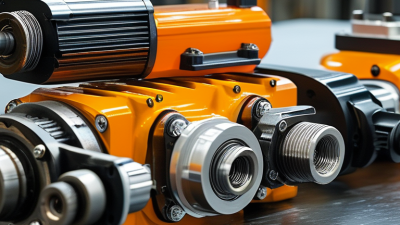
When selecting a brushless gearbox, understanding its key components is essential. A brushless gearbox typically consists of a brushless motor, a reduction gear mechanism, and an encoder. The brushless motor is efficient and has a longer lifespan compared to traditional motors. Its performance is smooth and less prone to overheating. The reduction gear mechanism converts high-speed rotation into higher torque, making it ideal for applications requiring more power.
The encoder provides feedback on the position and speed of the motor. This feature enhances control and precision in operations. Depending on your application, not all components may be necessary. Some users may prioritize efficiency, while others might focus on torque output. Choosing the right configuration will depend on specific needs and constraints.
Potential issues can arise during selection. For instance, underestimating torque requirements can lead to inadequate performance. Conversely, opting for an overly complex system may add unnecessary costs. It’s crucial to balance between functionality and budget. Evaluating your project's demands will help in making an informed choice. Remember, the perfect gearbox does not exist; each option carries trade-offs.
Evaluating Torque and Speed Requirements for Your Application
Choosing the right brushless gearbox hinges significantly on evaluating torque and speed requirements. Torque determines the amount of rotational force necessary for your application. If you underestimate torque, your system may fail to perform efficiently. Be mindful; too much torque can wear out components faster than expected.
Speed is equally crucial. The correct speed allows your device to operate smoothly. It’s essential to match the gearbox speed with your application's needs. A mismatch could lead to inadequate performance or even damage. Identifying your target speed range during the selection process is vital.
Consider conducting a feasibility analysis. This involves testing different gearboxes to find the one that fits perfectly. Always keep in mind operational conditions such as temperature effects, load variations, and potential for wear over time. Frequent adjustments may be necessary, so be prepared for ongoing evaluations.
Documentation is essential. Keep detailed notes on the specifications and performance of each gearbox you test. This will aid future decisions and reflect on lessons learned. Don't rush the process; the right choice today sets the foundation for your project's success tomorrow.
Torque and Speed Requirements for Brushless Gearboxes
This chart illustrates the torque and speed requirements for various applications using brushless gearboxes. Understanding these parameters is crucial for selecting the right gearbox to meet your specific needs.
Assessing Gearbox Efficiency and Power Output Ratings
When selecting a brushless gearbox, assessing efficiency and power output is critical. Efficiency directly influences performance. A brushless gearbox typically achieves an efficiency rating between 85% and 95%. For instance, a study by the International Electrotechnical Commission indicated that higher efficiency leads to reduced energy consumption, enhancing the overall lifespan of the motor.
Power output ratings reflect a gearbox's capacity to deliver force effectively. Standard power output ratings range from 100 watts to over 1,500 watts depending on design and materials. Reports suggest that performance varies based on load conditions and operating speeds. For example, a gearbox rated for high torque may not excel in high-speed scenarios, requiring careful evaluation based on specific operational needs.
Consider operation cycles when selecting a gearbox. Higher power output may lead to quicker wear and tear. Industry data indicates that regular maintenance can improve longevity, yet many overlook this aspect. The complexity of matching a gearbox's output with your application's demands requires careful assessment and, at times, trial and error. Flexibility in design choices can also improve compatibility and performance.
How to Choose the Right Brushless Gearbox for Your Needs? - Assessing Gearbox Efficiency and Power Output Ratings
| Gearbox Model |
Power Output (W) |
Efficiency (%) |
Torque Rating (Nm) |
Weight (kg) |
| Model A |
750 |
90 |
2.5 |
1.2 |
| Model B |
1000 |
85 |
3.0 |
1.5 |
| Model C |
1500 |
92 |
4.2 |
2.0 |
| Model D |
1200 |
88 |
3.8 |
1.8 |
Comparing Material Quality and Durability Standards in Gearboxes
When selecting a brushless gearbox, material quality and durability are crucial factors. Many applications require gearboxes that can withstand high stress. A report by the Gear and Cam Research Institute indicates that over 40% of gear failures result from material fatigue. This statistic highlights the importance of choosing components made from high-strength materials.
Different materials offer varying levels of durability. For instance, steel gearboxes often provide better strength compared to aluminum ones. However, they can be heavier. A study by the International Journal of Mechanical Sciences shows that titanium alloys offer a balance between weight and strength. These alloys can improve performance, especially in demanding environments.
Additionally, testing for quality compliance is essential. The American Gear Manufacturers Association sets standards for gear durability. Adhering to these standards can mitigate risks associated with premature failure. However, many manufacturers still fall short in their quality assessments. It's important to research manufacturers and understand their quality control processes. Not all gearboxes are created equal, and overlooking material quality can lead to costly replacements.
Identifying Compatible Motor Types and Control Methods for Optimal Use
When selecting a brushless gearbox, considering compatible motor types is crucial. Various motors require specific gearboxes to function optimally. For example, stepper motors often pair well with specific gear reductions for enhanced torque. In contrast, DC brushless motors may necessitate a different gearbox design. It's essential to understand these nuances to ensure effective performance.
Control methods also play a significant role in gearbox selection. Different systems, such as open-loop and closed-loop controls, impact how a gearbox operates with a motor. An open-loop control system might be simpler but less accurate, while a closed-loop system could allow for more precise movements. However, implementing a closed-loop system might require additional components, increasing overall complexity. Reflecting on your actual needs will help in choosing the correct setup.
Over time, you may find that your initial choices don't always meet your evolving requirements. Regular assessments of your motor and gearbox compatibility can guide upgrades or changes. Monitoring performance helps identify areas for improvement. Embracing this iterative process is vital for achieving optimal results in your projects.