Why Choose a Brushless Gearbox for Your Project Needs?
In today's competitive landscape, choosing the right components for your project is crucial. One component that has gained significant attention is the Brushless Gearbox. This technology offers enhanced efficiency and performance compared to traditional gear systems. Engineers and designers often seek reliable solutions that can improve overall project outcomes.
The Brushless Gearbox stands out due to its low maintenance requirements and increased longevity. Unlike conventional gearboxes, it operates without brushes, reducing friction and heat generation. This results in a quieter, smoother operation, which is essential for many applications. However, it's important to acknowledge that this technology can be more expensive upfront. The initial investment might make some hesitate.
Despite its higher cost, the benefits of a Brushless Gearbox often outweigh the drawbacks. Its innovative design allows for more precise control in various settings, from robotics to automotive applications. For projects with specific needs, a Brushless Gearbox can be the key to achieving desired results, even if it requires careful consideration and planning.
Understanding Brushless Gearboxes: Definition and Functionality
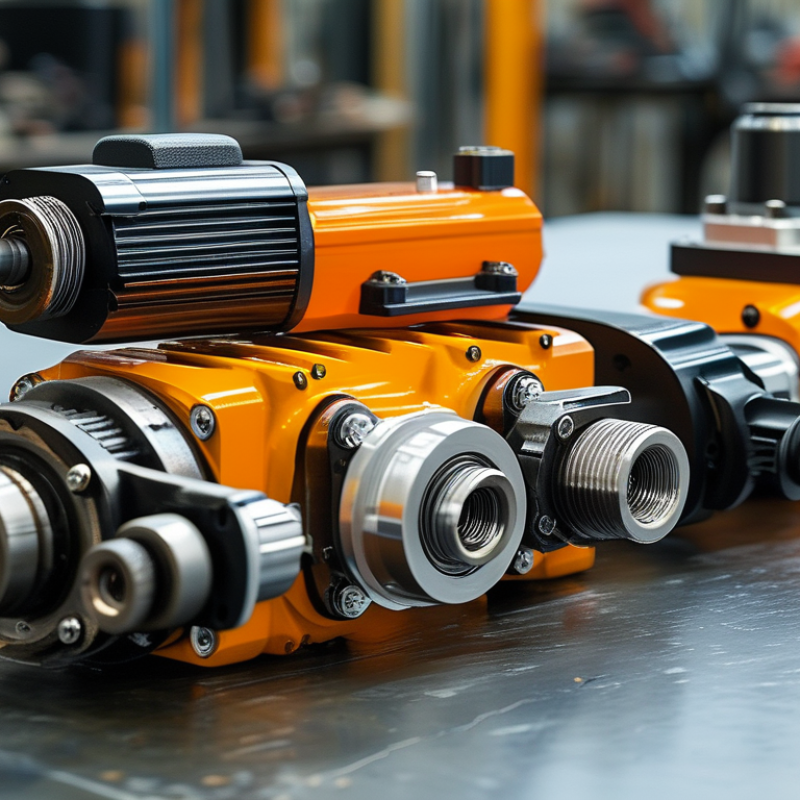
Brushless gearboxes are becoming essential in various projects. These devices differ from traditional gearboxes by eliminating brushes. This change significantly enhances efficiency and reduces maintenance needs.
The functionality of brushless gearboxes lies in their design. They utilize permanent magnets in the rotor, which makes them more reliable. This setup allows for smoother operation and precise control. Users can expect less wear over time, although some may find the initial cost higher. Performance varies based on the application, so understanding these nuances is important.
Using brushless gearboxes can be a significant advantage. They offer improved energy efficiency, which can lower operational costs. However, they may not suit all projects. Analyzing your specific needs is crucial. Reflecting on the trade-offs helps ensure the right choice for your project.
Key Advantages of Brushless Gearboxes Over Traditional Options
Brushless gearboxes are gaining popularity for various projects. They offer significant benefits compared to traditional gearboxes. One of the main advantages is efficiency. Brushless gearboxes operate with less friction. This decreases energy loss and leads to better performance, especially in high-demand applications.
Another key benefit is durability. Brushless designs have fewer moving parts, reducing wear and tear. This often translates to a longer lifespan. Users might find themselves replacing traditional gearboxes far more often. A brushless gearbox can save costs over time due to its reliability.
Noise reduction is another important factor. Brushless systems tend to operate more quietly. This feature is critical in settings where noise pollution is a concern. Engineers need to weigh these benefits against any potential drawbacks, such as initial investment costs or complexity. Understanding your project's specific needs will help you make an informed decision.
Applications of Brushless Gearboxes in Various Industries
Brushless gearboxes have found their place in various industries due to their efficiency and reliability. In the automotive sector, these gearboxes help improve vehicle performance. They reduce fuel consumption while enhancing the torque delivery. This technology also supports electric vehicles, enabling smoother acceleration and greater energy efficiency.
In manufacturing, brushless gearboxes drive precision machinery. They provide precise positioning capabilities, ideal for robotic applications. Many companies rely on them for automation tasks. However, some manufacturers face challenges in integrating this technology. Training staff to operate and maintain these systems can be difficult.
Tip: When selecting a brushless gearbox, consider the specific requirements of your application. Assess the torque and speed needed for optimal performance. Understanding these parameters will lead to better decision-making.
The aerospace industry benefits significantly from brushless gearboxes. Their lightweight design helps improve fuel efficiency in aircraft. Engineers continuously seek improvements to reduce weight without sacrificing performance. As innovations develop, challenges persist in maintaining reliability under extreme conditions.
Tip: Evaluate the environmental conditions your gearbox will endure. Understanding these factors will aid in choosing the right components. Testing under various conditions can save time and resources in the long run.
Factors to Consider When Choosing a Brushless Gearbox
When selecting a brushless gearbox, several factors come into play.
Efficiency is crucial. Brushless gearboxes often have higher efficiency rates than traditional options, minimizing energy loss.
This efficiency can significantly impact your project's overall performance, particularly in battery-powered applications.
Torque and power output are also vital considerations. You’ll need to match these specifications with your project requirements.
Not all applications demand high torque, but inadequate power can lead to subpar results. Testing various gearbox options can illuminate what works best for your specific needs.
Tip: Assess the environmental conditions where the gearbox will operate.
High temperatures or moisture can affect performance. Also, consider the gearbox's longevity in relation to your project's timeline.
Frequent replacements can increase costs and project delays.
Lastly, the
installation process shouldn't be overlooked. Some gearboxes require more complex setups than others.
Analyze your team's expertise and resources before making a decision. A gearbox that is hard to install may slow down your project significantly.
Having a clear plan for installation can mitigate these challenges.
Maintenance and Longevity of Brushless Gearbox Systems
Brushless gearboxes stand out for their low maintenance requirements. Unlike traditional systems, they have fewer moving parts. This results in reduced wear and tear. Users often find that these systems require less frequent servicing. This factor significantly lowers operational costs over time.
The longevity of brushless gearbox systems is another critical benefit. They often endure harsher operating conditions than their counterparts. This durability is essential for projects that demand reliability. Many users report longer service life and better performance consistency. However, not all brushless gearboxes are created equal. Some may still encounter issues if improperly installed or mismatched with other components.
Brushless systems do have their challenges. They can be sensitive to heat and humidity. Regular monitoring is necessary to ensure optimal performance. User experience can vary based on specific applications. Reflecting on these factors helps in making informed decisions. Ultimately, the longevity and maintenance benefits can outweigh the drawbacks if managed well.
Why Choose a Brushless Gearbox for Your Project Needs?
This chart illustrates the performance aspects of brushless gearboxes, showcasing their maintenance frequency, longevity, efficiency, and noise level. Brushless gearboxes are designed to require less maintenance, have a longer lifespan, and operate with higher efficiency and lower noise compared to traditional gearboxes.