Top 10 Best Motor Reducers for Efficient Performance and Reliability?
When it comes to optimizing industrial performance, motor reducers play a crucial role. These devices effectively transform motor speed and torque, enhancing efficiency in various applications. Selecting the right motor reducer is essential for improving reliability and performance. The market is flooded with options, but not all motor reducers deliver the promised results. Each brand claims superiority, making the choice overwhelming.
In this article, we explore the top 10 motor reducers tailored for exceptional performance and reliability. Our selection is based on thorough research and expert insights. Each motor reducer featured has demonstrated superior performance in real-world applications. Consider factors such as load capacity and energy efficiency when making your choice.
Choosing a motor reducer involves weighing multiple factors. It is not just about price or brand reputation. The best motor reducer for one application may not suit another. By reflecting on your specific needs and reviewing our top picks, you can make a more informed decision. Efficiency is key in today's competitive landscape, and the right motor reducer can make all the difference.
Overview of Motor Reducers and Their Importance in Industry
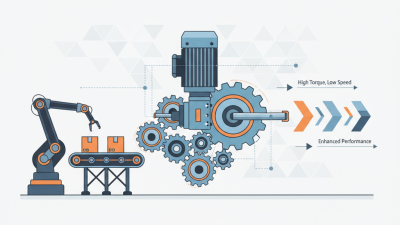
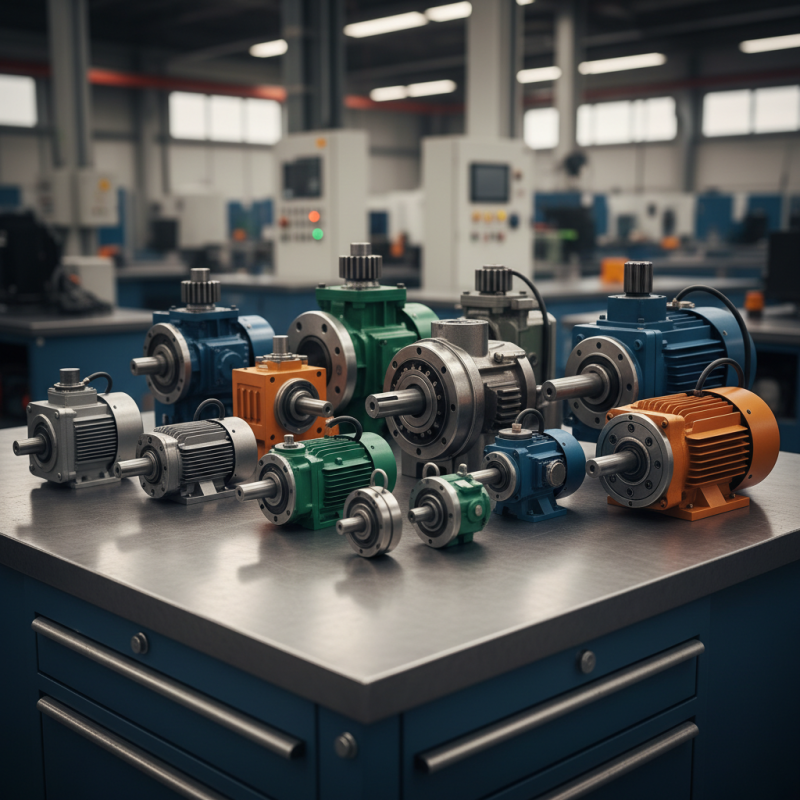
Motor reducers play a crucial role in various industrial applications. By converting high-speed input into low-speed output, they enhance torque and improve efficiency. According to a report by MarketsandMarkets, the global market for motor reducers is expected to reach $13.5 billion by 2025, reflecting their increasing demand in sectors like robotics and automation.
The importance of reliability in motor reducers cannot be overstated. Faulty reducers can lead to machinery breakdowns, affecting productivity. A study from the American Society of Mechanical Engineers suggests that up to 30% of maintenance costs in manufacturing can be attributed to motor failures. This underscores the need for high-quality motor reducers that ensure consistent performance.
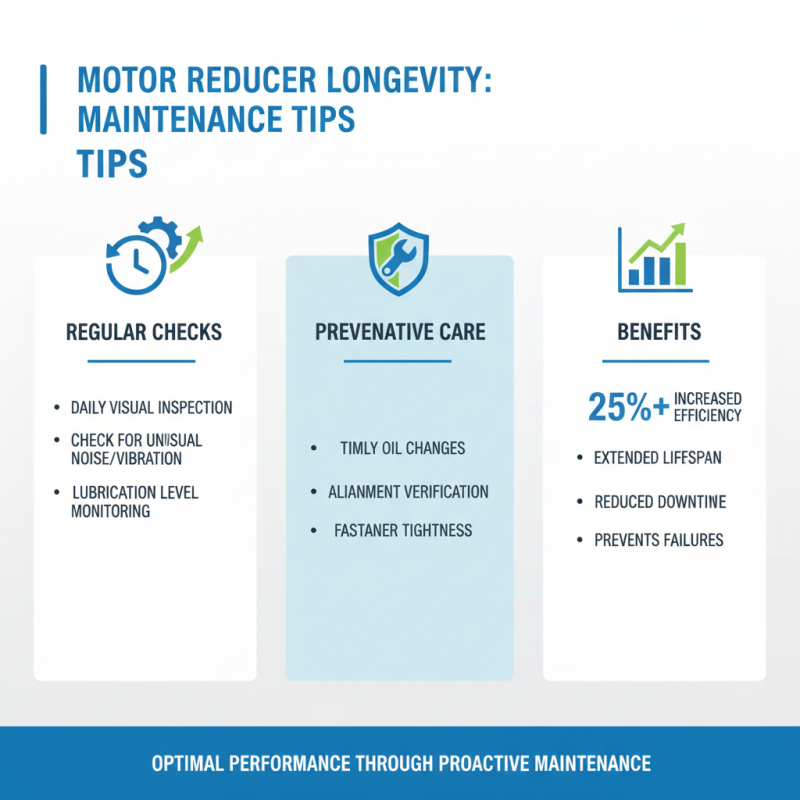
Tips: When selecting a motor reducer, consider gear type and material. Proper alignment during installation can enhance durability. Regular inspection routines help catch potential issues early, preventing costly downtimes. As industries evolve, prioritizing reliable motor reducers will become increasingly vital for maintaining competitive advantages.
Key Features to Consider When Selecting a Motor Reducer
Selecting the right motor reducer is critical for optimal performance and reliability. One of the first factors to consider is reduction ratios. This determines how much torque is increased while reducing speed. Aim for a ratio that aligns with your application needs. Inconsistent performance might arise if the ratio is not suited for the task.
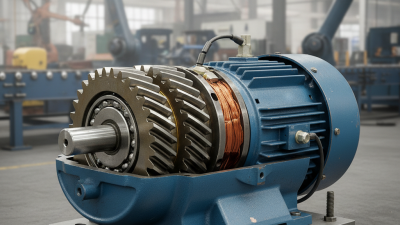
Next, look at the type of gear system employed. Different designs like planetary or helical gears offer varied advantages. Planetary gears are compact and provide high torque. Helical gears operate more quietly but may not carry the same load. Each design comes with its own set of pros and cons that must be weighed carefully.
Durability and material quality are equally important. Seek motor reducers built from robust materials like steel or aluminum. Poor material choices can lead to premature wear or failure. Also, consider operating temperatures. Ensure that the reducer can perform efficiently under expected conditions. Regular maintenance is essential but often overlooked. A proactive maintenance schedule will enhance longevity and prevent breakdowns.
Top 10 Best Motor Reducers: Performance and Efficiency
Top 10 Motor Reducers: Detailed Reviews and Specifications
When selecting motor reducers, understanding their specifications is crucial for enhancing performance. These devices play a vital role in various applications, from robotics to conveyor systems. High efficiency can lead to energy savings and reduced operational costs. Interestingly, a report from the International Electrotechnical Commission indicates that motor energy consumption can account for up to 70% of industrial electricity usage. Choosing high-quality reducers can significantly impact overall efficiency.
In terms of reliability, factors such as gear material and design significantly affect performance durability. Most industry experts recommend steel gears due to their strength and longevity. Precision engineering is imperative; even minor deviations can lead to failures or decreased efficiency. According to a study by the American Gear Manufacturers Association, improper installation accounts for nearly 25% of reducer failures. Regular maintenance and inspections can mitigate these risks.
Not all motor reducers are created equal. Varying specifications can lead to different outcomes in performance and lifespan. It is essential to analyze load capacities, torque ratings, and gear ratios carefully. Data shows that underestimating torque could lead to critical failures. The right choice is not always clear, making informed decisions vital for effective performance and reliability.
Comparative Analysis of Performance and Reliability among Top Models
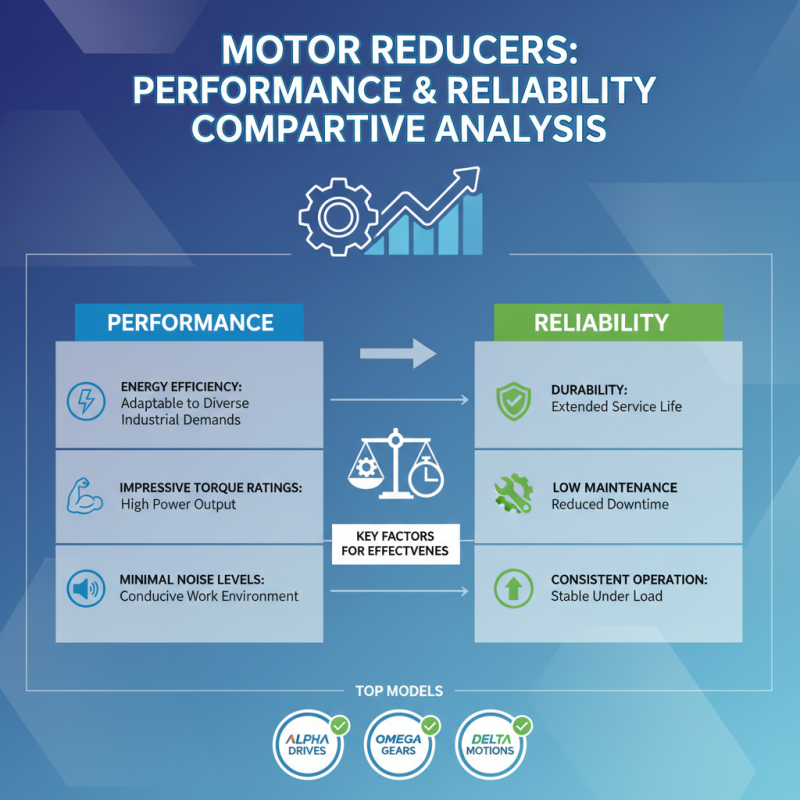
When evaluating motor reducers, performance and reliability stand out as key factors influencing their effectiveness. Several models excel in energy efficiency, adapting seamlessly to various industrial demands. For instance, some reducers provide impressive torque ratings while maintaining minimal noise levels. This balance is critical for operations requiring both power and a conducive working environment.
Reliability is often tested under extreme conditions, and many models claim robust performance in harsh environments. However, it’s essential to investigate each model under typical use cases. A detailed review can reveal subtle weaknesses, such as increased wear over time or sensitivity to temperature fluctuations. Users should closely analyze these factors when selecting a reducer, particularly for applications where downtime can be costly.
Inconsistencies in performance ratings can raise doubts. Some models may appear superior on paper but fail in real-world applications. Additionally, a high-efficiency rating does not always translate to durability. Each organization must assess their unique needs and consider trial evaluations before making a final decision. Exploring both specifications and user feedback can lead to better-informed choices.