Inquiry
Leave Your Message

Top Helical Geared Motor Manufacturers and Suppliers

Helical Geared Motor systems quietly drive many modern production lines. They power conveyors, mixers, packaging machines, cranes, and automated storage equipment. Their angled teeth create smoother engagement than many basic spur gear designs. This can reduce vibration, improve torque transmission, and support continuous operation in demanding environments.

Industry reports show why suppliers remain important. Grand View Research identifies automation, material handling, and process industries as major growth areas for industrial gear systems. MarketsandMarkets also links rising factory automation to stronger demand for efficient gear motors and integrated drive solutions. These reports differ in market size and forecast periods. That difference deserves attention. Definitions often include gearboxes, motors, and complete drive packages together.

A reliable comparison of Helical Geared Motor manufacturers should examine more than catalog power ratings. Buyers need verified efficiency data, thermal performance, service-factor guidance, noise levels, and replacement-part availability. IEC 60034 standards provide a useful reference for motor performance and testing. ISO 9001 certification can indicate controlled production processes, but it does not guarantee every product will suit every application. Real experience matters here. A motor running beside a dusty conveyor faces different risks from one installed in a clean packaging room.

Leading suppliers typically distinguish themselves through engineering support, customization, global service networks, and documented testing. However, “top” should not mean “largest” alone. Delivery reliability, lubricant selection, shaft alignment, and after-sales response can decide total operating cost. The following overview considers these practical factors while comparing prominent manufacturers and suppliers. Some conclusions remain judgment-based, because public data rarely reveals complete failure-rate or lifecycle-cost records.
Top Helical Geared Motor Manufacturers and Suppliers

What Is a Helical Geared Motor?

What Is a Helical Geared Motor?

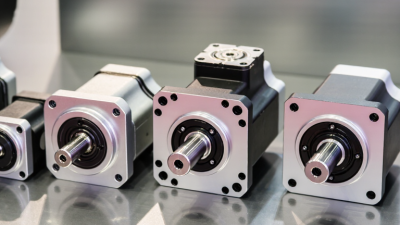
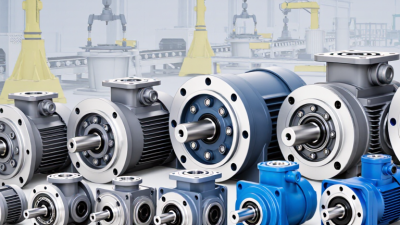
A helical geared motor combines an electric motor with a helical gearbox. Its angled teeth engage gradually, creating smoother torque transmission than straight-cut gears. This design usually delivers lower operating noise, steady speed reduction, and strong output torque. It suits conveyors, mixers, packaging lines, pumps, and material-handling equipment.

The International Energy Agency reports that electric motor systems consume about 46% of global electricity. In industry, the share can reach nearly 70%, according to the IEA’s motor-driven systems analysis. Small efficiency improvements therefore matter. A helical gearbox can reduce mechanical losses, but its real performance depends on load, lubrication, alignment, and duty cycle. I often see selections based only on motor power. That approach is incomplete. Startup torque and shock loads can change the required gearbox size significantly. The boundary is easy to blur.

Tips: Check the service factor before ordering. Match the output speed to the actual process, not the catalog headline. Ask suppliers for efficiency data, noise limits, thermal ratings, and maintenance intervals. The U.S. Department of Energy also recommends evaluating complete motor systems, rather than judging the motor alone. A technically correct unit can still waste energy when oversized. That mistake is common.
How Helical Geared Motors Work and Where They Are Used

Top Helical Geared Motor Manufacturers and Suppliers

A helical geared motor combines an electric motor with angled, meshing gears. The helical teeth engage gradually, not suddenly. This reduces impact, vibration, and operating noise. Torque passes through the gearbox while speed decreases. The result is controlled rotary motion for conveyors, mixers, packaging lines, and automated material handling. The U.S. Department of Energy reports that motor-driven systems consume about 70% of industrial electricity. Small efficiency improvements can therefore matter across a large plant.

In practice, helical geared motors often deliver efficiency above 90%, depending on size, load, lubrication, and transmission stages. The European Commission’s motor-system studies emphasize correct sizing and variable-speed control as major energy-saving measures. A unit selected only by rated power may still run poorly. I have seen oversized drives cycle unnecessarily, creating heat and wasted electricity. That practical detail is easy to miss in catalog comparisons.

Tips: Check the required output torque, duty cycle, mounting position, and ambient temperature. Measure the real load before choosing the ratio. Keep lubricant clean and inspect seals near washdown areas. IEC 60034-30-1 provides motor efficiency classes, but gearbox losses still need separate evaluation. Noise ratings also deserve attention. A quiet test bench does not always represent a dusty, fully loaded production floor.

Key Factors for Comparing Manufacturers and Suppliers

Comparing helical geared motor manufacturers requires more than checking catalog prices. Start with application evidence: motor power, output speed, torque, duty cycle, and mounting position. A supplier that asks for these details shows practical engineering awareness. One overlooked question can cause trouble. Ask for rated torque at the actual service factor, not only the headline value. Request drawings, efficiency data, noise readings, and lubrication requirements before approving a design.

Manufacturing capability is equally important. Review housing materials, gear finishing methods, bearing sources, and assembly controls. A reliable manufacturer should explain inspection points, including backlash, shaft runout, and temperature rise. Factory experience matters when motors operate beside dust, moisture, or frequent starts. Look for documented testing, traceable serial records, and technicians who can discuss failure patterns clearly. Certifications help, but certificates alone do not prove consistent production. That distinction is easy to miss.

Compare suppliers by communication, spare-part access, delivery stability, and support after installation. Ask how quickly they handle a damaged seal or an unexpected vibration problem. Clear warranty terms should identify exclusions, response times, and evidence required for a claim. Sample units can reveal fit, sound, and heat behavior more honestly than polished brochures. Compare total ownership cost, including oil changes, downtime, energy use, and replacement labor. The cheapest quotation may become expensive after six months. Still, field conditions vary, and even careful comparisons can miss an installation mistake. Trial monitoring matters.

Leading Helical Geared Motor Manufacturers and Suppliers

Leading Helical Geared Motor Manufacturers and Suppliers

Helical geared motor manufacturers and suppliers support conveyors, mixers, packaging lines, and automated handling systems. Their products combine steady torque with relatively low operating noise. According to Grand View Research, the global industrial gearbox market was valued at approximately USD 28.9 billion in 2023. The report expects continued growth through 2030, driven by factory automation and material-handling investment.

Performance depends on more than rated power. Experienced buyers examine service factors, thermal limits, sealing quality, shaft tolerances, and replacement-part availability. MarketsandMarkets identifies energy efficiency, predictive maintenance, and industrial automation as important gearbox market drivers. A supplier offering clear load calculations and documented test procedures deserves closer attention.

Details matter.

For example, a helical geared motor running beside a dusty conveyor may need stronger sealing than a similar unit in a clean packaging room. Suppliers should provide efficiency data, noise measurements, lubrication guidance, and installation instructions. ISO 9001-based quality systems can improve process consistency, but certification alone cannot guarantee field performance. That assumption is often wrong.

Maintenance records also reveal practical differences. Misalignment, insufficient lubrication, and repeated overloads can shorten service life quickly. A reliable manufacturer or supplier should help users select the correct ratio, mounting position, brake option, and duty class. Product data sheets sometimes look complete, yet omit real operating temperatures. Buyers should question those gaps before placing an order.

Top Helical Geared Motor Manufacturers and Suppliers - Leading Helical Geared Motor Manufacturers and Suppliers

Evaluation Dimension Typical Industry Requirement Relevant Technical Data Why It Matters
Gear Arrangement Inline helical gearing for compact, efficient power transmission Parallel-axis helical gear stages with continuous tooth engagement Supports smooth operation, lower noise, and stable torque delivery
Typical Output Torque Light-duty to heavy-duty industrial motion Approximately 50 to 18,000 N·m, depending on frame size and ratio Allows sizing for conveyors, mixers, feeders, pumps, and material-handling equipment
Reduction Ratio Low-speed, high-torque output from standard electric motors Commonly about 3:1 to 300:1; multi-stage designs provide higher ratios Determines output speed, torque multiplication, and application suitability
Motor Power Range Variable power requirements across industrial machinery Typically available from fractional-kilowatt ratings to several hundred kilowatts Provides flexibility for both compact machines and high-load production lines
Efficiency Reduced energy consumption during continuous operation Helical gearboxes commonly achieve high mechanical efficiency, often above 90% depending on stages, ratio, and lubrication Higher efficiency can reduce operating costs and heat generation
Mounting Options Different machine layouts and installation constraints Foot-mounted, flange-mounted, shaft-mounted, and torque-arm configurations Simplifies integration with conveyors, mixers, packaging systems, and processing equipment
Motor Compatibility Standardized replacement and system integration Commonly paired with IEC or NEMA motor interfaces, subject to the selected model Improves interchangeability and simplifies sourcing of replacement motors
Ingress Protection Protection from dust, water, and routine industrial exposure IP ratings such as IP55, IP65, or higher may be available depending on motor and enclosure configuration Helps match the geared motor to indoor, dusty, washdown, or outdoor environments
Operating Temperature Reliable operation in changing ambient conditions Many industrial designs are specified for approximately -20°C to +40°C ambient conditions, subject to derating Prevents overheating, lubricant degradation, and premature component wear
Noise and Vibration Quiet operation near operators and sensitive equipment Ground helical teeth, balanced rotating parts, and precision bearings are commonly used to control noise and vibration Improves workplace comfort and may extend service life of connected machinery
Lubrication Long service intervals and dependable thermal performance Oil-bath, splash, or synthetic lubrication systems; lubricant selection depends on speed, load, and temperature Proper lubrication reduces friction, wear, and operating temperature
Applicable Standards Consistent quality, safety, and dimensional compatibility Relevant requirements may include ISO 9001 quality systems, IEC motor standards, CE requirements, and applicable efficiency regulations Supports regulatory compliance and reliable international procurement
Common Applications Continuous or intermittent torque transmission Conveyors, packaging machinery, food-processing equipment, pumps, mixers, cranes, material-handling systems, and process machinery The broad application range makes helical geared motors a versatile industrial drive solution

Note: Technical ranges are representative industry values. Exact performance depends on the selected geared-motor configuration, duty cycle, service factor, installation position, ambient conditions, and applicable local standards.

How to Select the Right Helical Geared Motor Supplier

How to Select the Right Helical Geared Motor Supplier

Selecting a helical geared motor supplier starts with your actual operating conditions, not a catalog picture. Define output torque, speed ratio, duty cycle, mounting position, and daily running hours. Include the motor’s starting load. A conveyor carrying wet cartons needs different protection than a clean indoor mixer. Ask the supplier for load calculations, efficiency data, thermal ratings, and noise measurements. Reliable suppliers explain their assumptions instead of sending a generic quotation.

Check manufacturing quality through documented inspections. Look for gear tooth testing, housing alignment checks, bearing information, and final run-test records. Ask whether each unit receives vibration and temperature checks before shipment. Clear documentation matters. So does traceability. A supplier should identify production dates, component specifications, and replacement-part availability. Experience becomes visible in small details, such as correct cable entry protection and realistic service intervals.

Communication can reveal more than a sales presentation. Request a drawing with shaft dimensions, keyway details, mounting holes, and allowable radial loads. Confirm delivery times in writing. Ask how technical support handles an overheating gearbox or unexpected backlash. An honest supplier will mention limits. That is useful. One practical mistake is choosing the lowest price before comparing oil seals, warranty coverage, and spare-part costs. I have seen specifications look complete while leaving ambient temperature undefined. Recheck every figure, especially when the motor operates near dust, moisture, frequent starts, or reversing loads.

How to Select the Right Helical Geared Motor Supplier

This neutral supplier-evaluation scorecard ranks the main purchasing criteria on a practical 1–5 priority scale. Technical compatibility, documented compliance, and after-sales support should normally receive greater attention than price alone. Buyers should adjust the scores according to application load, duty cycle, environment, delivery requirements, and total cost of ownership.