10 Best Helical Geared Motor Manufacturers Worldwide
A Helical Geared Motor is often chosen when equipment needs steady torque, reliable speed reduction, and quiet operation. You might find one driving a conveyor belt, mixer, packaging line, or lifting system. The helical teeth engage gradually, which can reduce noise and vibration compared with some other gear designs. But performance depends on more than the gearset. Motor power, ratio, mounting position, lubrication, duty cycle, and operating temperature all matter.
This guide introduces ten manufacturers with an international presence and a range of geared-motor solutions. It considers practical factors such as product breadth, engineering capabilities, configuration options, documentation, and access to technical support. A large catalogue can be useful. So can a nearby service team. Neither guarantees the right fit. A compact unit may suit a light conveyor but struggle under repeated shock loads; a robust design may be unnecessary for a simple application. Details count.
Use the list as a starting point, not a final verdict. Manufacturer claims and product availability can vary by region and model, so confirm specifications directly before choosing equipment. Compare torque and service factors against real operating conditions, including start-stop frequency and ambient temperature. Even careful comparisons leave uncertainty. That is worth admitting. The best supplier is the one whose verified product, support, and delivery options match the machine’s actual needs.
What Helical Geared Motors Are and How They Work
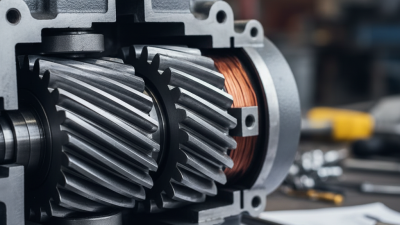
A helical geared motor combines an electric motor with a helical gearbox. The motor supplies rotation; the gearbox changes its speed and torque. Inside, angled teeth meet gradually rather than striking all at once. This usually produces smoother, quieter operation than straight-cut gearing. Quieter, not silent.
As the motor turns the input shaft, its gear drives the next gear in the train. Each reduction lowers output speed and increases available torque, subject to mechanical losses. For example, a conveyor moving heavy cartons may need steady force at a modest speed. The correct ratio depends on the load, required output speed, and starting conditions—not just motor power.
These units are often chosen for packaging lines, mixers, and material-handling equipment. In practice, selection also involves mounting position, shaft arrangement, duty cycle, and ambient temperature. Lubrication matters. A gearbox running hot or making a new rattling sound deserves inspection; those clues can point to overload, poor alignment, or worn components. Still, noise alone does not diagnose a fault. I would check the operating conditions and manufacturer’s service guidance before drawing conclusions. Helical gearing can be efficient and durable, but no design compensates for an unsuitable load or neglected maintenance.
Key Criteria for Evaluating Global Manufacturers
A helical geared motor may look compact on a drawing, yet heat, shock loads, and start frequency can change its real performance. Compare manufacturers using the same duty conditions: output torque, operating hours, ambient temperature, mounting position, and required service factor. Ask for thermal-limit calculations and test records, not only catalogue ratings. The IEA’s 2011 report, Energy-Efficiency Policy Opportunities for Electric Motor-Driven Systems, estimated that motor-driven systems consumed about 46% of global electricity. That figure covers far more than geared motors, but it shows why efficiency claims deserve careful scrutiny.
Check how each supplier verifies gear geometry, noise, vibration, and lubricant leakage under load. Request documented quality controls, traceable materials, and efficiency data for the complete motor-and-gearbox assembly. A motor’s efficiency class alone does not describe the reducer’s losses. Also examine delivery consistency, replacement-part availability, and technical support across your operating regions. Ask whether test conditions match yours. They often don’t. Site references can reveal details missing from polished brochures, such as overheating after frequent starts or long delays for seals. I would treat a clean certificate as useful evidence, not proof of dependable service; specifications still need comparison against actual operating records.
Ten Leading Helical Geared Motor Manufacturers Worldwide
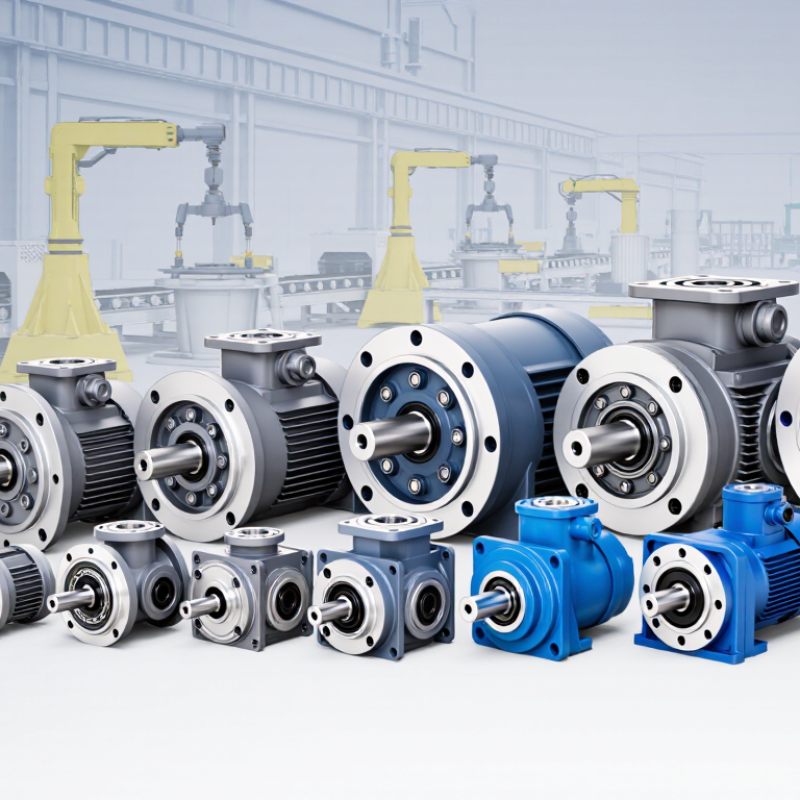
The ten leading helical geared motor manufacturers worldwide serve industries that need steady torque, compact layouts, and dependable operation. Their products commonly appear on conveyors, mixers, packaging lines, and material-handling equipment. Inside the housing, angled helical teeth engage gradually, helping reduce vibration compared with many straight-cut gear designs. Fit matters. So does heat control.
A useful comparison looks beyond rated power. Engineers check output speed, service factor, mounting position, shaft dimensions, enclosure protection, and lubrication requirements. A motor running a dusty conveyor may need different protection from one installed beside a washdown station. Ask for efficiency data, noise figures, and maintenance guidance for the exact configuration. Catalog values are helpful, but installation conditions can change real performance.
The strongest manufacturers tend to offer consistent quality checks, accessible technical support, and options for matching motors to specific loads. Their global reach may also help with parts and delivery, though local service quality can differ. That detail is easy to overlook. Before choosing among ten suppliers, compare test documentation and warranty terms, then confirm compatibility with the driven machine. A polished specification sheet cannot reveal every site problem, and even careful selection sometimes needs adjustment after commissioning.
How Manufacturer Capabilities Differ Across Applications
A helical geared motor is not a one-size-fits-all purchase. Manufacturer capabilities differ in torque range, gear ratios, sealing, thermal design, and integration with controls. These differences matter because the International Energy Agency’s 2011 report, Energy-Efficiency Policy Opportunities for Electric Motor-Driven Systems, estimates that motor-driven systems use about 45% of global electricity. Efficiency at the application level deserves close attention.
For washdown conveyors, buyers need corrosion-resistant housings, dependable seals, and low-speed control under frequent starts. Mining and bulk-handling lines place greater emphasis on shock loads, continuous duty, and service access when equipment sits far from a workshop. Small details matter. A University of Maryland-led U.S. Department of Energy market assessment found motor-driven systems account for about 68% of U.S. industrial electricity use. That figure is broad, not a guarantee of savings from any single gearbox.
When comparing manufacturers, ask for operating-point efficiency data, not just peak ratings. Request torque and thermal limits for the actual duty cycle, plus documented noise and backlash values where positioning matters. I still find this easy to oversimplify: a compact unit can look ideal on a drawing, then run hot in a cramped enclosure. Check mounting, lubrication intervals, ambient temperature, and replacement-part lead times before deciding.
Factors to Consider When Selecting a Manufacturer
Choosing a helical geared motor manufacturer starts with the job, not the catalog. Record the required torque, output speed, duty cycle, and mounting position. Include the real environment: dust, washdown, heat, or frequent starts. These details affect housing, seals, lubrication, and motor sizing. Small details matter.
Ask how the manufacturer verifies performance. Request clear rating data, dimensional drawings, and test information for the proposed configuration. Check whether the stated service factor fits your actual load, rather than relying on a headline figure. A practical supplier should explain trade-offs in plain language and identify assumptions that may need review. I would not treat a polished catalog as proof; it can leave important operating limits unclear.
Look beyond the purchase price. Compare lead times, spare-part availability, warranty terms, and access to technical support. Ask what happens if the gearbox runs hotter or noisier than expected after installation. A sample unit or a documented application review can reveal issues before a full order, though neither guarantees trouble-free operation. The right choice is rarely the cheapest unit alone. It is the manufacturer whose data, communication, and service fit the demands of your equipment.
Ingress Protection Ratings: A Motor Selection Factor
Compare the solid-particle and water-protection digits in example IP codes. These standardized code levels describe enclosure protection; they are not performance scores. Choose a rating suited to the installation environment, and confirm it applies to the complete geared-motor assembly.
Examples shown: IP54, IP55, IP65, IP66, and IP67. IP code meanings are defined by IEC 60529.