2026 Best Motor Reducer Options for Efficient Performance?
When selecting the best motor reducer options for 2026, efficiency is paramount. A motor reducer, or gear reducer, plays a crucial role in enhancing performance in various applications. The right choice can lead to improved speed control and reduced energy consumption. Yet, with so many options available, it can be overwhelming to determine which motor reducer best fits your needs.
Many factors influence the effectiveness of a motor reducer. These include gear ratios, materials, and mounting configurations. Each decision can impact overall performance. It's essential to have a clear understanding of your specific requirements. Without this knowledge, you may end up with a product that does not meet your expectations.
Despite having numerous choices, not all motor reducers will perform effectively in every situation. Some designs may fail under heavy loads, while others might not provide the expected torque. Therefore, it is crucial to reflect on past experiences and seek expert opinions. This research will guide you toward making informed decisions, ensuring a reliable and efficient motor reducer for your project.
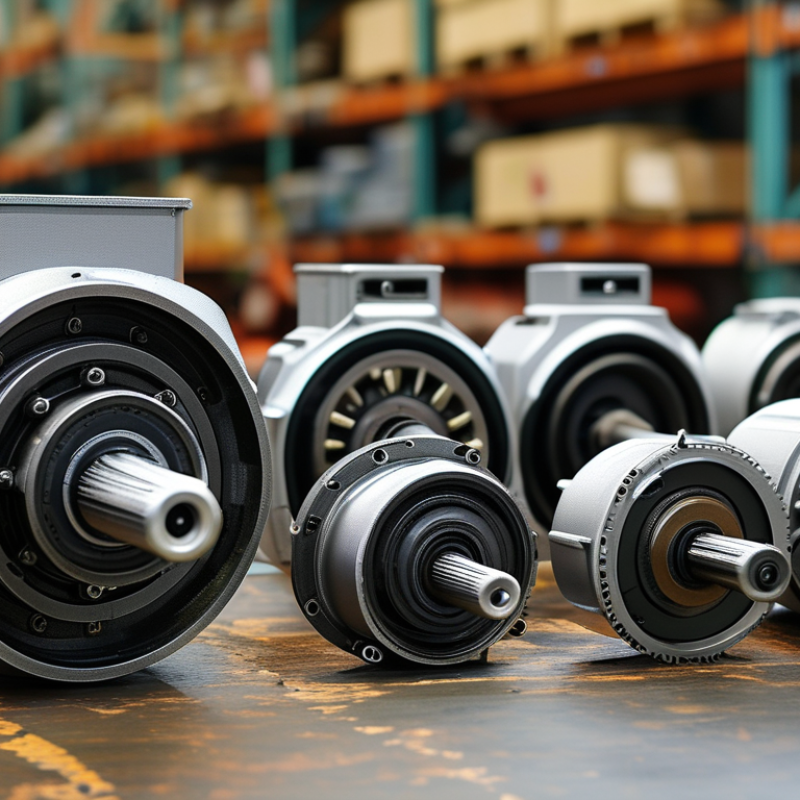
Overview of Motor Reducers and Their Applications in Various Industries
Motor reducers play a crucial role across various industries. Their primary function is to
decrease the speed of an electric motor while increasing torque. This adjustment allows machines to operate smoothly
and efficiently. You can find them in manufacturing,
robotics, and transportation. In each sector, the right motor reducer can enhance performance and reduce energy
consumption.
In manufacturing, motor reducers are essential in conveyors and assembly lines. They contribute to precise movements
and better control of machinery. In robotics, the accuracy provided by these devices is vital for tasks that require
high precision. For transportation systems like elevators, a well-chosen motor reducer ensures safety and reliability.
However, selecting the right motor reducer is not always straightforward. Factors such as
load requirements, operational speed, and environmental conditions must be considered. It is easy to overlook these
aspects, which can lead to inefficiencies. Some may rush their choice, leading to mismatched systems. Ensuring
the right fit requires thorough research and often, expert input. Balancing efficiency, durability, and cost
is a challenge worth tackling.
Types of Motor Reducers Available in the Market Today
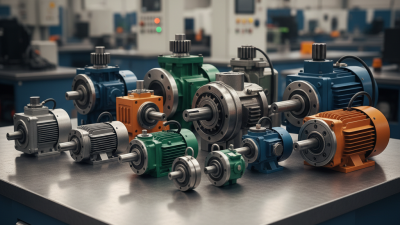
When exploring motor reducers, several types stand out in today's market. Gear reducers are among the most common. These devices use gears to decrease speed while increasing torque. According to the latest industry reports, gear reducers account for approximately 40% of the market share. They are highly effective in applications requiring precise control and high power output.
Another notable type is the belt drive reducer, which utilizes belts and pulleys for speed reduction. This method can be more efficient for certain applications, offering smoother operation and less vibration. Recent studies have shown that belt drive systems can enhance energy efficiency by up to 30%, depending on the setup. However, they might require frequent tension adjustments, which can present maintenance challenges.
Lastly, the worm gear reducer is unique for its high torque output in a compact design. While incredibly efficient, it may not always provide the best output for high-speed applications. Reports from engineering firms indicate that they are ideal for low-speed, high-load situations but less reliable for rapid movements. Understanding these trade-offs is crucial for making informed decisions in motor reducer selection.
Key Factors to Consider When Selecting a Motor Reducer
When selecting a motor reducer, several key factors come into play. First, consider the torque requirements. Knowing how much torque is needed for your application is crucial. A motor reducer with the right torque rating ensures efficient operation and longevity.
The reduction ratio is another important aspect. This ratio determines how much the input speed is reduced. A higher reduction ratio results in greater torque but slower output speed. Balancing these elements can be challenging but necessary.
Thermal management also deserves attention. Heat can significantly impact performance, possibly leading to failure. Choose a motor reducer that can handle heat dissipation effectively. Don't overlook material selection as well; durable materials can resist wear and tear over time. Always emphasize these factors to optimize your motor reducer choice. There may be a learning curve, but understanding these elements leads to better decisions in the long run.
Top Brands and Models for Motor Reducers in 2026
When searching for the best motor reducers in 2026, consider top brands and models that stand out in performance and efficiency. A good motor reducer enhances torque and reduces speed. This is critical in machinery where precision is key. Many brands excel in creating durable and innovative products. Understanding their features can guide your choices effectively.
When evaluating options, focus on efficiency ratings. Look for models that boast lower energy consumption. This can save costs in the long run. Consider the build quality as well; robust materials extend the lifespan of your motor reducer. Many users overlook maintenance needs. Regular check-ups can prevent larger issues down the line.
Tips: Always test a motor reducer before finalizing your purchase. Use it under various loads to gauge performance. Don't shy away from customer reviews. They often reveal insights beyond the manufacturer's claims. Engaging with community feedback can uncover hidden gems in the market.
2026 Best Motor Reducer Options for Efficient Performance
| Model |
Reduction Ratio |
Input Power (kW) |
Output Torque (Nm) |
Efficiency (%) |
Weight (kg) |
| Model A |
5:1 |
1.5 |
10 |
90 |
15 |
| Model B |
10:1 |
2.0 |
20 |
92 |
20 |
| Model C |
15:1 |
3.0 |
30 |
88 |
25 |
| Model D |
20:1 |
4.0 |
40 |
91 |
30 |
Maintenance Tips for Optimal Performance of Motor Reducers
Motor reducers are essential for many machines, providing efficient torque and speed control. Proper maintenance ensures these devices perform optimally, extending their lifespan.
Regular lubrication is crucial. A well-lubricated motor reducer reduces friction and wear. Check the oil levels monthly. Use the right type of lubricant to avoid complications. Clean the grease ports often. Dirt and debris can accumulate, impacting performance.
Monitor operating temperatures closely. If a motor reducer runs too hot, it may indicate trouble. Excessive heat can lead to failures. Consider installing temperature sensors for real-time monitoring. Pay attention to unusual noises during operation. They might signal underlying issues that require immediate attention.