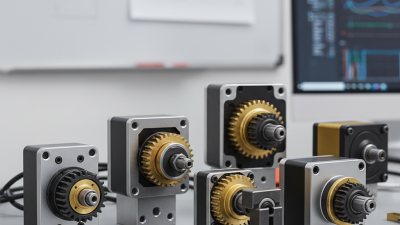
10 Essential Tips for Step Motor Beginners to Enhance Performance
In the realm of mechanical engineering, step motors play a critical role in precise motion control. Experts like Dr. Jane Smith, a leading authority in motor technology, emphasize, "Precision in step motor systems can significantly enhance overall machine performance." This underscores the importance of understanding step motors for both beginners and seasoned professionals.
For newcomers, knowing the nuances of step motors is essential. These motors convert electrical pulses into discrete mechanical movements. Mastering their operation can lead to significant improvements in various applications, from robotics to automation. Beginners often overlook critical aspects, which can hinder their projects. It is vital to dive deeper into their functionality to avoid common pitfalls.
Learning step motors can be challenging. Many new users feel overwhelmed by the technical aspects. Yet, with the right approach, their efficiency can be sharpened. By familiarizing oneself with essential tips, beginners can noticeably enhance their performance. Embracing the complexity rather than shying away creates a pathway to mastery. The journey with step motors is not just about knowledge; it’s about evolving from mistakes and achieving precision.
Understanding the Basics of Step Motors for Beginners
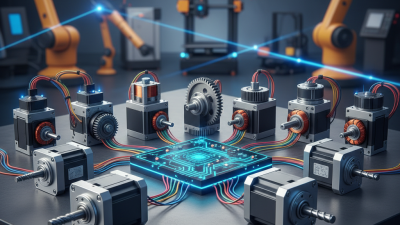
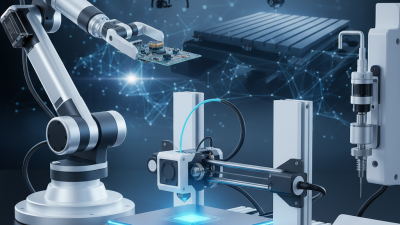
Step motors are widely used in various applications, from 3D printers to robotic systems. Understanding the basics of step motors is crucial for beginners looking to enhance performance. These motors operate on the principle of dividing a full rotation into a series of discrete steps. This allows for precise positioning and control. According to industry reports, nearly 30% of all automation systems utilize step motors, indicating their prevalence and reliability in modern technology.
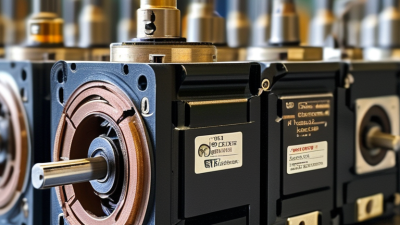
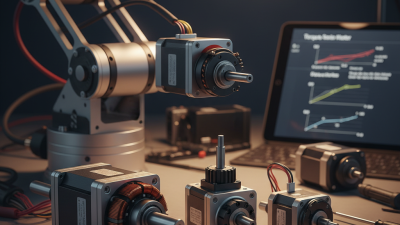
The operation of step motors can be divided into two primary modes: full-step and half-step. Full-step mode provides maximum torque but sacrifices resolution. In contrast, half-step mode increases resolution but may reduce torque by 30%. This trade-off is critical for those designing applications requiring fine control. Beginners should consider the specific needs of their projects. Choosing the right mode can significantly impact performance. Additionally, understanding the motor’s holding torque is essential. A standard NEMA 17 step motor might have a holding torque of around 45 Ncm, ideal for many applications but unsuitable for high-load scenarios.
Better performance often involves calibration and tuning. Consistent power supply and proper wiring can greatly influence outcomes. Beginners may overlook these aspects, leading to performance issues. According to a recent survey, approximately 25% of new users experienced difficulties with power regulation. Adjustments in current settings often yield noticeable improvements. Taking the time to experiment can lead to a better understanding of motor characteristics and capabilities.
Choosing the Right Step Motor for Your Application
Choosing the right step motor is crucial for achieving optimal performance in your projects. Understanding specific requirements is essential. Different applications demand different torque and speed ratings. The first step is to determine your application's load and the desired movement. This ensures that the motor you select can handle the task effectively.
Tip: Always check the torque rating. Insufficient torque can lead to stalling or inconsistent performance. Factors like the speed profile and delivery system impact your choice.
Another vital consideration is the step angle of the motor. A smaller step angle provides smoother motion and better resolution. However, this often comes with increased complexity in control systems. It’s important to weigh the benefits of precision against the complexity of implementation.
Tip: Evaluate your control system compatibility. A mismatch can hinder performance. Test runs are essential to identify if adjustments are necessary. Sometimes feedback from real-world use reveals surprises. These insights are invaluable for future projects.
Essential Wiring and Connections for Optimal Performance
Wiring and connections are vital for optimizing step motor performance. Proper wiring ensures consistent power delivery. Incorrect connections can lead to erratic behavior and poor performance. Beginners should take the time to learn essential wiring techniques.
One critical tip is to keep wiring neat and organized. Messy wires can cause signal interference. Use zip ties to secure cables. Label each wire to enhance clarity. This organization helps troubleshoot issues later.
Additionally, ensure your connections are solid. Loose connections can cause intermittent problems. Regularly check connection points for wear. Heat can also affect performance. Use heat-resistant materials when working in high-temperature environments. Understanding these aspects can significantly enhance your experience with step motors.
Tuning and Calibration: Maximizing Step Motor Efficiency
Tuning and calibration are vital for maximizing step motor efficiency. According to recent industry studies, properly calibrated step motors can improve performance by up to 30%. This enhancement leads to more accurate positioning and smoother motion, which is crucial for applications in robotics and CNC machines.
A common issue arises from misaligned settings. For example, manufacturers recommend regular adjustments to step angle and current settings. These adjustments help balance torque and heat generation. If settings are too high, overheating issues may occur, affecting reliability. Step motors have a recommended operating temperature of around 60°C to 70°C. Exceeding this range can reduce motor life significantly.
Moreover, feedback loops play a role in optimizing performance. Incorporating sensors for real-time monitoring enhances precision. However, the challenge lies in configuring these systems accurately. Many beginners overlook this aspect. To achieve the best results, iterative testing is essential. Reflection on previous calibration steps helps identify areas needing improvement. Addressing these areas can lead to remarkable gains in efficiency.
Common Mistakes to Avoid When Using Step Motors
When using step motors, beginners often make common mistakes that can hinder performance. One frequent issue is inadequate power supply. Insufficient voltage can lead to missed steps, resulting in poor precision. Always check your power supply specifications. Ensure it matches the motor requirements for optimal operation.
Another mistake is neglecting to configure microstepping. Without proper settings, motors can vibrate excessively or operate inefficiently. Beginners sometimes disregard calibration, believing it’s unnecessary. However, precise calibration is essential for achieving smooth movement. Additionally, overheating can occur if step motors are not adequately cooled.
Wiring errors also pose significant problems. Incorrect connections can lead to erratic motor behavior. This often causes frustration among new users. It’s important to double-check the wiring against the schematics provided. Taking the time to review these details can enhance overall performance and reliability.