Top 10 Advantages of Brushless Gearbox for Global Buyers?
The Brushless Gearbox has emerged as a game-changer in various industries. It offers numerous advantages that attract global buyers. With advancements in technology, these gearboxes improve efficiency and reduce maintenance. Their design minimizes friction and heat generation, leading to longer lifespans and lower operating costs.
Many buyers value the compact size and reduced weight of brushless gearboxes. This makes them ideal for applications where space is limited. Furthermore, the efficiency of these systems often surpasses traditional gearboxes, translating to better performance. The quiet operation is another attractive feature, making them suitable for environments that require minimal noise pollution.
However, it's important to approach the considerations carefully. Not every application requires a brushless solution, and costs can be higher upfront. Overall, understanding the unique benefits and challenges of the Brushless Gearbox can empower buyers to make informed decisions.
Understanding Brushless Gearbox Technology and Its Components
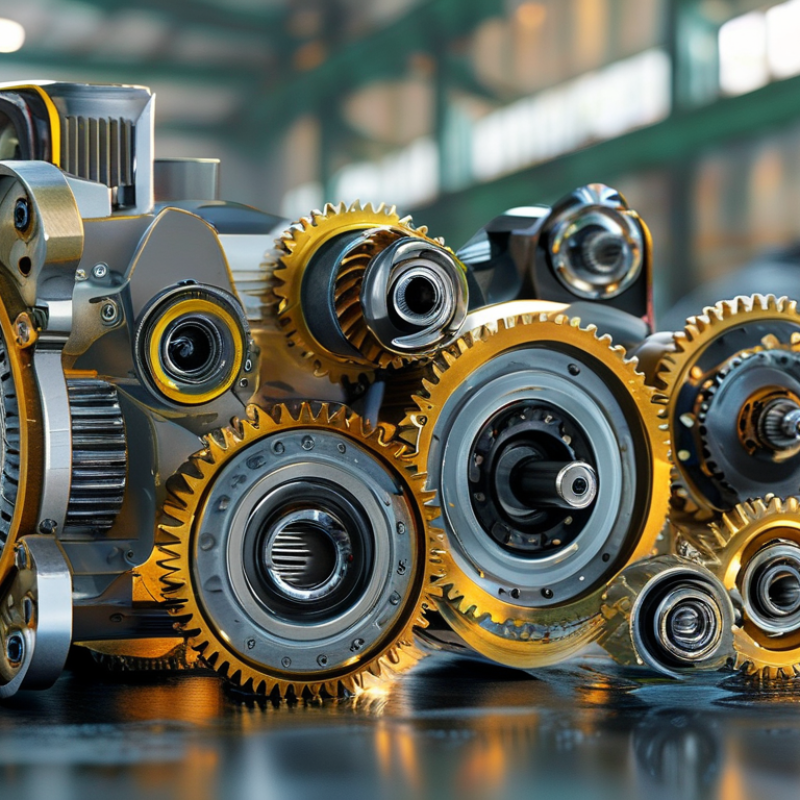
Brushless gearbox technology has transformed various industries by enhancing performance and efficiency. At its core, a brushless gearbox relies on an electronic controller to manage motor operation. This type of system eliminates the need for brushes, resulting in fewer mechanical parts. With reduced friction, wear and tear are minimized, leading to a longer lifespan. However, initial costs may deter some potential users.
Key components of brushless gearboxes include the rotor, stator, and power supply. The rotor is the moving part, while the stator remains stationary. This design offers improved torque and speed control. Despite the benefits, maintenance can sometimes be tricky, as specific expertise is required. Users might find it challenging to troubleshoot effectively without sufficient technical know-how.
Integrating brushless technology into existing systems does not come without challenges. Adapting to new control systems may require staff training. It’s essential to understand both the advantages and limitations. While the efficiency gains are notable, the upfront investment and complexity can raise questions. Exploring these aspects can help buyers make informed decisions about adopting brushless gearboxes.
Top 10 Advantages of Brushless Gearbox
| Advantage |
Description |
Impact |
| Higher Efficiency |
Brushless gearboxes do not have brushes, reducing friction and improving efficiency. |
Increased power output and reduced energy consumption. |
| Longer Lifespan |
Less wear and tear due to the absence of brushes enhances durability. |
Lower replacement costs and less downtime. |
| Less Noise |
Designed to operate quietly, making them ideal for sound-sensitive applications. |
Improved working environment and user comfort. |
| Compact Size |
Eliminating brushes allows for smaller design and integration into tight spaces. |
More design flexibility in applications. |
| Better Performance |
Offers smoother operation with less fluctuation in speed and power delivery. |
Enhanced end-user experience and product reliability. |
| Wide Speed Range |
Capable of achieving a wide range of speeds, suitable for various applications. |
Greater versatility in usage scenarios. |
| Low Maintenance |
Fewer components lead to lower maintenance needs compared to traditional gearboxes. |
Cost savings and less operational interruption. |
| Improved Thermal Management |
Heat generation is reduced, leading to better thermal performance. |
Increased safety and longevity of components. |
| Enhanced Control |
Supports advanced control algorithms for precise operation. |
Improved accuracy and responsiveness in applications. |
| Eco-Friendly |
Contributes to energy saving and reduced carbon footprint. |
Supports sustainability initiatives and regulations. |
Enhanced Efficiency: Why Brushless Gearboxes Perform Better
Brushless gearboxes are transforming efficiency in various industries. Reports indicate that these systems can improve energy efficiency by up to 30% compared to traditional gearboxes. This efficiency gain is largely attributed to their design, which eliminates friction caused by brushes. With minimal maintenance, these gearboxes run smoothly, significantly reducing operational costs over time.
Another essential aspect is their adaptability. Brushless gearboxes can easily integrate with advanced control systems. This flexibility allows for intelligent automation, making processes more efficient. Studies show that the average lifespan of a brushless gearbox is 50,000 hours under standard operating conditions. This longevity further supports their reliability in critical applications.
Yet, it is important to address potential limitations. Brushless gearboxes tend to be more complex and expensive to manufacture. Some users may struggle with the initial investment. This hesitation can be counterproductive, especially when considering long-term savings. The industry must continue to educate users on the long-term benefits these systems offer to maximize their impact.
Lower Maintenance Costs: A Key Advantage for Buyers
Lower maintenance costs are one of the most compelling advantages of brushless gearboxes. For global buyers, this aspect can significantly impact long-term operational efficiency. Traditional gearboxes often require regular oil changes and part replacements. This increases downtime and labor costs. In contrast, brushless gearboxes are designed to require minimal maintenance. Their sealed components protect against dust and debris. This means less frequent servicing is needed.
The reduced need for maintenance translates into significant savings. Many buyers find that these cost savings quickly offset the initial investment. Additionally, less upkeep means reduced labor demands. Operators can focus on more critical tasks rather than routine inspections. However, buyers should consider that while brushless gearboxes offer lower maintenance, they may have specific repair needs. Not all technicians are familiar with these systems. This can lead to challenges if issues arise.
Understanding these dynamics is essential for informed purchasing decisions. While repair needs can be minimal overall, the complexity of technology means that specialized skills may be necessary. Buyers should reflect on their local service options and training requirements. Balancing these factors with potential maintenance advantages can guide better choices in equipment procurement.
Durability and Longevity: The Lifespan of Brushless Gearboxes
Brushless gearboxes are gaining traction among global buyers, particularly due to their exceptional durability. These gearboxes often outlast traditional alternatives. Their construction minimizes wear and tear, an essential factor in many applications. Users frequently witness extended operational periods, even under heavy loads. With fewer moving parts, these systems reduce the chance of failure, which can result in costly downtime.
Longevity is a critical aspect for buyers. A well-maintained brushless gearbox can serve for years without significant issues. This factor brings peace of mind for manufacturers and operators alike. However, users must still conduct regular maintenance checks. While the gearboxes are robust, environmental factors can still impact their lifespan.
For instance, exposure to extreme temperatures may lead to unexpected outcomes.
Buyers appreciate the reliability of these gearboxes, but should remain aware of their limitations. Overloading or incorrect installation could hinder performance. Reviews from various industries suggest adaptability plays a crucial role in their effectiveness. The ideal performance comes from proper integration into existing systems. Hence, potential users might find it beneficial to seek expert guidance before making significant investments.
Applications Across Industries: Versatility of Brushless Gearboxes
Brushless gearboxes have gained popularity due to their versatility across various industries. These innovative systems find applications in robotics, automotive, and aerospace. In robotics, they enhance motion control efficiency. This results in smoother operations and less mechanical wear. In automotive applications, they improve energy efficiency and reduce emissions. Their compact design allows for more flexible vehicle layouts.
The aerospace sector also benefits significantly. Brushless gearboxes provide high reliability under extreme conditions. They contribute to the lightweight designs crucial for fuel efficiency. However, some challenges include the need for specialized maintenance. This can be costly and requires skilled personnel. Furthermore, the technology may not be universally applicable, especially in low-power applications.
Lastly, integration with older systems can pose compatibility issues. Engineers must ensure seamless operations when retrofitting. Despite these drawbacks, the potential advantages often outweigh the risks. Adopting brushless gearboxes could lead to significant advancements in performance and sustainability.
Top 10 Advantages of Brushless Gearbox
The chart above illustrates the top 10 advantages of brushless gearboxes, rated out of 10. These advantages highlight the growing preference for brushless gearboxes across various industries, showcasing their efficiency, longevity, and versatility.