2026 Top Trends in Brushless Gearbox Technology What You Need to Know?
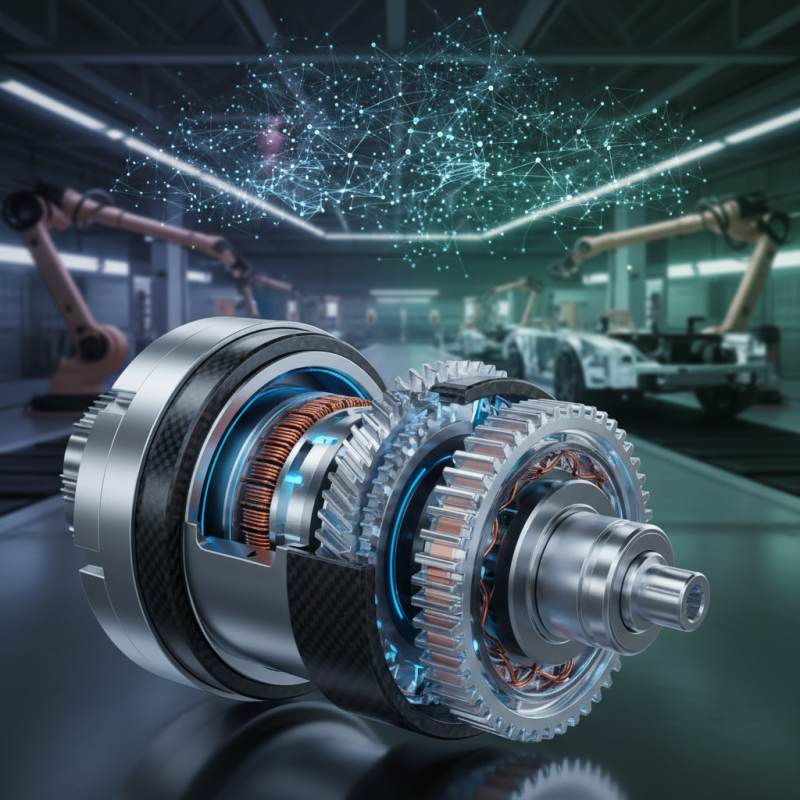
The landscape of brushless gearbox technology is evolving rapidly. Innovations are reshaping the way these essential components function. A brushless gearbox offers significant advantages, such as efficiency and durability. These improvements are crucial for various applications, from robotics to electric vehicles.
As industries increasingly embrace automation, understanding these trends becomes vital. Emerging technologies focus on enhancing performance while reducing cost. Manufacturers are investing in advanced materials to boost reliability. Users need to know how these changes impact product selection.
However, challenges remain in adapting to new technology. Not all innovations deliver promised benefits. Users should evaluate each trend critically. Embracing new designs without proper understanding may lead to inefficiencies. As the market shifts, knowledge of brushless gearbox trends is essential for success.
Overview of Brushless Gearbox Technology and Its Applications
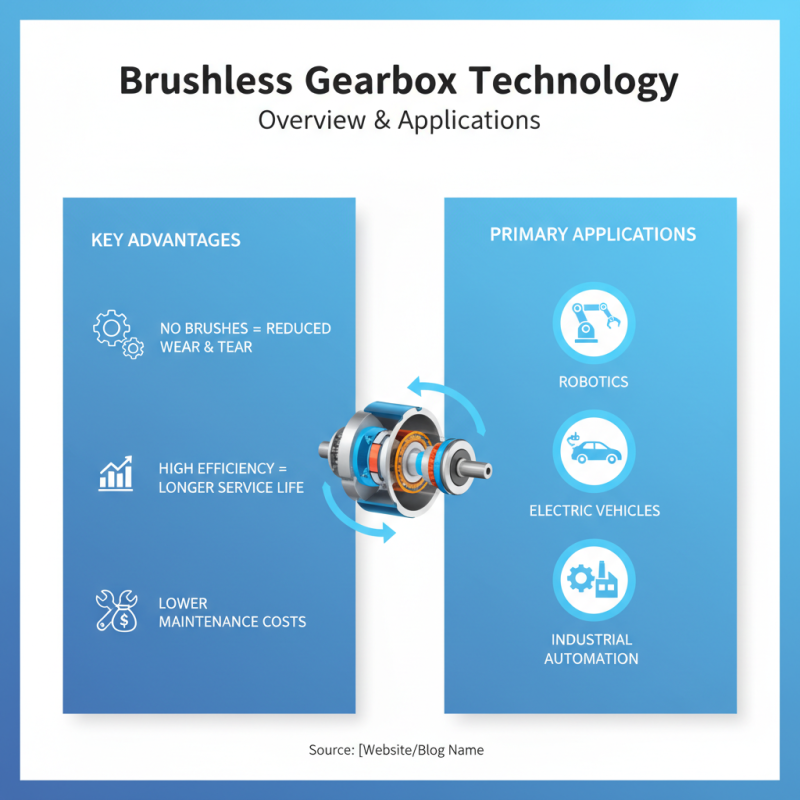
Brushless gearbox technology has revolutionized various industries. This technology eliminates the need for brushes, reducing wear and tear. The efficiency of these systems means longer service life and lower maintenance costs. Brushless gearboxes are crucial in robotics, electric vehicles, and industrial automation.
One notable application is in robotic systems. Brushless gearboxes provide precise control over motion. This precision is vital in tasks requiring accuracy. However, the initial setup can be complex. Users must ensure proper calibration for optimal performance.
Tips: Always keep an eye on system compatibility. Not all brushless gearboxes work with every motor. Regularly check for software updates. These can enhance performance and add new features to your system.
Another area of application is electric vehicles (EVs). Here, brushless gearboxes help optimize energy use. Despite their benefits, the cost of these systems can be high. Users need to weigh long-term savings against initial investments. Understanding the specific needs of your project is essential for making informed decisions.
Key Innovations Transforming Brushless Gearbox Designs in 2026
The brushless gearbox technology is undergoing significant transformations in 2026. These innovations aim to enhance efficiency, durability, and overall performance. Designers are focusing on integrating artificial intelligence to optimize gear functions in real time. This integration promises to streamline operations while reducing wear and tear.
Another key development involves the use of advanced materials. Lightweight composites are becoming popular due to their strength-to-weight ratio. These materials not only improve energy efficiency but also reduce maintenance needs. However, challenges remain in fully adapting these materials for widespread use.
Moreover, smart sensors are increasingly being embedded in gearboxes. These sensors provide real-time data about performance metrics. Users can monitor conditions remotely, enhancing operational decision-making. Yet, implementing such technology requires careful planning and investment. The balance between innovation and practicality is crucial as the industry moves forward.
Advantages of Adopting Brushless Gearbox Systems for Various Industries
Brushless gearbox systems are reshaping various industries, offering significant advantages. These systems are engineered for efficiency, which means reduced energy consumption and lower operational costs. Unlike traditional gearbox systems, brushless designs minimize friction and wear. This leads to longer lifespans and less maintenance, benefiting both manufacturers and end-users.
One key benefit is reliability. Brushless gearboxes provide consistent performance, even under extreme conditions. This durability is particularly valuable in sectors like manufacturing, automotive, and aerospace. Companies can depend on these systems to operate effectively in challenging environments. The result is a boost in productivity and reduced downtime.
Tips: When considering the switch to brushless gearboxes, account for the specific needs of your operations. Evaluate the load requirements and environmental factors. Regularly review performance metrics to detect any potential issues early. A well-planned transition can help maximize the advantages of adopting this technology. Remember, not every application may benefit equally, so careful analysis is vital.
2026 Top Trends in Brushless Gearbox Technology
This chart displays the key advantages of adopting brushless gearbox systems across various industries. As industries continue to evolve, these attributes are crucial for enhancing performance and efficiency.
Future Challenges and Considerations for Brushless Gearbox Development
The brushless gearbox technology landscape is evolving rapidly, presenting challenges for developers. A report from the International Energy Agency (IEA) forecasts an increase in demand for energy-efficient components by 30% by 2026. This surge points to the necessity of refining design and manufacturing methods for brushless gearboxes.
One significant challenge is thermal management. As brushless gearboxes face higher loads, heat dissipation becomes critical. Inadequate cooling systems can lead to premature gear failure. The average operational lifespan of these gearboxes can drop by up to 25% if temperatures exceed recommended thresholds. Innovations in materials and design are essential to address this issue, but not all approaches yield successful results.
Another critical consideration is the integration of advanced control systems. These systems can enhance performance but also add layers of complexity. According to a recent study, nearly 40% of developers expressed concerns about the reliability of these control algorithms. Balancing complexity with user-friendly operation will require ongoing research and development. Adapting to these future challenges will be vital for the continued growth of the brushless gearbox industry.
2026 Top Trends in Brushless Gearbox Technology
| Trend |
Description |
Impact on Industry |
Future Considerations |
| Increased Efficiency |
Higher energy efficiency in gearboxes. |
Reduces operational costs. |
Need for new materials and technology. |
| Smart Gearboxes |
Integration of IoT for monitoring and control. |
Improves maintenance and performance tracking. |
Data security and integration challenges. |
| Compact Designs |
Smaller and lighter gearbox alternatives. |
Enables more space-efficient designs. |
Trade-offs with power density. |
| Sustainability Initiatives |
Focus on reducing carbon footprint in manufacturing. |
Aligns with global sustainability goals. |
Regulatory compliance and material sourcing. |
| Advanced Control Algorithms |
Utilization of AI for optimized performance. |
Enhances precision in operation. |
Development of high-performance processing units. |
Market Trends and Growth Projections for Brushless Gearbox Technology
The brushless gearbox technology market is anticipated to grow significantly in the coming years. A recent report from Research and Markets projected a compound annual growth rate (CAGR) of 6% from 2022 to 2028. This trend reflects increasing demand for efficient energy solutions across various industries. Advanced automation and electric vehicle trends are pivotal drivers.
Manufacturers are focusing on improving the performance of brushless gearboxes. For instance, efficiency ratings above 90% are becoming standard. This enhancement in technology leads to longer lifespans and reduced maintenance costs. According to a 2023 study by Global Industry Analysts, the increasing adoption of Industry 4.0 technologies will heavily impact gearbox designs. As automation needs rise, so will the demand for precise and reliable gearbox solutions.
Tip: Consider investing in training on brushless technology for your team. Staying updated enhances your project efficiency. Continuous learning will keep your business competitive.
Nonetheless, challenges remain. The initial costs for implementing advanced brushless systems can be substantial. This may discourage some firms from making the switch. Understanding the long-term savings versus initial investments is crucial. Taking a cautious approach can often lead to better decision-making in adopting new technology.