2026 Top Trends in Stepper Gearbox Technology and Applications?
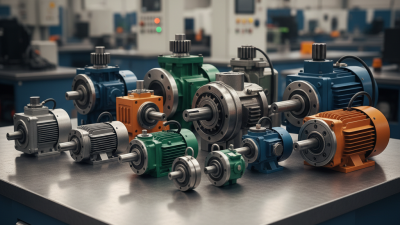
In recent years, the realm of Stepper Gearbox technology has witnessed significant advancements. As industries evolve, the demand for precise and efficient motion control systems grows. Stepper Gearboxes have become essential in applications ranging from robotics to automation. They offer high accuracy and reliability in a compact form factor.
The trends shaping this technology are fascinating. Innovations in materials and design have made stepper gearboxes more durable and efficient. Enhanced control mechanisms are also emerging, enabling more sophisticated applications. However, with rapid advancements, some challenges persist. Issues related to heat dissipation and noise remain areas for improvement.
Understanding these trends is crucial for engineers and manufacturers. As we explore the latest developments, it becomes evident that the landscape of Stepper Gearboxes is transforming. Adapting to these changes will be key for businesses aiming to stay competitive. Keeping abreast of these advancements will ensure that companies harness the full potential of stepper technology in their operations.
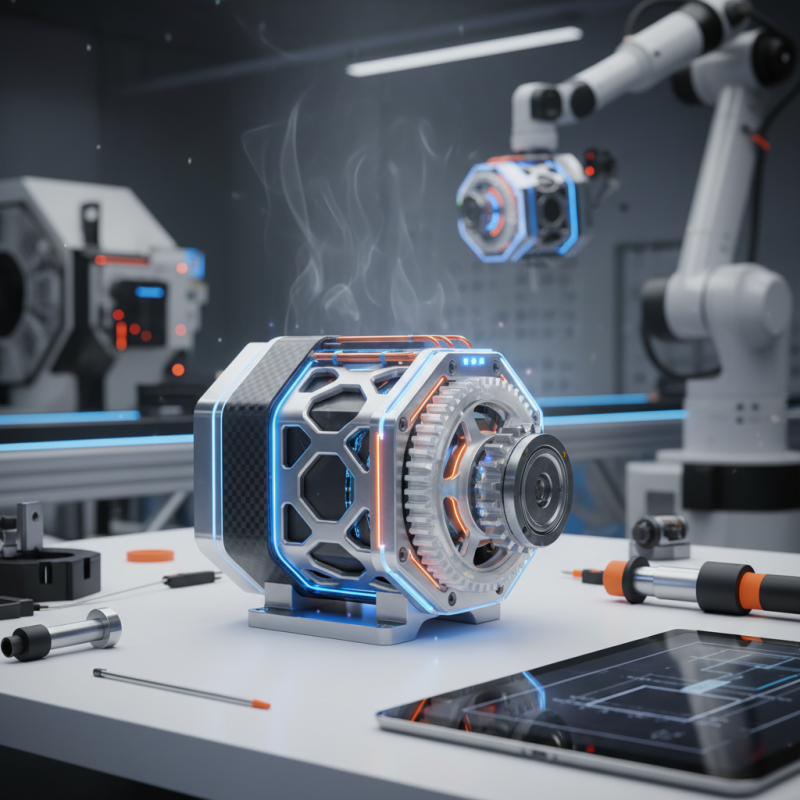
Emerging Technologies in Stepper Gearbox Design for 2026
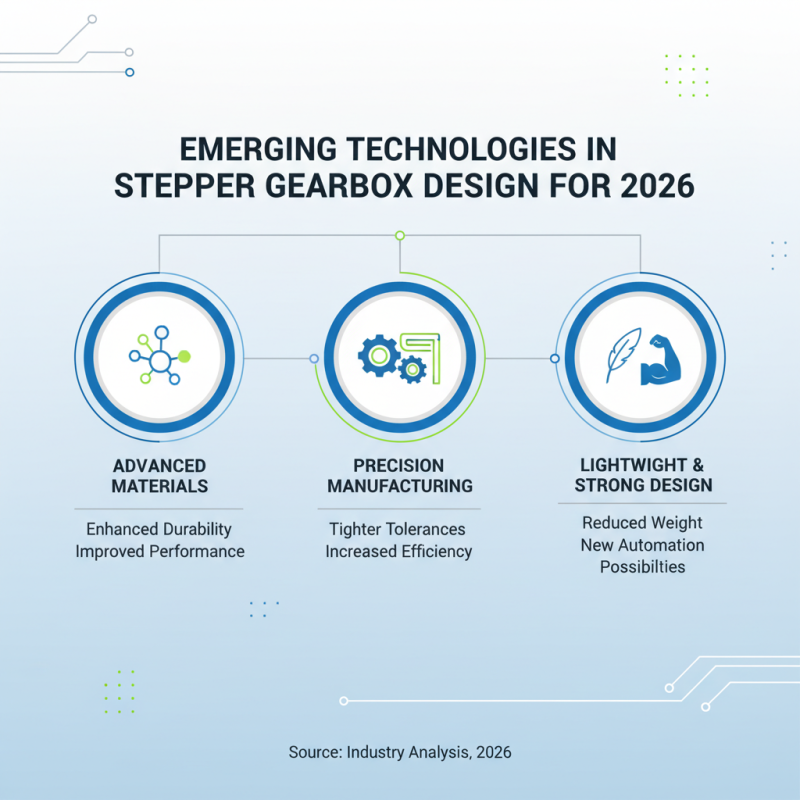
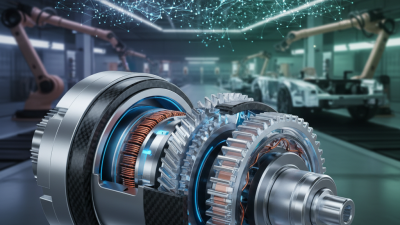
In recent years, stepper gearbox technology has evolved significantly. It now utilizes advanced materials that enhance durability and performance. New manufacturing processes allow for tighter tolerances. This change leads to improved efficiency in multiple applications. Designers are also focusing on reducing weight while maintaining strength. The trend towards lightweight stepper gearboxes can open up new possibilities in automation and robotics.
Emerging technologies are making an impact on stepper gearbox design. Additive manufacturing is one of them, enabling complex geometries that conventional methods cannot achieve. This can reduce the number of components, simplifying assembly. Moreover, integrated sensors in gearboxes are gaining attention. These sensors provide real-time data, enhancing control and precision. However, this technology may not be ready for all applications yet.
The rise of smart systems is influencing stepper gearbox applications too. Machine learning can optimize performance by analyzing data patterns. Yet, many engineers still face challenges in implementing these systems effectively. Understanding the balance between complexity and usability is key. The journey towards fully utilizing these technologies is ongoing, raising questions about adaptability and user readiness.
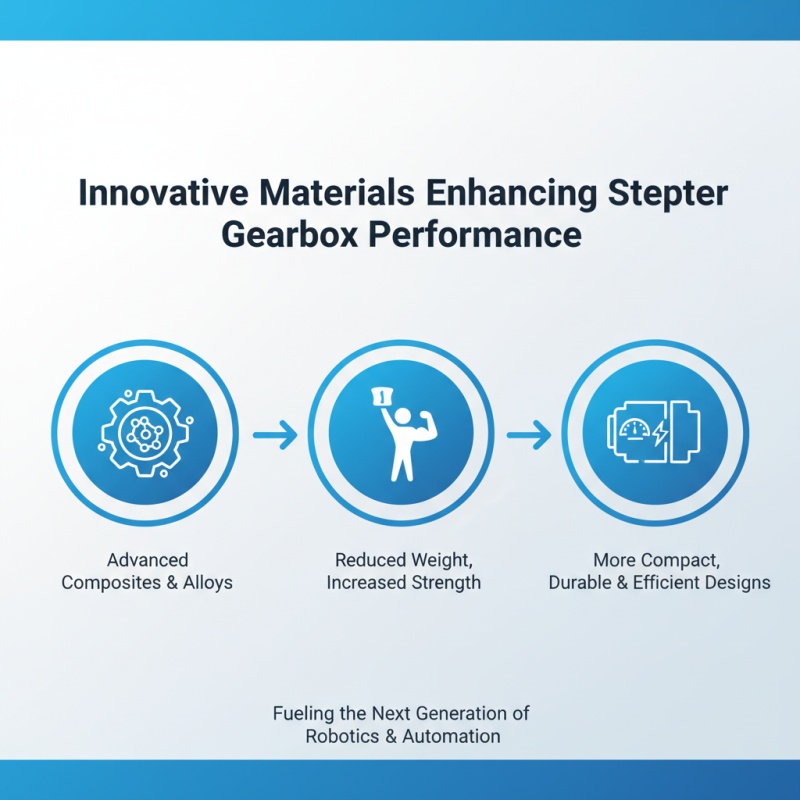
Innovative Materials Enhancing Stepper Gearbox Performance
The advancement of stepper gearbox technology is closely linked to innovative materials. These materials enhance performance, durability, and efficiency. Recent research highlights composites and alloys that reduce weight while increasing strength. Using lightweight yet sturdy materials, engineers can design more compact gearboxes.
Performance in demanding applications relies on these materials. For example, enhanced thermal conductivity can dissipate heat more effectively. This leads to longer operating times and reduced overheating risks. Using these advanced materials improves precision and responsiveness in high-speed environments.
**Tip:** Always consider the specific application when choosing materials. Not all innovations fit every scenario. Balancing weight and strength is crucial.
However, not every material proves ideal under all conditions. Different environments may challenge the integrity of even the most advanced composites. Conduct thorough analyses before implementation.
**Tip:** Regular testing is vital. Understanding how materials perform in real-world applications can prevent costly failures. Embrace a mindset of continuous improvement.
Real-Time Monitoring Systems for Stepper Gearboxes
Real-time monitoring systems are transforming the use of stepper gearboxes. These systems offer immediate insights into gearbox performance. Operators can track temperature, speed, and load in real-time. This data helps in identifying potential issues before they escalate. Such proactive measures enhance reliability and efficiency.
Integrating sensors within stepper gearboxes is gaining traction. These sensors provide valuable feedback about operational conditions. For instance, vibrations can indicate misalignment or wear. Timely detection allows for maintenance scheduling. However, implementing these technologies poses challenges. The complexity of data interpretation can overwhelm users. Moreover, there may be compatibility issues with existing systems.
Investing in training is crucial for effective use of real-time monitoring. Staff need to understand how to interpret data correctly. Misinterpretations can lead to unnecessary maintenance or overlooked issues. Continuous improvement is essential for maximizing performance. There is also a need for collaboration between engineers and software developers. This partnership can yield better monitoring solutions, enhancing overall reliability.
2026 Top Trends in Stepper Gearbox Technology
This chart illustrates the top trends in stepper gearbox technology for 2026, focusing on real-time monitoring systems and their impact score based on expected advancements in efficiency, design, integration, and cost reduction.
Applications of Stepper Gearboxes in Renewable Energy Sector
Stepper gearboxes are gaining traction in the renewable energy sector. These devices convert electric pulses into precise mechanical movements. They are particularly useful in wind turbines and solar tracking systems. Precision is crucial in maximizing energy efficiency. Stepper gearboxes enhance the accuracy of blade positioning and solar panel alignment. This results in improved energy output and performance.
The integration of stepper gearboxes in renewable technologies is not without challenges. Some systems may face difficulties in controlling speed and torque. Efficiency can sometimes drop under high loads. These issues necessitate further research and development. Innovative approaches are needed to refine gearbox designs. Each renewable project brings unique demands, indicating a need for customization and adaptability.
As the energy landscape evolves, expectations for stepper gearboxes also change. Increasingly, they must operate within a wide range of environmental conditions. This adds complexity but also opens doors for advancement. Continual learning in this field is essential. Understanding limitations is key to driving improvements in technology and application.
Future Trends in Automation and Robotics Utilizing Stepper Gearboxes
The future of automation and robotics is intertwined with innovations in stepper gearbox technology. These devices are key components in creating precise and efficient movements. As industries pursue higher efficiency, the role of stepper gearboxes grows more critical. They provide consistent torque and positioning accuracy in various applications. This reliability is essential for tasks ranging from 3D printing to robotic arms.
Tips: When selecting a stepper gearbox, consider the application requirements. Analyze the load conditions and motion accuracy needed. This helps in choosing the right type that fits your project.
An increasing trend is the integration of artificial intelligence with stepper motor systems. AI can optimize the performance of these systems. For instance, machine learning algorithms can predict maintenance needs. This anticipatory strategy reduces downtime in production. However, challenges remain in merging these technologies effectively. The learning curve can affect implementation efficiency.
Tips: Always test prototypes before full deployment. Use simulations to understand the system's limitations. This foresight can save resources and enhance project outcomes.