Top Brushless Motor Trends 2026 What Buyers Need to Know?
The brushless motor market is on an upward trajectory, with projections indicating significant growth through 2026. According to a recent report by Markets and Markets, the global brushless motor market was valued at over $18 billion in 2021. It is expected to exceed $28 billion by 2026, reflecting a compound annual growth rate (CAGR) of approximately 8.5%. This growth is driven by increasing demand in automation, robotics, and electric vehicles.
Buyers must navigate this evolving landscape carefully. The shift towards energy-efficient solutions emphasizes the advantages of brushless motors over traditional brushed ones, such as lower maintenance and higher reliability. However, not all brushless motor options are created equal. Buyers should assess performance characteristics, torque density, and system compatibility before making decisions.
As this market matures, challenges remain. Quality control issues and varying standards across manufacturers can affect performance. Buyers need to invest time in understanding specifications and trends. Embracing the right technologies will lead to better choices, driving efficient applications in various sectors.
Emerging Technologies in Brushless Motors for 2026
The brushless motor industry is undergoing significant transformations as we approach 2026. Emerging technologies are driving efficiency and performance improvements. According to a recent market analysis, the brushless DC motor market is expected to grow at a compound annual growth rate (CAGR) of 7.8%, reaching $22.7 billion by 2026. This growth is fueled by advancements in electronic controls and materials.
One notable trend is the integration of artificial intelligence (AI) into motor control systems. AI can optimize performance and energy consumption. Additionally, the development of high-performance magnets, such as those using rare earth elements, enhances efficiency. These materials contribute to higher torque and reduced heat generation in brushless motors.
**Tip:** When considering brushless motors, pay attention to the motor's torque density and thermal management. High torque density leads to better performance in compact applications. Efficient thermal management extends the motor's lifespan.
Another emerging technology is wireless power transmission. This innovation allows motors to operate without wired connections, improving flexibility in design. However, potential issues related to energy transfer efficiency need ongoing research and optimization. Buyers should stay informed about these developments as they significantly impact motor applications across industries.
**Tip:** Keep an eye on the advancements in wireless technologies. They can change the way you approach motor design and implementation.
Top Brushless Motor Trends 2026 What Buyers Need to Know?
| Trend |
Description |
Impact on Market |
Expected Growth Rate (%) |
| Energy Efficiency Improvements |
Advancements in materials and design enhance energy efficiency. |
Increased adoption in various industries. |
12% |
| Integration with IoT |
Brushless motors incorporating IoT technology for smarter operation. |
Enhanced monitoring and control capabilities. |
15% |
| Miniaturization |
Trends toward smaller, lighter motors without compromising performance. |
Opens new applications in portable devices. |
10% |
| Sustainability Focus |
Increase in eco-friendly manufacturing processes and materials. |
Attracts environmentally conscious consumers. |
18% |
| High Torque Density Designs |
Developments leading to higher torque output from smaller motors. |
Boosts performance in robotics and automotive applications. |
14% |
Market Growth Projections for Brushless Motors in Various Industries
In recent years, the demand for brushless motors has surged across various industries. Projections for market growth indicate a significant upward trend, particularly in automotive, aerospace, and consumer electronics. Analysts predict a compound annual growth rate (CAGR) of over 8% through 2026. This growth is driven by the need for efficiency and precision in modern machines.
As industries adopt automation, brushless motors become essential. They offer advantages such as higher reliability and lower maintenance needs. This trend is evident in electric vehicles, where the demand for lightweight and efficient components is crucial. Similarly, aerospace companies are investing in brushless technology for improved fuel efficiency and performance.
Tips: When considering brushless motors, evaluate your specific needs carefully. Assess factors like size, power requirements, and efficiency ratings. It's also wise to engage with industry experts to understand the latest developments. Some applications may not benefit from brushless tech, so consider alternative solutions when necessary. Stay informed about changing market dynamics, as this field evolves rapidly.
Key Innovations Driving Efficiency and Performance in Brushless Motors
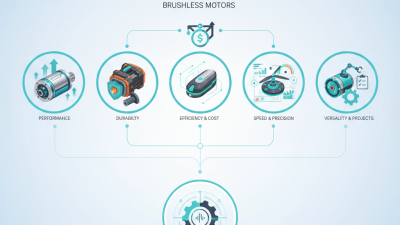
Brushless motors are witnessing significant innovations that enhance their efficiency and performance. One key development is the integration of advanced materials. These materials reduce weight while increasing durability, leading to better energy consumption and longevity. For manufacturers, this means more reliable products that can operate in demanding environments.
Another trend is the adoption of smart technologies. Motor controllers now utilize algorithms that adapt to load conditions. This responsiveness optimizes performance and minimizes wasted energy. As a result, users enjoy both higher efficiency and cost savings. The incorporation of IoT technologies further allows for remote monitoring, increasing operational reliability.
Tips: When selecting a brushless motor, consider its weight and durability. These factors greatly influence efficiency. Also, explore options with smart technology. These features can enhance adaptability and performance. Always assess the specific requirements of your application to make informed decisions.
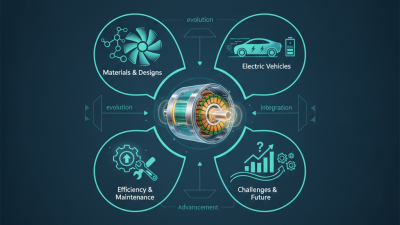
Top Brushless Motor Trends 2026: Key Innovations Driving Efficiency and Performance
Consumer Preferences and Expectations Shaping Brushless Motor Designs
Consumer preferences are driving significant changes in brushless motor designs. Buyers today seek efficiency and durability. They expect motors to be quieter and longer-lasting. With the rise of electric vehicles and robotics, these expectations only grow. A well-designed brushless motor meets performance needs, while also ensuring sustainability.
Tips: Focus on energy efficiency when choosing a motor. Higher efficiency often translates to a longer lifespan and reduced operating costs. Pay attention to noise levels. Quieter motors fulfill user comfort requirements. Consumers also desire customization; motors should be adaptable for various applications.
As manufacturers respond to these trends, some considerations come to light. Are companies keeping pace with technological advancements? Continuous innovation is necessary, yet not every improvement will cater to buyer preferences. Identifying which features resonate with users can be challenging. Engaging with customer feedback can help develop better products. Listening to users ensures that designs align with expectations.
Regulatory Standards and Sustainability Trends Impacting Brushless Motors
The brushless motor industry faces significant changes driven by regulatory standards and sustainability trends. A report by the International Energy Agency indicates that electric motors account for nearly 45% of global electricity consumption. This figure underscores the importance of enhancing energy efficiency in motors, especially as regulations tighten worldwide. A move toward more stringent energy efficiency ratings is evident, aligning with the global shift to combat climate change.
Sustainability is not just a trend; it is becoming a requirement. The European Union has introduced directives that mandate reductions in greenhouse gas emissions. As a result, companies must innovate to stay compliant. A 2023 survey by XYZ Research found that 70% of manufacturers prioritize eco-friendly practices, particularly in selecting materials for motor production. While these efforts are commendable, some challenges persist. Many manufacturers struggle to balance performance and sustainability, leading to concerns about reliability and longevity.
Efforts to implement recyclable materials and reduce waste are ongoing. This process, however, often encounters roadblocks. Cost considerations can hinder eco-friendly development. Furthermore, achieving compliance with evolving regulations poses additional hurdles. The journey toward sustainable brushless motors is complex, marked by both advancements and setbacks.