2026 Top Brushless Motor Trends and Innovations to Watch?
As we look ahead to 2026, the landscape of Brushless Motor technology is evolving rapidly. Innovations are redefining performance standards. Brushless Motors are becoming integral in various industries. Their efficiency and reduced maintenance needs are compelling advantages that drive their adoption.
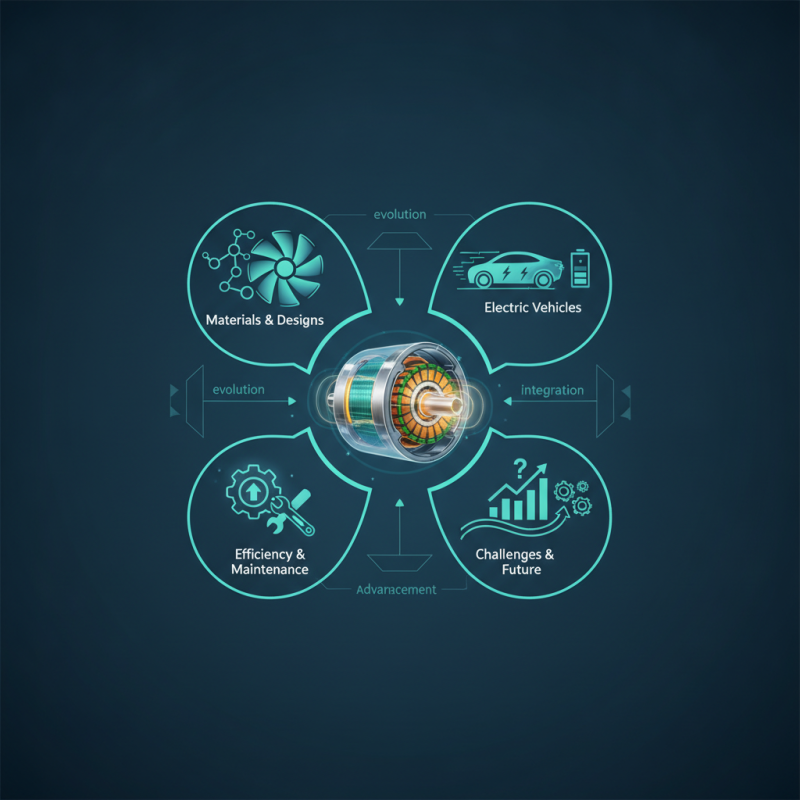
The trends we will explore include advancements in materials and designs. These improvements enhance energy efficiency and reduce noise levels. As electric vehicles gain traction, Brushless Motors play a crucial role. Their lightweight design and high efficiency contribute significantly to longer battery life.
However, there remain challenges to consider. The transition to newer technologies requires significant investment. Additionally, performance consistency in diverse conditions remains a topic for improvement. Observing these trends reveals the dynamic nature of Brushless Motors. Staying updated is essential for industry leaders and enthusiasts alike.
Emerging Trends in Brushless Motor Technology for 2026
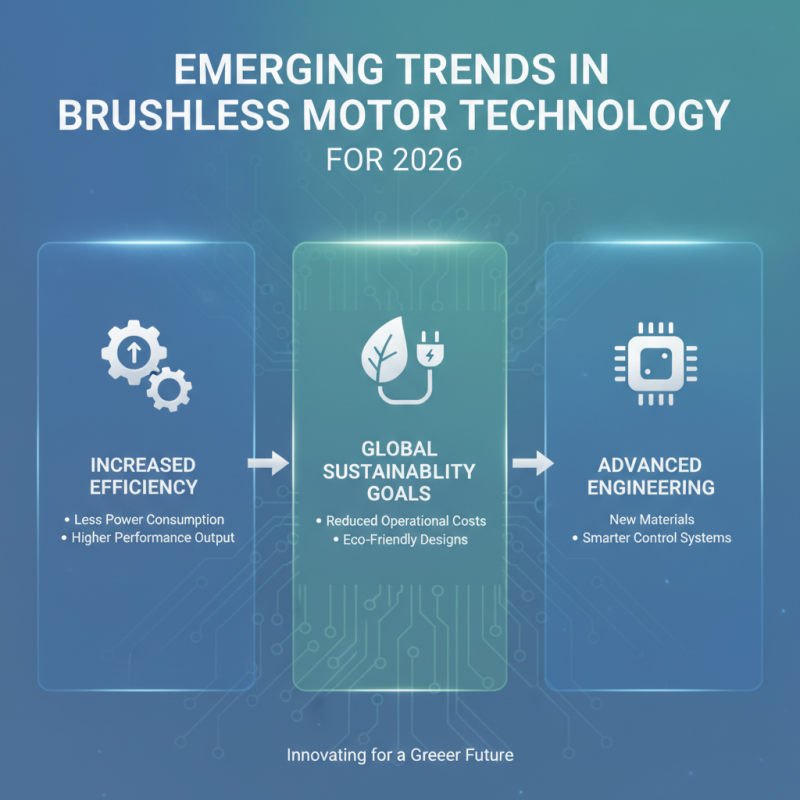
As we look ahead to 2026, the brushless motor industry is witnessing significant transformation. One of the most notable trends is the increased focus on energy efficiency. Engineers are developing motors that consume less power while delivering higher performance. These advancements not only reduce operational costs but also support global sustainability goals.
Another emerging trend is the integration of smart technology. Brushless motors are becoming more connected, allowing for real-time monitoring and diagnostic capabilities. This innovation enables predictive maintenance, which can minimize downtime. Manufacturers are working to refine these features, but challenges remain around ensuring reliability and user-friendly interfaces.
Additionally, miniaturization is a key area of innovation. Smaller brushless motors are essential for compact devices like drones and wearable tech. However, making them powerful enough to perform effectively poses engineering challenges. The industry is actively researching new materials and design techniques to address these issues. As the landscape evolves, professionals must remain adaptable and continually seek improvement opportunities.
Key Innovations Driving Brushless Motor Efficiency and Performance
Brushless motors are gaining attention due to their innovative designs. In 2026, significant advancements are expected to improve efficiency and performance. One key area is enhanced materials. New composites can reduce weight while increasing strength. This integration often leads to better thermal management, which is crucial for high-performance applications.
Another exciting trend is the use of advanced algorithms for motor control. These algorithms can optimize power consumption. They adapt to different loads and improve efficiency. This kind of smart technology allows motors to perform better in varied conditions, providing users with a more reliable experience.
Tips: Look for motors with adaptive control systems. They often offer better performance in dynamic environments. It's also wise to consider the weight-to-power ratio. A lighter motor might reduce overall system weight, enhancing mobility and performance.
As the industry continues to evolve, reflections on sustainability are crucial. The rush for innovation should not overshadow environmental impacts. Balancing performance gains with eco-friendly practices is vital for a responsible future in motor technology.
Impact of IoT and Smart Features on Brushless Motor Design
The IoT revolution is reshaping brushless motor design significantly. The integration of smart features is enhancing performance and efficiency. According to a recent market report, the brushless motor market is expected to grow by over 13% annually through 2026. This growth is fueled by the rising demand for automation in various industries.
Smart features, like remote monitoring, have become essential. Sensors embedded within brushless motors provide real-time data. These sensors track operational parameters, allowing for predictive maintenance. This innovation reduces downtime and extends motor life. Data from McKinsey suggests that predictive maintenance can reduce overall maintenance costs by up to 25%. However, this shift also raises questions about data security and system vulnerabilities.
Moreover, the design complexity is increasing. Engineers must balance performance with smart integration. Users are also demanding devices that are easier to operate and more efficient. This trend may lead to compromises in motor robustness. The industry must continuously adapt to these challenges to meet evolving consumer expectations while ensuring reliability and functionality.
Sustainability and Environmental Considerations in Brushless Motors
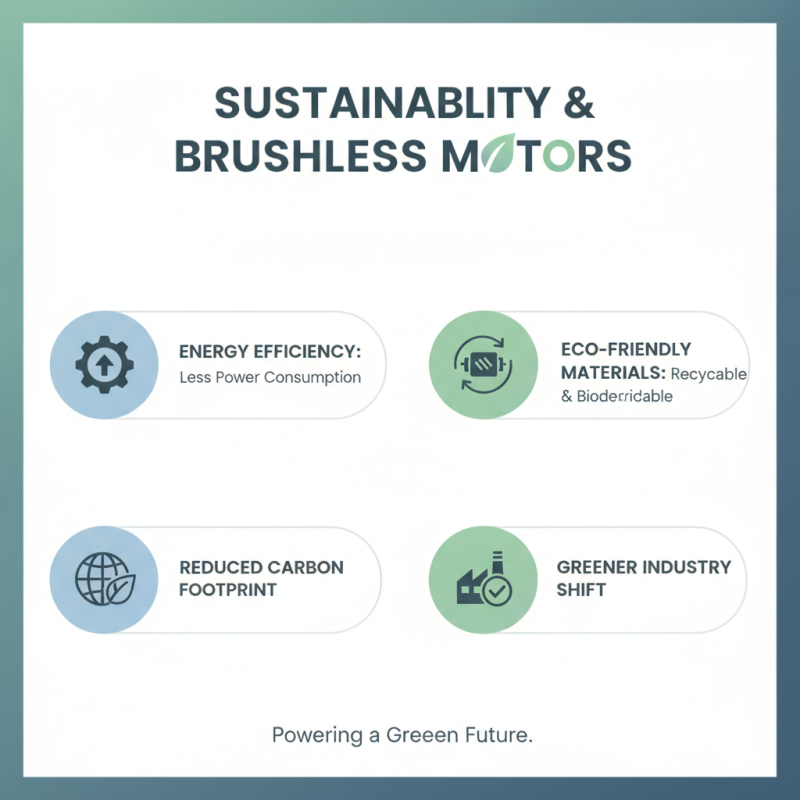
Brushless motors are gaining attention for their sustainability. They consume less energy compared to traditional motors, which is a significant benefit. The reduced carbon footprint is crucial as industries shift toward greener practices. Many manufacturers are focusing on materials that are recyclable or biodegradable.
Adopting brushless technology poses challenges. Production processes can still rely on non-renewable resources. This raises questions about the overall environmental impact. Furthermore, the lifespan of these motors must be considered. While they tend to last longer, eventual disposal remains an issue. Finding ways to recycle or repurpose components is key.
Innovation in design can address some of these concerns. Advanced manufacturing methods can reduce waste and energy use. Developing more efficient cooling systems can enhance performance, leading to less energy consumption. As industries push for sustainable solutions, the transformation of brushless motors is imperative. Balancing innovation with environmental responsibility will define the future of this technology.
Future Applications of Brushless Motors Across Industries in 2026
In 2026, brushless motors are set to revolutionize various industries. The demand for energy efficiency is driving innovation in these technologies. Automotive applications are particularly noteworthy, with electric vehicles utilizing advanced brushless motors for improved performance. These motors offer smoother operation and enhanced torque, essential for modern transportation needs.
The robotics sector is also embracing brushless motors. Precision and reliability are critical here. These motors provide the necessary control for robotic arms and autonomous systems. Their lightweight design contributes to better mobility, helping robots perform complex tasks in manufacturing and healthcare. However, challenges remain in integrating these motors into existing systems, which requires thoughtful engineering.
In consumer electronics, brushless motors will enhance everyday devices. From power tools to home appliances, their efficiency will lead to longer operational life. Yet, as industries adopt these innovations, ensuring interoperability with older technologies can pose issues. Future developments must address these potential difficulties, highlighting the need for collaboration across sectors.
2026 Top Brushless Motor Trends and Innovations to Watch
| Trend/Innovation |
Industry Application |
Projected Growth (%) |
Key Features |
| Increased Energy Efficiency |
Automotive |
15% |
Reduced energy consumption and enhanced range. |
| Integration with IoT |
Manufacturing |
20% |
Real-time monitoring and predictive maintenance capabilities. |
| Miniaturization |
Consumer Electronics |
25% |
Smaller size while maintaining performance. |
| Advanced Cooling Techniques |
Aerospace |
18% |
Improved thermal management for high-demand applications. |
| AI-Powered Control Systems |
Robotics |
22% |
Enhanced precision and adaptability in operations. |