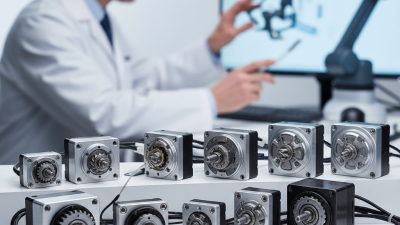
Top 10 Stepper Gearbox Options for Global Buyers Insights?
In today's rapidly evolving manufacturing landscape, the importance of choosing the right Stepper Gearbox cannot be overstated. Industry reports indicate that the global stepper motor market is projected to grow significantly, with an expected compound annual growth rate (CAGR) of 7.5% by 2026. This surge highlights the rising demand for precision and reliability in various applications, ranging from robotics to industrial automation.
According to Dr. Emily Chen, a leading expert in motion control systems, "A high-quality Stepper Gearbox can enhance the efficiency of your machinery and significantly reduce operational costs." This statement underscores the critical role that stepper gearboxes play in optimizing performance. As buyers navigate their options, understanding the technical specifications and the reputability of manufacturers becomes essential.
However, selecting the right Stepper Gearbox isn't without its challenges. With a myriad of choices flooding the market, buyers often encounter issues related to compatibility and efficiency. It's imperative for global buyers to analyze products on factors including durability and service support. Only then can they make informed decisions that align with their operational needs and future goals.
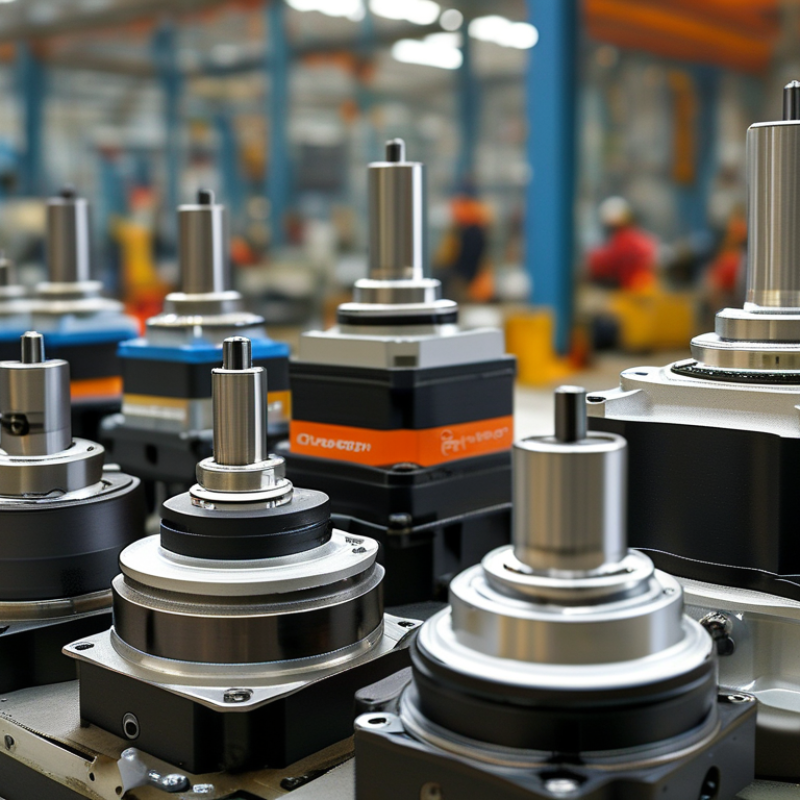
Top Considerations for Choosing a Stepper Gearbox for Precision Applications
Choosing a stepper gearbox for precision applications is crucial. Optimal performance depends on several factors. Load capacity is one of the top considerations. You need to match the gearbox with the application's specific demands. Understand the torque requirements for your project. This affects both the gearbox's efficiency and lifespan.
Another important aspect is the gear ratio. A higher gear ratio provides greater torque but may sacrifice speed. In contrast, a lower ratio can enhance speed but limits torque. It's essential to strike a balanced ratio suited to your application. Thoughtful calculations can prevent potential inefficiencies.
Finally, consider the gear material and design. High-quality materials will ensure durability and reliability over time. However, some designs may not be suitable for specific applications. Experimentation and testing can expose weaknesses in particular setups. Pay attention to these nuances before finalizing your decision.
Top 10 Stepper Gearbox Options for Global Buyers Insights
| Model |
Gear Ratio |
Max Torque (Nm) |
Backlash (arc min) |
Weight (kg) |
Price Range (USD) |
| Model A |
1:10 |
0.5 |
10 |
1.2 |
100-150 |
| Model B |
1:20 |
0.75 |
8 |
1.5 |
120-180 |
| Model C |
1:30 |
1.0 |
5 |
1.8 |
150-250 |
| Model D |
1:40 |
1.2 |
7 |
2.0 |
200-300 |
| Model E |
1:50 |
1.5 |
4 |
2.5 |
250-350 |
| Model F |
1:60 |
1.7 |
6 |
3.0 |
300-400 |
| Model G |
1:70 |
2.0 |
9 |
3.5 |
350-450 |
| Model H |
1:80 |
2.5 |
3 |
4.0 |
400-500 |
| Model I |
1:90 |
3.0 |
12 |
4.5 |
500-600 |
| Model J |
1:100 |
3.5 |
4 |
5.0 |
600-700 |
Market Analysis: Global Demand for Stepper Gearboxes in Various Industries
The demand for stepper gearboxes is rising globally, driven by various industries. These gearboxes are crucial for precision motion control. They find applications in robotics, automation, medical devices, and manufacturing. Each industry has unique requirements that influence the type of stepper gearbox utilized.
In robotics, high precision and efficiency are non-negotiable. Manufacturers focus on gearboxes that deliver consistent performance. However, many still struggle with heat management and noise reduction. This can affect overall system reliability. In automation, scalability is a key factor. Industries need gearboxes that can adapt to changing workloads without compromising accuracy.
Medical devices require extreme reliability and compact design. Stepper gearboxes in this sector must meet stringent regulatory standards. Despite advancements, some manufacturers face challenges in achieving the necessary certifications. Market analysis shows that the demand continues to grow, but improvements are needed in supporting technologies. Global buyers must stay informed to navigate this evolving landscape.
Key Technical Specifications Influencing Stepper Gearbox Performance
When selecting a stepper gearbox, several key technical specifications play a vital role in performance. Torque rating is one of the primary factors. A higher torque rating indicates a gearbox can handle heavier loads. This is particularly essential in applications requiring precision control, such as robotics or CNC machinery. Buyers must also consider the gear ratio. A lower ratio provides greater speed but can compromise torque.
Another important specification is the step angle. Smaller step angles result in finer resolution and better motion control. This is crucial for tasks that demand high accuracy. An important aspect to examine is the backlash. Low backlash improves positioning accuracy, though it can be difficult to achieve. Buyers often overlook this.
Durability and material used in construction matter too. Metal gears generally last longer than plastic ones. However, plastic gears can reduce weight. Evaluating the materials helps in selecting a gearbox that meets both performance and longevity needs. Performance varies widely, and it's essential for buyers to reflect on their specific requirements. Thoughtful consideration of these aspects leads to better purchasing decisions.
Comparison of Leading Brands: Features and Pricing Insights
When evaluating stepper gearboxes, various brands stand out for their unique features and pricing structures. A key consideration is the torque-to-speed ratio offered by each brand. Some units provide high torque at lower speeds, ideal for precision applications. Others lean towards higher speeds, catering to dynamic environments. Buyers must weigh these characteristics against their specific operational needs, as a mismatch can lead to inefficiencies.
Pricing strategies vary significantly among manufacturers. Some brands offer competitive pricing, appealing to budget-conscious buyers. Higher-end models often justify their cost with advanced tech and durable materials, promising longer lifespan and reliability. However, the value derived from such investments should be carefully assessed. Users might find themselves paying a premium for enhancements they may not utilize fully.
Quality assurance and customer support are equally important factors. Some companies excel in providing post-purchase services and warranties, ensuring buyers feel secure in their investment. On the flip side, certain brands lack in these areas, leaving customers with challenges later. An informed buyer should always consider both the functional aspects and the support framework surrounding their stepper gearbox options.
Top 10 Stepper Gearbox Options - Features and Pricing Insights
This chart displays a comparison of key features and price ranges of the top 10 stepper gearbox options available in the market. The bars indicate the average price in USD, while the line represents the average torque output in Nm.
Future Trends in Stepper Gearbox Technology and Market Growth Predictions
The stepper gearbox market is evolving. Recent reports predict a compound annual growth rate (CAGR) of over 8% through 2028. This growth reflects advancements in automation and robotics applications. Industries are investing heavily in precision movement technologies. Stepper gearboxes play a crucial role in enhancing machinery performances and efficiency.
Shifting trends indicate a growing demand for compact and lightweight gearbox designs. These designs significantly reduce the overall size of automated systems. With miniaturization, engineers are challenged to ensure power and durability. Innovations in materials, such as composites and high-strength alloys, are essential. These changes can lead to cost reductions in production.
Furthermore, the integration of smart technologies is becoming mainstream. Predictive maintenance tools are enhancing reliability. Yet, not all manufacturers adopt these innovations at the same pace. Gaps in technology adoption may widen between leading and emerging companies. Addressing these discrepancies can be crucial for global competitiveness. The evolution of stepper gearbox technology will continue to shape industries worldwide.