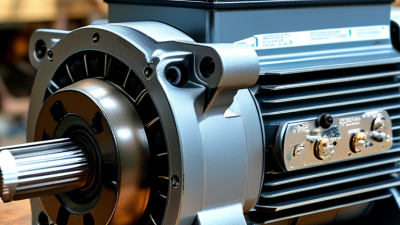
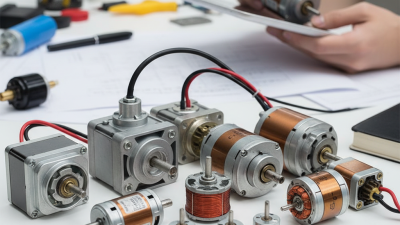
Top Magnet Dc Motor Features Benefits and Applications?
Magnet DC motors have become essential in various industries due to their efficiency and versatility. According to Dr. Emily Grant, a leading expert in motor technology, “The advancements in Magnet DC Motor designs significantly enhance performance and durability.” This statement reflects the growing importance of these motors in today’s applications.
These motors utilize permanent magnets, leading to improved efficiency and reduced energy consumption. Their compact size allows for easy integration into diverse systems, from small appliances to industrial machinery. Dr. Grant further notes how these motors have revolutionized electric vehicles, enabling smoother operations and longer battery life.
Despite their advantages, some challenges remain. Proper selection and maintenance of Magnet DC Motors can be tricky. Users must ensure compatibility with specific applications to avoid performance issues. Awareness and understanding are key to maximizing the benefits of these innovative motors.
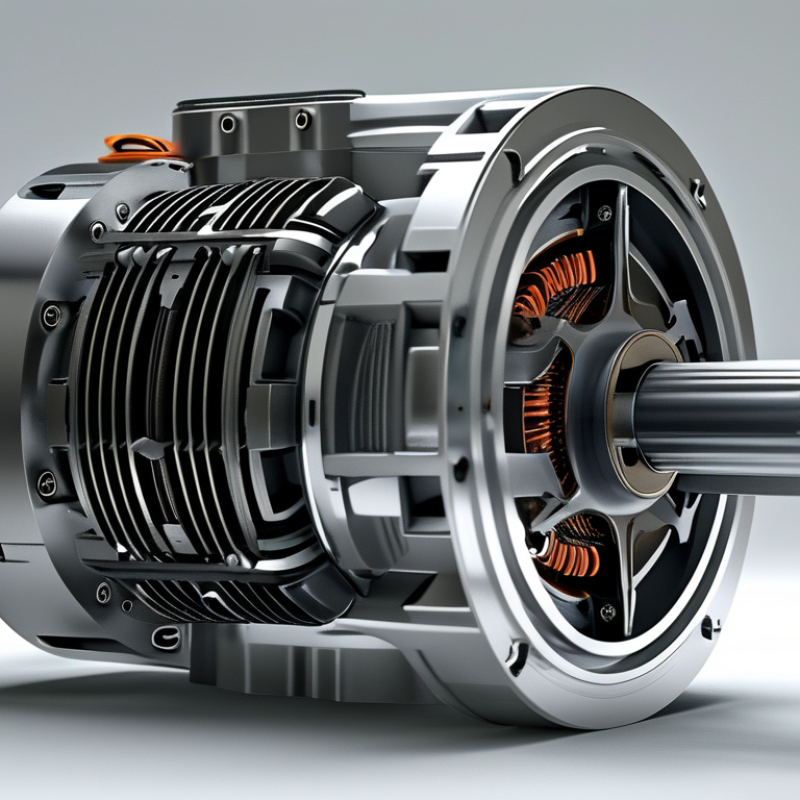
Top Features of DC Magnet Motors
DC magnet motors are known for their unique features, making them popular in various industries. One significant characteristic is their simplicity in design. Fewer parts mean less chance of failure. Additionally, they provide high torque at low speeds. This is particularly useful in applications where precision is essential.
Another important feature is their ability to operate under different load conditions. They can adapt effectively to varying demands without significant loss in performance. The compact size of DC magnet motors allows for easy integration into tight spaces. Their lightweight nature also reduces the overall weight of machinery.
However, there are aspects worth considering. Maintaining consistent performance can be a challenge in extreme temperatures. Environmental factors can affect their lifespan. Users should evaluate these motors' robustness against specific operational conditions. Selecting the right motor requires careful consideration of both performance and environmental demands.
Advantages of Using DC Magnet Motors
DC magnet motors are increasingly popular for various applications. They offer distinct advantages that make them a preferred choice in many industries. One of the standout benefits is their efficiency. These motors convert electrical energy into mechanical energy with minimal loss, which improves overall performance. Their simple design also contributes to reduced maintenance needs, saving time and costs in the long run.
Another key advantage is their precise control. DC magnet motors can achieve accurate speed and torque adjustments. This capability is crucial for applications requiring high precision, like robotics and automation. The reliability of these motors is another appealing aspect. When properly maintained, they can operate smoothly for extended periods without significant wear. However, users should be aware that environmental factors may impact their performance.
Tips: When selecting a DC magnet motor, consider the required torque and speed specifications. Choose a motor that meets your needs without exceeding capacity. Regular inspections can help identify potential issues early. Consider the installation environment, as dust or moisture can affect motor longevity.
Common Applications of DC Magnet Motors
DC magnet motors are increasingly popular across various industries due to their unique features. These motors are known for
high efficiency, compact size, and
reliable performance. Common applications include
electric vehicles, robotics, and industrial machinery. According
to data from the International Energy Agency, the use of electric motors in transport has grown significantly, showing their
relevance in modern applications.
In electric vehicles, DC magnet motors provide high torque at low speeds. This makes them ideal for driving systems that
require precise control. A report from the U.S. Department of Energy highlights that electric vehicles are expected to
make up a substantial portion of the automotive market by 2030. Their
lightweight nature also enhances vehicle efficiency, which is crucial for reducing energy consumption.
Tip: When selecting a DC motor, ensure to consider
operating conditions. Factors like temperature and load can affect performance. A deeper understanding of these parameters
can prevent future issues. It's essential to continuously evaluate motor performance in
real-world applications, as theoretical data may not always align with practical
outcomes.
DC magnet motors also find applications in robotics. They enable smooth and accurate movements in robotic arms and automated
systems. As automation grows, these motors will continue to play a vital role. It's worth noting that while DC motors are
versatile, optimizing their design for specific tasks can be challenging. Careful analysis and testing are often necessary
to achieve the best results.
Comparison with Other Motor Types
When evaluating different motor types, the DC magnet motor stands out, particularly in terms of efficiency and torque. Unlike AC motors, which often require complex starting mechanisms, DC magnetic motors provide instantaneous torque. This characteristic makes them suitable for precise applications like robotics and electric vehicles, where responsiveness is crucial. Industry reports indicate that DC motors can achieve up to
90% efficiency under optimal conditions, making them a smart choice in energy-conscious environments.
Comparatively, AC motors are generally more robust at larger scales but often suffer from lower efficiency at smaller powers. In fact, a recent study from the International Electromechanical Conference noted that DC motors outperform AC in applications requiring variable speed and high torque. Nevertheless, they aren’t immune to challenges. Brush wear in brushed DC motors can lead to maintenance issues, which can discourage their use in long-term projects. Considering these complexities, the selection of the right motor should be based on specific application needs, balancing performance against potential maintenance requirements.
Maintenance and Care for DC Magnet Motors
DC magnet motors are widely used in various applications, from small devices to industrial machinery. However, they require regular maintenance to ensure optimal performance. A key aspect of care involves keeping the motor clean. Dust and debris can hinder operational efficiency. Over time, these contaminants can lead to overheating, affecting motor lifespan.
Another critical maintenance task is checking the lubrication. Proper lubrication minimizes friction between moving parts. Insufficient lubrication can cause wear and tear, leading to potential failures. It's essential to use the right type of lubricant. Regular inspections can help identify issues before they escalate.
Vibration is another factor to monitor. Excessive vibration may indicate misalignment or bearing wear. Both problems can cause significant damage if neglected. Addressing these concerns promptly can extend the motor's operational life. Keeping accurate maintenance records is also recommended. This practice aids in tracking performance trends and identifying recurring issues.
Top Magnet DC Motor Features, Benefits and Applications
| Feature |
Benefit |
Application |
| High Efficiency |
Lower energy consumption |
Electric Vehicles |
| Compact Design |
Space-saving installation |
Robotics |
| Durable Construction |
Longer lifespan |
Industrial Machinery |
| Low Noise Operation |
Enhanced user comfort |
Office Equipment |
| High Torque |
Powerful performance |
Conveyor Systems |
| Easy Speed Control |
Improved application flexibility |
Fans and Pumps |
| Maintenance-Free |
Reduced downtime |
Consumer Electronics |