How to Choose the Right Planetary Gearbox for Your Needs?
Choosing the right planetary gearboxes is crucial for achieving optimal performance in your machinery. These gearboxes offer unique advantages, such as high torque density and compact design. However, selecting the wrong gearbox can lead to inefficiencies and operational issues.
There are various factors to consider. Load capacity, input speed, and application environment all play vital roles. Understanding these aspects can be challenging. Many people overlook the importance of fitting a gearbox to specific needs. This often results in costly mistakes, which highlight the necessity for informed decision-making.
Moreover, consulting with industry experts can provide valuable insights. Engaging with professionals ensures that you avoid common pitfalls. Their experience can guide your choice towards the most reliable planetary gearbox. Consider every detail carefully to maximize the potential of your applications.
Understanding the Basics of Planetary Gearbox Functionality and Design
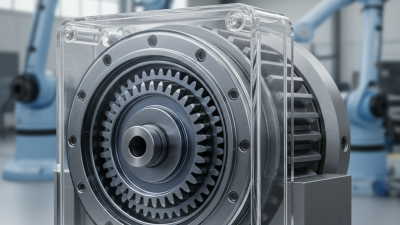
When selecting a planetary gearbox, understanding its functionality and design is crucial. Planetary gearboxes consist of a central sun gear, planet gears, and a ring gear. This arrangement allows for high torque and compact design, making them popular in various applications, from robotics to automotive engineering. According to industry reports, the planetary gearbox market is projected to achieve significant growth, with a CAGR of over 6% through 2027.
Consider your application carefully. Gear ratios, load capacity, and efficiency are essential factors. The gear ratio influences speed and torque output. A higher gear ratio increases torque but reduces speed. Podcasts and forums often highlight user experiences that provide insights not found in specifications. Empirical data supports these discussions, indicating that the right ratio can improve performance by over 30%.
Tip: Ensure you account for thermal performance in your choice. Heat can impact efficiency and lifespan. Review temperature ratings provided by manufacturers.
Another important aspect is the material used in the gearbox. Materials like aluminum offer lightweight advantages, while steel provides higher durability. However, steel gearboxes can increase weight, potentially affecting mobile applications. Reflect on what is more important for your design—weight or durability?
Tip: Prototype before full-scale deployment. Real-world testing can reveal unexpected challenges. It’s common for designs to require adjustments after initial trials.
Identifying Your Application Requirements for Optimal Gearbox Selection
When selecting a planetary gearbox, understanding your application requirements is crucial. Factors such as load capacity, input speed, and precision dictate the gearbox type needed. According to a recent report by Market Research Future, approximately 60% of failures in gearboxes stem from inappropriate selections. This emphasizes the importance of thorough assessment before purchase.
Consider the nature of your application. Is it continuous operating mode or intermittent? Evaluate the torque needed as well. High torque applications often require gearboxes with superior materials and designs. A poor match may lead to overheating or mechanical failure.
**Tip:** Always calculate the maximum load your gearbox will face. This is often the best way to ensure long-term performance and reliability.
Another important detail is the environment where the gearbox will operate. Harsh or fluctuating temperatures may impact performance. Adapting to these conditions can prolong the lifespan of your gearbox.
**Tip:** Look into gearboxes that offer customizable options to suit your specific environment. This can help minimize the risk of operational issues.
Ultimately, identifying precise application requirements will guide you toward the optimal gear solution. This preventative approach reduces potential misalignments and inefficiencies.
Comparison of Gearbox Types for Different Applications
Evaluating Gearbox Specifications: Torque, Speed, and Efficiency Metrics
Selecting a planetary gearbox requires careful analysis of its specifications, particularly torque, speed, and efficiency metrics. Torque is a critical factor. A higher torque rating indicates the gearbox can handle greater forces. Many industry reports suggest that industrial applications often require gearboxes with torque ratings exceeding 200 Nm. This ensures reliable operation even under varying loads.
Speed ratings are equally crucial. Gearboxes are often rated for output speeds between 100 to 10,000 RPM. Depending on your application, such as robotics or conveyor systems, you'll need to match the gearbox's speed capabilities to your system's requirements. Efficiency metrics, generally expressed as a percentage, can vary from 85% to 95%. An efficient gearbox minimizes energy loss, but achieving high efficiency may require a higher initial investment.
When evaluating these specifications, it's necessary to reflect on your specific needs and potential compromises. Often, higher torque may result in lower efficiency. Balancing these factors can be challenging. Additionally, overestimating speed requirements can lead to equipment malfunction. Data shows that 30% of gear failures stem from mismatched specifications. A careful examination of your unique application will guide you to the right choice, despite the complexities involved.
Comparing Different Planetary Gearbox Types and Their Performance Characteristics
When selecting a planetary gearbox, understanding different types is essential. There are several categories, each with unique performance characteristics. For example, the classic three-stage design is known for high torque and efficiency. However, it may not suit applications requiring high speed. Choosing the wrong type can lead to inefficiency and unwanted noise.
Another consideration is the gearbox's material composition. Some are made from metal, while others use plastic components. Metal gearboxes tend to be more durable but are also heavier. This weight can affect the overall system design. Plastic options are lighter but could wear out faster under heavy loads. Understanding your application’s specific requirements can help narrow down the choices.
You might also encounter variations in gear ratios. Higher ratios increase torque but can reduce speed. Conversely, lower ratios offer faster speeds at the cost of some torque. This balance is crucial in applications like robotics or CNC machines, where precision is vital. Analyzing these factors can lead to a more suitable, well-rounded choice. Always consider the trade-offs to ensure optimal performance.
Assessing Cost-Effectiveness and Longevity in Planetary Gearbox Choices
When selecting a planetary gearbox, understanding cost-effectiveness and longevity is essential. Reports indicate that maintenance costs can account for up to 30% of the total lifespan costs of industrial equipment. A gearbox may seem economical at the initial purchase. However, it’s crucial to evaluate the long-term implications.
Longevity often hinges on the materials used in construction. High-quality steel can enhance durability, potentially increasing a gearbox's lifespan by up to 50%. Additionally, operational conditions impact longevity significantly. For example, extreme temperatures can lead to premature wear, indicating that users should assess their specific operational environments.
The balance between cost and durability is not straightforward. A less expensive option may have lower performance under stress, leading to more frequent replacements. Conversely, an investment in a reliable gearbox can yield better efficiency and reduced downtime, ultimately proving more cost-effective over time. Users should closely analyze detailed performance metrics and maintenance records before making a decision. This approach ensures that the chosen gearbox aligns with their requirements while maintaining optimal operational performance.