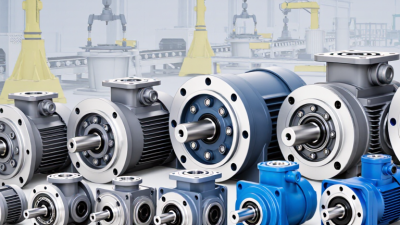
7 Best Helical Geared Motors for Global Buyers?
Choosing the right Helical Geared Motor is rarely a simple price comparison. Global buyers must examine torque, speed, efficiency, noise, mounting design, and service support together. A motor that performs well in a German packaging line may not suit a dusty grain conveyor in Brazil. Application details matter.
This guide reviews seven strong options for international purchasing teams. The selection focuses on practical performance, proven construction, energy use, control compatibility, and supplier reliability. Each motor should be judged against the actual duty cycle, not only its catalogue rating. Continuous loads, frequent starts, washdown exposure, and limited installation space can change the best choice.
Look closely at the gearbox housing. Check the shaft seal. Ask about testing.
Reliable manufacturers should provide clear datasheets, efficiency information, dimensional drawings, and traceable quality procedures. Buyers should also confirm voltage, frequency, certifications, spare-part availability, warranty terms, and delivery capabilities before placing an order. Regional technical support can prevent small alignment problems from becoming expensive downtime.
No shortlist is perfect. Product availability changes, and supplier claims require verification. A lower purchase price may conceal weaker bearings, longer lead times, or difficult maintenance. Conversely, a premium model may offer unnecessary features for a light-duty application. The recommendations ahead are intended as a practical starting point, supported by engineering criteria and real purchasing concerns. Your final decision should still reflect site conditions, local requirements, and advice from a qualified motor specialist.
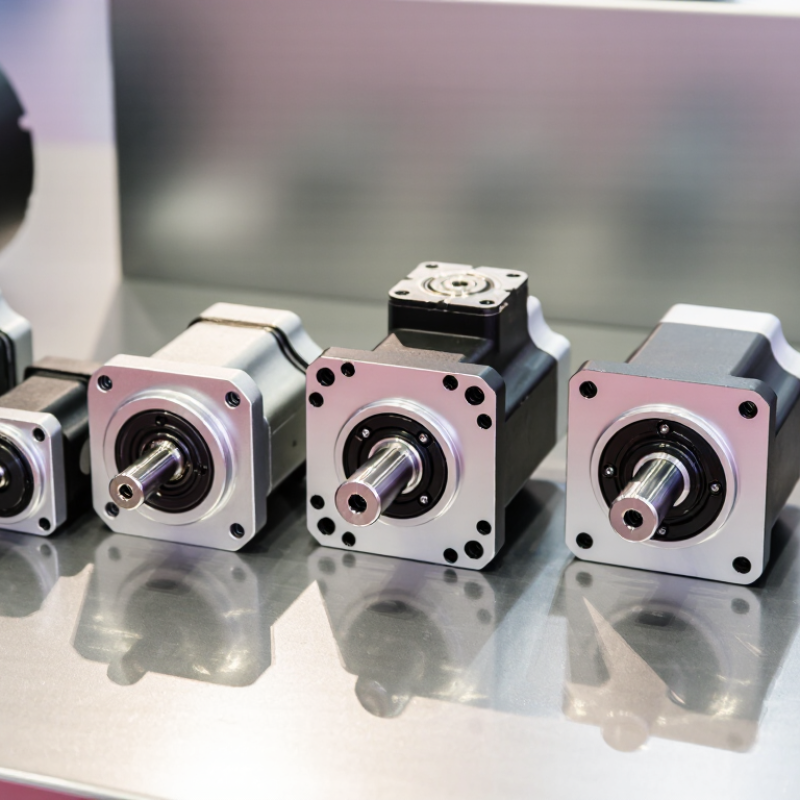
What Is a Helical Geared Motor and How Does It Work?
A
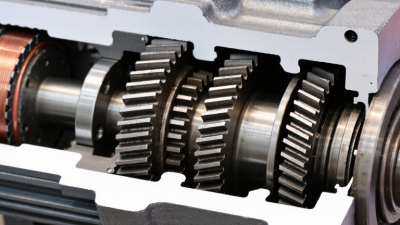
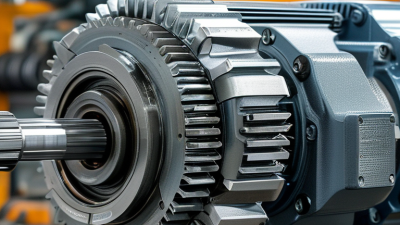
helical geared motor combines an electric motor with a helical gearbox. Its angled teeth engage gradually, spreading load across several contact points. This produces smoother torque, lower noise, and better shock resistance than many straight-tooth designs. In a factory, it may drive a conveyor carrying cartons, with the motor turning quickly while the gearbox delivers slower, stronger rotation.
The operating principle is simple but not effortless. The motor creates rotational force. Helical gears reduce speed and multiply torque. Bearings support the shafts, while oil or grease controls heat and wear. Typical industrial units achieve approximately 94% to 98% transmission efficiency, depending on size, ratio, lubrication, and loading. The U.S. Department of Energy reports that motor-driven systems can represent more than 70% of industrial electricity use, so small efficiency losses deserve attention. Every percentage point matters.
Market demand reflects this importance.
Grand View Research reported that the global industrial gearbox market reached about USD 28 billion in 2023, with continued growth expected through the decade. However, published efficiency figures can be optimistic. Real performance falls when alignment is poor, ventilation is restricted, or the motor runs far below its rated load. Buyers should check service factor, thermal capacity, mounting position, protection rating, and noise data. I would also request test conditions, because “high efficiency” without load details is incomplete. A compact gearbox may fit the machine perfectly, yet still fail early if starting torque was underestimated.
Key Specifications for Evaluating Helical Geared Motors
Evaluating a helical geared motor starts with the application, not the catalog photograph. Check required torque, output speed, duty cycle, and starting frequency. A motor rated for continuous duty may struggle with repeated starts. The service factor should match shock loads, daily operating hours, and load variation. More is not always better, because oversized units can increase cost and reduce efficiency.
Gear ratio determines speed and available output torque. Confirm the rated torque at the actual output speed, not only the maximum figure. Look for efficiency data across the working range. Low backlash matters in positioning equipment, while high overload capacity suits conveyors and mixers. Shaft diameter, keyway dimensions, mounting position, and allowable radial loads must fit the machine drawings exactly. A small mismatch can delay installation.
Protection and operating conditions deserve equal attention. Check the enclosure rating, insulation class, ambient temperature range, and cooling method. Dust, moisture, altitude, and frequent washing can change the selection. Confirm voltage, frequency, brake requirements, and noise limits before purchase. Ask for test reports, lubrication details, bearing information, and traceable quality records. Documentation is useful, but it is not proof of perfect field performance. I would also inspect vibration and surface temperature during commissioning. Early checks often reveal alignment errors, loose fasteners, or inadequate ventilation. My own evaluations would benefit from recording longer-term wear, because short tests can hide maintenance problems.
Seven Notable Helical Geared Motor Choices for Global Buyers
Seven Notable Helical Geared Motor Choices for Global Buyers
Global buyers often compare seven practical helical geared motor formats. Inline helical units suit conveyors with limited floor space. Parallel-shaft models fit narrow production lines and overhead drives. Bevel-helical motors handle right-angle layouts with strong torque transfer. Helical-worm combinations offer compact reduction, but efficiency can fall at higher ratios. Hollow-shaft versions simplify mounting around driven shafts. Stainless-steel washdown models support food and pharmaceutical environments. Servo-compatible helical motors add positioning accuracy for automated machinery.
The International Energy Agency reports that motor-driven systems consume roughly half of global electricity use. That makes efficiency more than a catalog feature. Check the motor’s efficiency class, service factor, thermal rating, and actual load profile. A lightly loaded oversized motor may waste energy. A smaller unit may overheat during repeated starts. I would not trust one headline torque figure. Duty cycle, ambient temperature, shock loading, and lubrication quality can change the result. This shortlist is useful, but not perfect.
Tips: Request test data under your operating conditions. Compare rated torque at the required speed, not only peak torque. Verify IEC or equivalent documentation for every destination market. Ask about shaft seals, noise levels, spare parts, and lead times. Grand View Research identifies energy efficiency and industrial automation as major gearbox market drivers. Still, field experience matters. A clean nameplate cannot replace a factory trial, and that is easy to forget.
How to Select the Right Motor for Load, Speed, and Duty
Choosing among the seven best helical geared motors starts with the load, not the price. Record the machine’s starting torque, running torque, shaft speed, and daily operating hours. A conveyor carrying 600 kilograms may need strong acceleration, while a mixer demands steady torque under changing resistance. Calculate the gearbox ratio from the required output speed. Do not rely on a catalog’s maximum torque alone.
Check the duty cycle carefully. Continuous operation creates more heat than short, repeated starts. Select a motor with enough service factor for shock loads, frequent reversing, and temporary overloads. For dusty factories, verify enclosure protection and sealing. For humid areas, inspect corrosion resistance and cable entry details. Mounting position also matters because some gearboxes require specific lubrication arrangements. Small details cause expensive failures.
A reliable comparison includes efficiency, noise, backlash, brake options, shaft dimensions, and available documentation. Ask for performance curves, thermal limits, testing records, and maintenance intervals. I once treated rated speed as the real operating speed; the machine later ran too slowly under load. That mistake was avoidable. Datasheets can still hide assumptions. Confirm whether torque ratings apply at startup, continuous duty, or a particular ambient temperature. Check local voltage and frequency before ordering. Keep a modest safety margin, but avoid oversizing, since an oversized motor may cost more and operate inefficiently.
Global Buying Considerations: Standards, Delivery, and Support
Choosing the best helical geared motor for global use requires more than comparing torque and price. Standards, delivery, and support can determine whether the motor performs reliably after installation.
Check compatibility with IEC dimensions, local voltage, frequency, insulation class, and efficiency requirements. Confirm the gearbox rating, service factor, brake options, and IP protection before ordering. A motor rated for dusty workshops may still fail near washdown areas. Ask for test records, dimensional drawings, and material details. Paperwork matters.
Delivery planning needs practical attention. Request a firm production schedule, export packaging details, and clear customs documents. Confirm whether spare seals, bearings, and terminal components can ship with the order. A small missing part can delay commissioning for weeks. Factory stock sounds helpful, but verify actual availability. Lead times sometimes change after payment.
Support should include installation guidance, troubleshooting procedures, and a named technical contact. Remote assistance is useful when vibration appears during startup. However, online advice cannot replace accurate alignment measurements. Ask how warranty claims are handled across borders, including evidence requirements and response times. I have seen buyers focus heavily on the purchase price and overlook service access. That decision can become expensive. Test it unloaded. Then check temperature, noise, and current under normal load.
7 Common Helical Gear Ratio Options for Global Buyers
Reference gear-ratio bands commonly used when comparing industrial helical geared motors
Standards
Check IEC 60034 motor requirements, local conformity rules such as CE or UKCA, and applicable NEMA or CSA requirements for the destination market.
Delivery
Confirm the exact ratio, motor power, mounting position, shaft arrangement, brake option, voltage, and required delivery schedule before ordering.
Technical Support
Request torque calculations, duty-cycle confirmation, efficiency data, spare-parts availability, installation instructions, and warranty terms.
Ratio selection is application-dependent. Final sizing should be verified against output torque, speed, service factor, load type, and operating environment.