Top 5 Best Brushless Motors for Your Next Project?
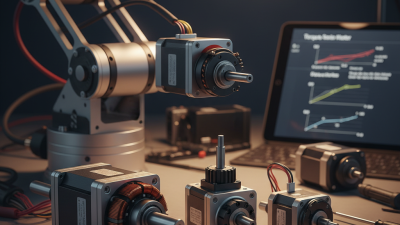
Brushless motors have revolutionized various industries, making them vital for projects requiring efficiency and precision. These motors rely on electromagnetic principles to operate without brushes, resulting in less wear and tear. As a result, longevity and performance are significantly improved compared to traditional motors.
When selecting a brushless motor, knowing your project's needs is crucial. Different motors offer varied torque, speed, and efficiency. Balancing these factors can be challenging, and making the right choice requires expertise. Therefore, having reliable reviews and comparisons is essential for optimal decision-making.
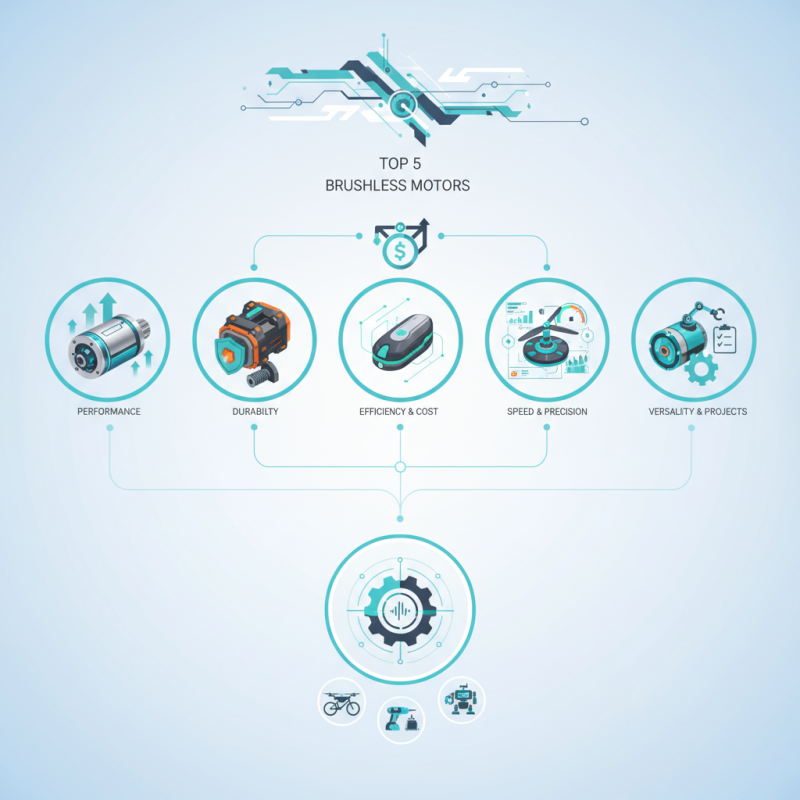
In this article, we will explore the top five brushless motors that will meet the demands of your next project. Each option will be evaluated based on performance, durability, and cost. This comprehensive approach ensures that you can find the perfect brushless motor tailored to your requirements.
Understanding Brushless Motors: Features and Benefits
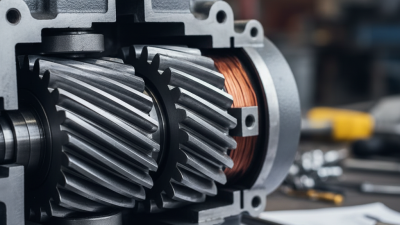
Brushless motors are widely recognized for their efficiency and reliability in various applications. They operate without brushes, which reduces friction and wear. This design leads to longer lifespans and lower maintenance needs compared to traditional brushed motors. The absence of brushes also results in quieter operation, a significant advantage in projects requiring precision.
One key feature of brushless motors is their ability to provide high torque at low speeds. This is important for applications like robotics and drones, where control is crucial. However, users must consider the complexity of the necessary electronic speed controllers (ESC). The setup can be daunting for beginners, potentially leading to installation errors.
Another benefit is energy efficiency. Brushless motors convert a higher percentage of electrical energy into mechanical energy, making them ideal for battery-operated devices. This results in longer operational times, reducing the need for frequent recharging. Nonetheless, their initial cost can be higher than traditional motors, which may require careful budgeting for projects. Understanding these aspects helps in making informed decisions when selecting the right brushless motor for a project.
Factors to Consider When Choosing a Brushless Motor
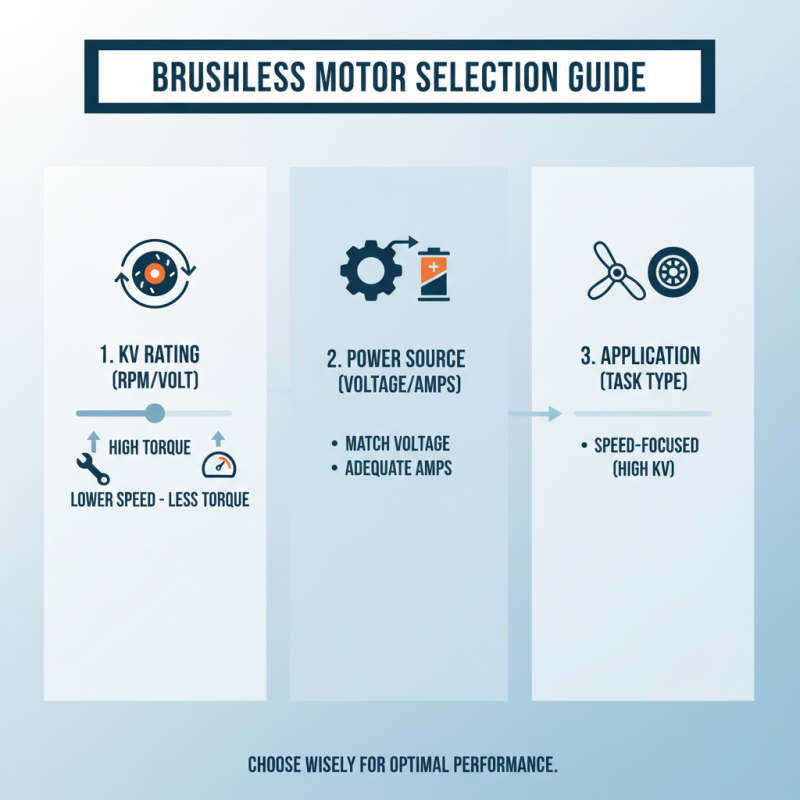
When selecting a brushless motor for your project, several factors come into play. First, consider the motor's KV rating, which signifies its RPM per volt. A higher KV means faster speeds but can result in less torque. Aim for a balanced KV value based on your application. Data shows that motors with lower KV ratings often excel in torque delivery, making them ideal for heavy-duty tasks.
Another critical aspect is the motor efficiency. According to industry reports, brushless motors achieve efficiencies of 85-95%. Higher efficiency translates to less heat generation and extended operational life. Use motors made from high-quality materials to ensure durability.
**Tip:** Always check the thermal characteristics of a motor. If it runs too hot, it may indicate inefficiencies.
Weight can also influence your choice. Lighter motors facilitate faster acceleration, while heavier ones may provide better stability. However, the weight should not outweigh motor performance needs.
**Tip:** Keep a balance between weight and power. Overloading may cause performance to suffer.
Lastly, consider the ease of integration into your design. Some motors come with extensive mounting options or wiring configurations. These details can significantly reduce assembly time and complexity. Proper research often marks the difference between success and frustration in mechanical projects.
Top 5 Brushless Motors: Overview and Specifications
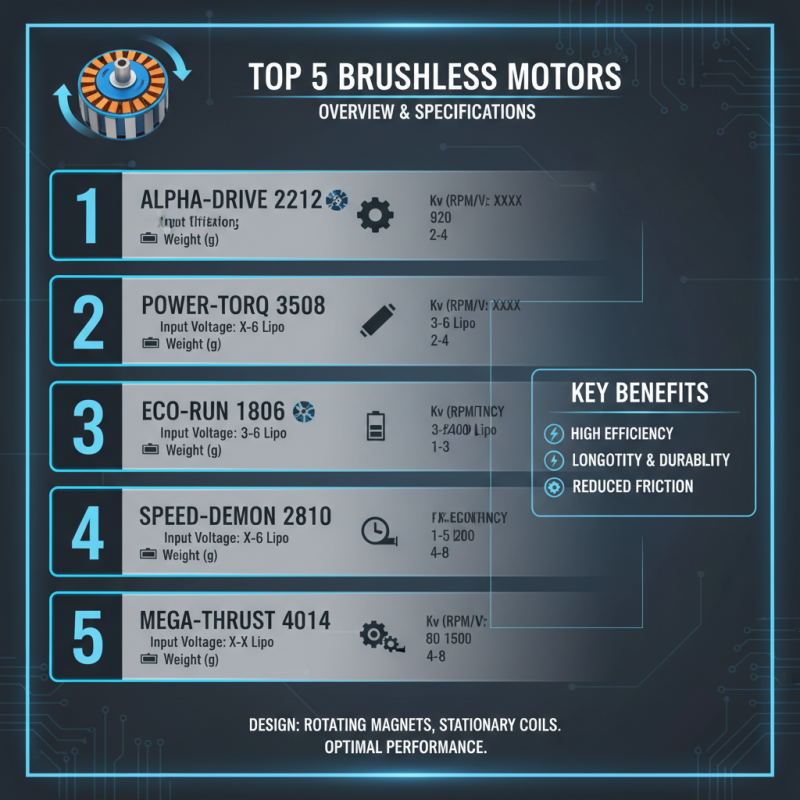
When selecting brushless motors for your projects, understanding specifications is crucial. Brushless motors offer efficiency and longevity. They consist of rotating magnets and stationary coils. This design reduces friction and improves performance.
Key specifications include voltage ratings, RPM, and torque. Voltage directly impacts performance and compatibility. A higher RPM often results in faster action. Torque determines how much power the motor can produce. It's essential to match motor specifications with your project’s requirements. For example, lighter applications may need lower torque while heavier setups require robust motors.
Consider the mounting options and size as well. Some motors fit well in compact spaces, while others may not. Look for factors like heat dissipation as well. Poor heat management can reduce motor lifespan. Reflecting on your project’s needs can lead to better choices. It's easy to overlook minor details, yet they can significantly affect overall performance.
Comparing Performance: Which Brushless Motor is Right for You?
When selecting a brushless motor for your next project, performance metrics are crucial. Brushless motors are known for their efficiency and longevity. A recent industry report indicated that brushless motors can achieve up to 90% efficiency, significantly reducing energy consumption. This performance translates into more power and less heat generation, both vital in applications where space and thermal management are concerns.
However, not all brushless motors perform equally. Key factors include size, weight, and torque. For example, a lightweight motor with high torque can enhance maneuverability in drones, while a heavier one might better suit stationary applications. The right choice often depends on specific use cases. Some projects may require high RPMs, while others prioritize low-end torque.
Examining customer reviews reveals varied feedback on motor performance, pointing out that inconsistency in output can occur. While many users praise the longevity of brushless motors, others have reported occasional discrepancies in expected torque. These insights reveal that while brushless motors are efficient, it's essential to evaluate individual needs carefully, considering the full scope of each project's requirements and challenges.
Real-World Applications: Where to Use Brushless Motors
Brushless motors are becoming essential in various industries. Their efficiency and durability make them ideal for a broad range of applications. Robotics is one significant area where brushless motors shine. They power precision mechanisms and allow for smooth, accurate movements. Designers must choose the right motor for optimal performance.
In the automotive field, brushless motors are used in electric vehicles. They provide high torque and extend battery life. However, integrating these motors can be challenging. Engineers must consider weight, size, and control systems. Each project demands careful planning to maximize efficiency.
Drones also utilize brushless motors extensively. They require lightweight components to achieve flight. The responsiveness of brushless motors allows for better maneuverability and stability. Yet, issues like heat dissipation need attention. Proper cooling solutions are vital for sustained performance. Exploring these factors leads to innovative designs that can push boundaries.
Top 5 Best Brushless Motors for Your Next Project
This chart displays the efficiency of the top 5 brushless motors based on RPM and torque ratings. These motors are widely used in various applications such as drones, electric vehicles, and robotics.