Top Benefits of Using Step Motors in Modern Technology?
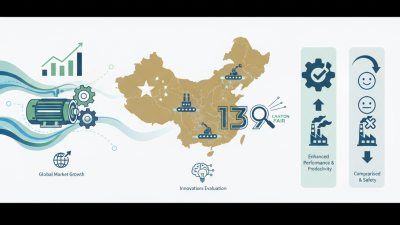
The rise of Step Motors in modern technology is undeniable. According to a recent report by MarketsandMarkets, the global stepper motor market is projected to reach $3.45 billion by 2027, with a CAGR of 6.3%. This growth reflects the increasing demand for precision control in various applications, ranging from robotics to consumer electronics.
Dr. Emily Chan, a leading expert in motor technologies, emphasizes the importance of Step Motors. She states, “Step Motors enable precise movement and are crucial for applications that require high accuracy.” This level of precision is essential in industries like manufacturing, where even minor inaccuracies can lead to significant losses. As technology advances, the advantages of using Step Motors become even more apparent.
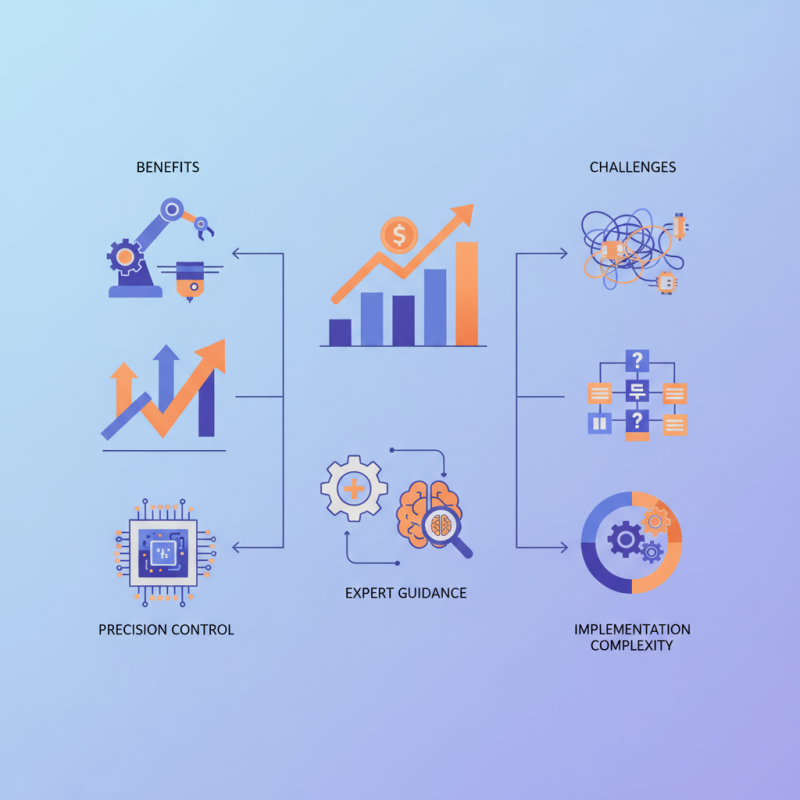
Despite these benefits, it's important to acknowledge the challenges. For instance, drivers and control systems for Step Motors can add complexity. Users must learn to navigate these systems effectively. Therefore, while the advantages are clear, the journey to implementation requires careful consideration and expert guidance.
Introduction to Step Motors and Their Functionality
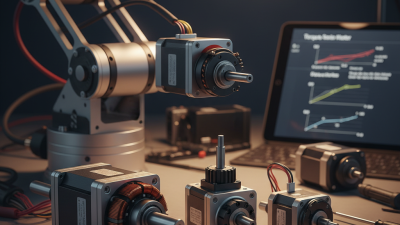
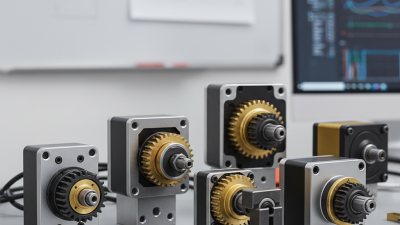
Step motors, also known as stepping motors, play a vital role in the realm of modern technology. These devices convert electrical energy into precise mechanical movements. They operate through a series of discrete steps, making them suitable for numerous applications that require accurate positioning. Each step represents a specific angle of rotation, allowing for fine control over motion. This precision is crucial in fields like robotics and computer-controlled machinery.
The functionality of step motors lies in their ability to achieve repeatable and accurate movements. They are typically used in 3D printers, CNC machines, and other automation systems. Step motors can hold their position without needing continuous power. This feature enhances energy efficiency, though their holding torque may lead to heat generation. Users must consider this when designing systems.
Many engineers find that while step motors are versatile, they also come with limitations. For example, they can lose steps under high load, resulting in decreased accuracy. Furthermore, the complexity of the control system can be daunting for some. Understanding how to manage these challenges is essential for harnessing the full potential of step motors in technological advancements.
Key Advantages of Step Motors in Precision Control
Step motors are increasingly vital in modern technology. Their precision control capabilities offer numerous advantages across various applications. In industries like robotics and automation, step motors facilitate accurate positioning. According to a recent industry report by Research and Markets, the global step motor market is expected to reach $4 billion by 2025, driven by demand for precision in manufacturing.
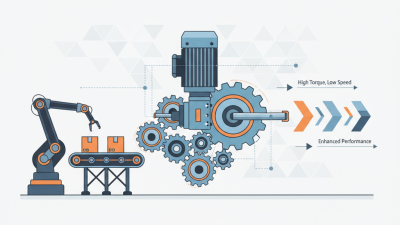
These motors provide excellent torque at low speeds, making them ideal for tasks requiring stable motion. They allow fine control of movement, which is crucial in CNC machinery and 3D printing. Another report from the International Journal of Advanced Manufacturing Technology highlights that about 70% of automation systems utilize step motors for their reliability in maintaining precise control. However, they can be sensitive to load variations and may require periodic recalibration, which can impact overall efficiency.
Moreover, step motors operate without feedback mechanisms. This can lead to missed steps if the load exceeds the motor's capacity. The challenge lies in balancing the motor's capabilities with application requirements. Despite these imperfections, their advantages in precision control remain significant. Industries must continually assess whether step motors meet their stringent performance needs. Adapting to these challenges can yield impressive results in automated tasks.
Top Benefits of Using Step Motors in Modern Technology
Applications of Step Motors in Modern Industrial Automation
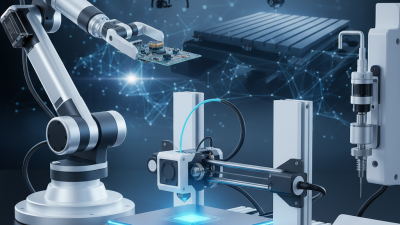
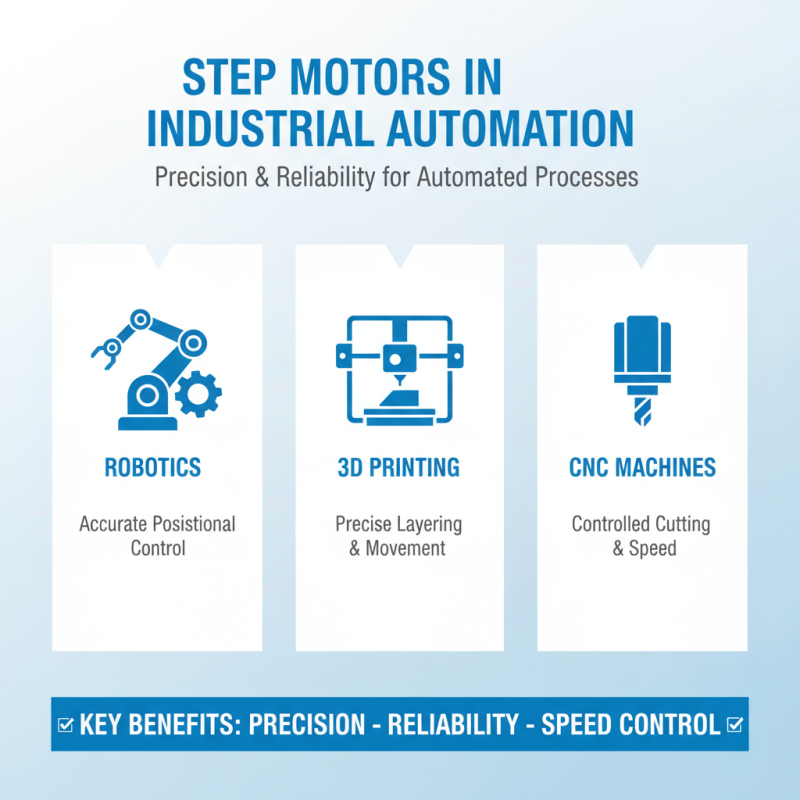
Step motors are increasingly important in modern industrial automation. Their precision and reliability make them a favorite in various applications. They are commonly used in robotics, 3D printing, and CNC machines. These motors provide accurate control over position and speed, which is crucial for automated processes.
One notable application is in robotics. Here, step motors allow for precise movements, essential for tasks requiring accuracy. This capability reduces errors in production lines. It can be noted, however, that step motors are less efficient at higher speeds. This limitation requires consideration when designing automated systems.
Tips: Choosing the right step motor is critical. Understand the torque requirements for your application. Testing different motors can yield the best results.
In addition to robotics, step motors play a role in 3D printing. They control the print head and ensure layers are placed accurately. This contributes to higher quality prints. Nonetheless, step motors can sometimes lose steps. Regular maintenance and software updates are necessary to prevent this issue.
Tips: Consider software optimization. Proper calibration can enhance motor performance and prevent misalignment, leading to better results in your automation projects.
Comparative Analysis: Step Motors vs. Traditional Motors
Step motors and traditional motors serve distinct roles in modern technology. Step motors offer precise control and positioning. This makes them ideal for applications like 3D printers and CNC machines. Traditional motors, however, often excel in high-speed applications where continuous rotation is essential. They typically provide higher torque at speed, but lack the precision of step motors.
One significant difference lies in their construction. Step motors have multiple coils that create distinct steps. Each step corresponds to an angular movement, allowing for exact control. Traditional motors use a rotating magnetic field to generate continuous movement. This difference impacts their responsiveness. Step motors can stall easily under heavy loads. Traditional motors are often more resilient in demanding scenarios.
Both types of motors have their advantages. Depending on the application, one may outperform the other. The choice comes down to specific needs. Understanding the nuances can lead to better decisions in motor selection. Reflecting on these factors is essential for engineers and designers. The right motor can enhance system performance or, conversely, lead to inefficiencies.
Future Trends and Innovations in Step Motor Technology
The landscape of step motor technology is rapidly evolving. Advances in control algorithms are making these motors more precise and efficient. Future applications will likely utilize artificial intelligence to enhance their performance. Smart systems can learn and adapt, leading to reduced energy consumption and increased reliability.
In addition, miniaturization is a key trend. As devices become smaller, so must the components that power them. New materials are being explored to create lighter, more compact step motors. This could open up possibilities for wearable technology and portable devices. However, challenges remain in balancing power and size.
Another area for innovation is wireless control systems. Traditional wired connections limit flexibility. Developing reliable wireless communication can empower step motors in dynamic environments. As exciting as these trends are, they also bring uncertainty. Engineers must address potential interference issues and ensure robustness in varying conditions. Each improvement offers a glimpse into a more efficient and intelligent future for step motors.
Top Benefits of Using Step Motors in Modern Technology
| Benefit |
Description |
Application Areas |
| High Precision |
Step motors provide precise control of position and speed, ideal for tasks requiring accurate movements. |
3D Printing, CNC Machining |
| Ease of Control |
They can be easily controlled by pulse signals, making them suitable for integration with digital systems. |
Robotics, Automation Systems |
| Reliability |
Step motors have a simple construction leading to high reliability and low maintenance. |
Medical Devices, Industrial Equipment |
| Wide Range of Torque |
Step motors can provide high torque at low speeds, which is beneficial for various applications. |
Conveyor Systems, Packaging Machines |
| Cost-Effectiveness |
Step motors are generally more affordable compared to servo motors, making them a budget-friendly choice. |
Consumer Electronics, Model Engineering |