2026 How to Choose the Right Metal Gear Motor for Your Needs?
In the world of automation, the Metal Gear Motor stands out for its efficiency and precision. A report by Allied Market Research suggests that the global gear motor market is projected to reach $34.42 billion by 2026, highlighting the growing demand. Choosing the right Metal Gear Motor is crucial for optimizing performance in various applications, from robotics to aerospace.
Selecting the ideal motor involves understanding specifications like torque, speed, and size. It’s essential to evaluate how these factors align with your specific needs. Manufacturers often provide extensive data on their products, yet users frequently face challenges in decision-making. Feedback from industry professionals can help clarify these complexities.
Despite abundant options, not all Metal Gear Motors are created equal. Issues such as operational noise or efficiency can arise if the wrong motor is chosen. It’s vital to reflect on previous experiences to avoid common mistakes. Customers need to weigh factors like cost against performance to find the best fit.
Understanding the Basics of Metal Gear Motors
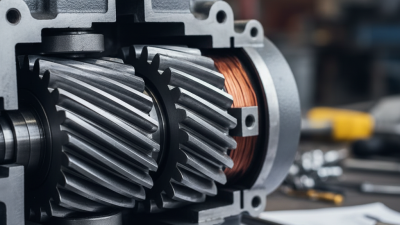
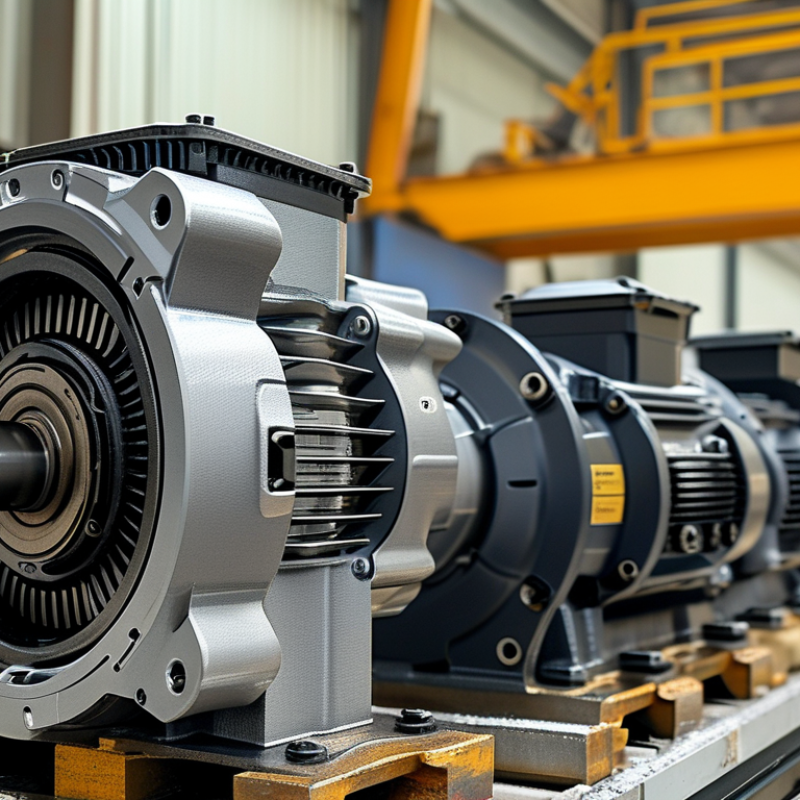
Metal gear motors are essential components in many applications. Their design combines a motor and a gear system, optimizing torque and speed. Understanding their basic concepts can help you make informed decisions.
When selecting a metal gear motor, consider the load requirements and expected operational environment. The gear ratio plays a critical role, determining output speed and torque. Higher ratios provide more torque but lower speeds. Conversely, lower ratios allow for faster speeds but with reduced torque. Matching these parameters to your needs is crucial.
Durability is another vital factor. Metal gear motors are typically more robust than plastic ones. However, they still require careful handling. Be mindful of heat dissipation, as excessive heat can damage the motor. Improper choices may lead to inefficiencies or motor failure. Thus, ensuring the right specifications and operational practices is essential for optimal performance and longevity.
Identifying Your Application Requirements for Gear Motors
When selecting a metal gear motor, it’s crucial to clearly define your application requirements. Start by considering the weight and dimensions of the load you need to move. This will impact the torque requirements. Evaluate how fast you need to reach the desired speed. Speed specifications greatly influence the type of motor you should choose. Accuracy in these measurements will help in obtaining the right motor for your application.
Another important factor is the operating environment. Ensure the motor can withstand conditions such as temperature, humidity, and exposure to chemicals. If the application will be outdoors, look for options that offer weatherproof features. Noise level can also be a concern, especially in sensitive environments. Understanding these aspects will help narrow down your selection.
You may find it challenging to balance all these needs. Each application might require trade-offs. For example, a more robust motor might provide higher torque but could be heavier and more expensive. These nuances highlight the importance of careful evaluation. Reflecting on your priorities will lead you closer to an ideal choice. The goal is to align your requirements with the capabilities of the gear motor effectively.
2026 How to Choose the Right Metal Gear Motor for Your Needs?
| Parameter |
Description |
Example Value |
| Torque |
The rotational force output of the motor |
0.5 - 10 Nm |
| Voltage |
The electrical supply the motor requires |
12V, 24V, 48V |
| Speed |
The rotational speed of the motor output |
100 - 3000 RPM |
| Gear Ratio |
The ratio of input speed to output speed |
1:5 - 1:100 |
| Efficiency |
The ratio of useful work output to total energy input |
75% - 90% |
| Operating Temperature |
The temperature range in which the motor can operate |
-20°C to +60°C |
| Mounting Style |
The method by which the motor is attached to the application |
Flange, Foot, Shaft |
Evaluating Motor Specifications: Torque, Speed, and Power
When selecting a metal gear motor, evaluating motor specifications is crucial. Torque, speed, and power define a motor's efficiency and suitability for specific tasks.
Torque measures the rotational force a motor produces. Higher torque is essential for applications that require heavy lifting or overcoming resistance.
It’s vital to match the torque with the load requirements. If you underestimate the torque needed, the motor may stall or fail.
Speed is another key specification. It dictates how quickly a motor can operate.
Too high a speed may lead to wear and tear, while too low can hinder performance.
Consider the application's speed requirements carefully. This can often lead to tough decisions, especially when balancing speed with torque.
Balancing these factors produces optimal performance, yet achieving the perfect combination might take testing and iteration.
Power rating complements torque and speed. It provides insights into the motor's efficiency.
An efficient motor conserves energy while delivering consistent performance.
However, relying solely on power ratings can be misleading without considering the motor's application context.
Real-world tests can reveal disparities between rated and actual performance.
This evaluation requires an understanding of both specifications and your unique operational needs.
Each application poses different challenges, making the right choice complex and reflective.
Choosing the Right Gear Ratio for Optimal Performance
Choosing the right gear ratio is crucial for maximizing the performance of a metal gear motor. The gear ratio determines how much torque is increased at the expense of speed. A low gear ratio offers more torque, which is ideal for heavy lifting tasks. In contrast, a high gear ratio will enable faster speeds, suitable for applications requiring quick movements. Carefully assess the requirements of your project before making a decision.
Consider the load you'll be working with. If it’s heavy, a lower ratio is beneficial. It can be difficult to predict the exact performance without testing. Overshooting your needs can lead to inefficiencies. Testing different setups may require time and resources. Keep in mind that the application environment also plays a significant role. Factors like temperature and dust can affect performance over time.
When selecting a gear motor, reflect on both your short-term and long-term goals. A poor choice can lead to wasted energy and wear. Sometimes, it's better to opt for a versatile gear ratio that can adapt to various tasks. Experience can guide you, but you may still need to iterate to find the perfect match. Don't hesitate to rethink your selections based on real-world results.
Comparing Different Types of Metal Gear Motors on the Market
When selecting a metal gear motor, understanding the various types available is crucial. Electric metal gear motors dominate the market, often praised for their precision and reliability. According to a recent industry report, these motors are favored in automation due to their efficiency. They provide consistent torque and speed, making them ideal for robotics and conveyor systems.
In contrast, pneumatic and hydraulic gear motors are also popular but serve different applications. Pneumatic motors are lightweight, offering high speed but lower torque. They are often used in tools and light machinery. Hydraulic motors, while powerful, require more maintenance and specific conditions, which can cloud decision-making. Industry data suggests that around 30% of buyers lean towards hydraulic solutions despite these concerns, mainly due to their high torque output.
Cost considerations cannot be ignored either. The price difference between these motor types can be significant. For example, electric motors may represent a larger upfront investment, with operational efficiency reducing total costs in the long run. Conversely, pneumatic motors may be cheaper initially but can incur higher costs over time. Indeed, navigating these options remains challenging, and weighing the pros and cons of each type is essential for making an informed choice.